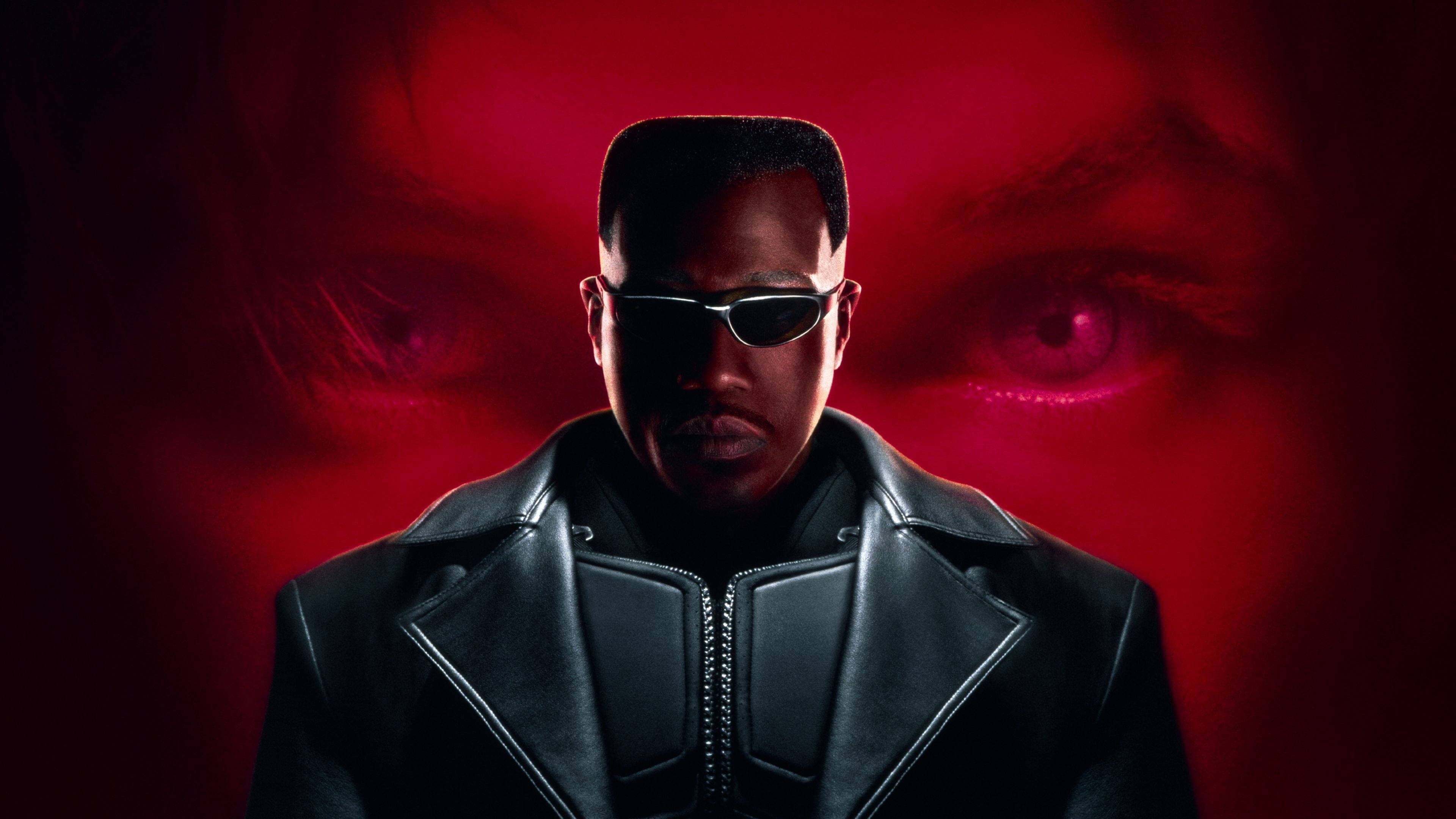
Bassam Tariq is opening up about the lessons he carried away from a blockbuster project that never reached the screen. The filmmaker, who spent roughly two years developing a new take on Blade for Marvel Studios before departing the project in 2022, says the experience ultimately sharpened his sense of what he is and isn't willing to sacrifice as a director. His conclusion, delivered bluntly: life is too short to make bad films.
Tariq reflected on the stalled reboot during a wide-ranging conversation about his career, describing the Marvel chapter as formative even though no footage ever materialized. He was attached to direct the film in 2021, with Mahershala Ali set to headline as the vampire hunter, and worked on the project for about two years before stepping away, citing shifting production timelines. The film never went before cameras and remains unproduced.
A Hard-Won Perspective on Creative Priorities
For Tariq, the chief takeaway wasn't bitterness but clarity. He said the long development process forced him to confront how much of a filmmaker's life gets consumed by a single project, and what that investment should yield. The answer, in his view, is work that matters to him - not merely work that gets made. That conviction, he suggested, now informs how he chooses projects and how quickly he is willing to walk away from ones that don't align with his instincts.
The director's comments land at an interesting moment for superhero cinema, where audience fatigue and ballooning budgets have prompted studios to reassess which properties get greenlit. Blade, once among Marvel's most anticipated announced titles, became a high-profile example of that churn. Tariq's candor is unusual for a filmmaker discussing a major studio collaboration, and it underscores the growing willingness among directors to speak openly about the creative compromises such projects can demand.
The Character That Started It All
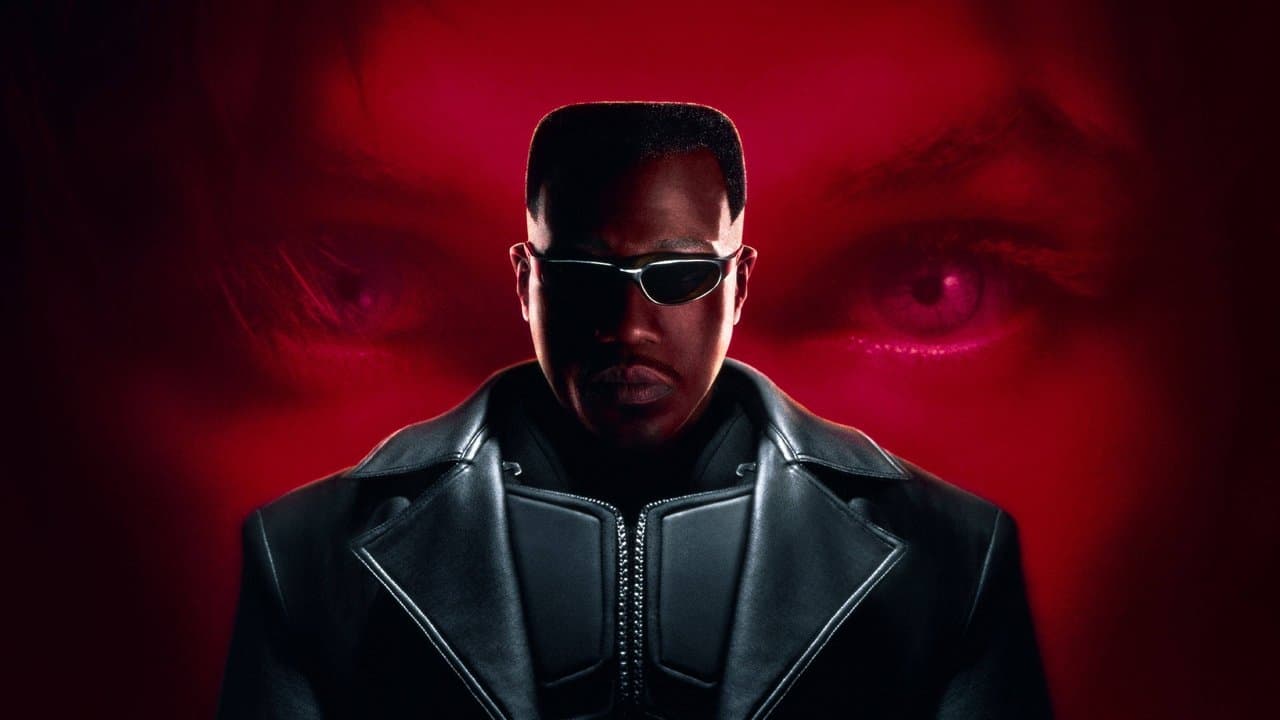
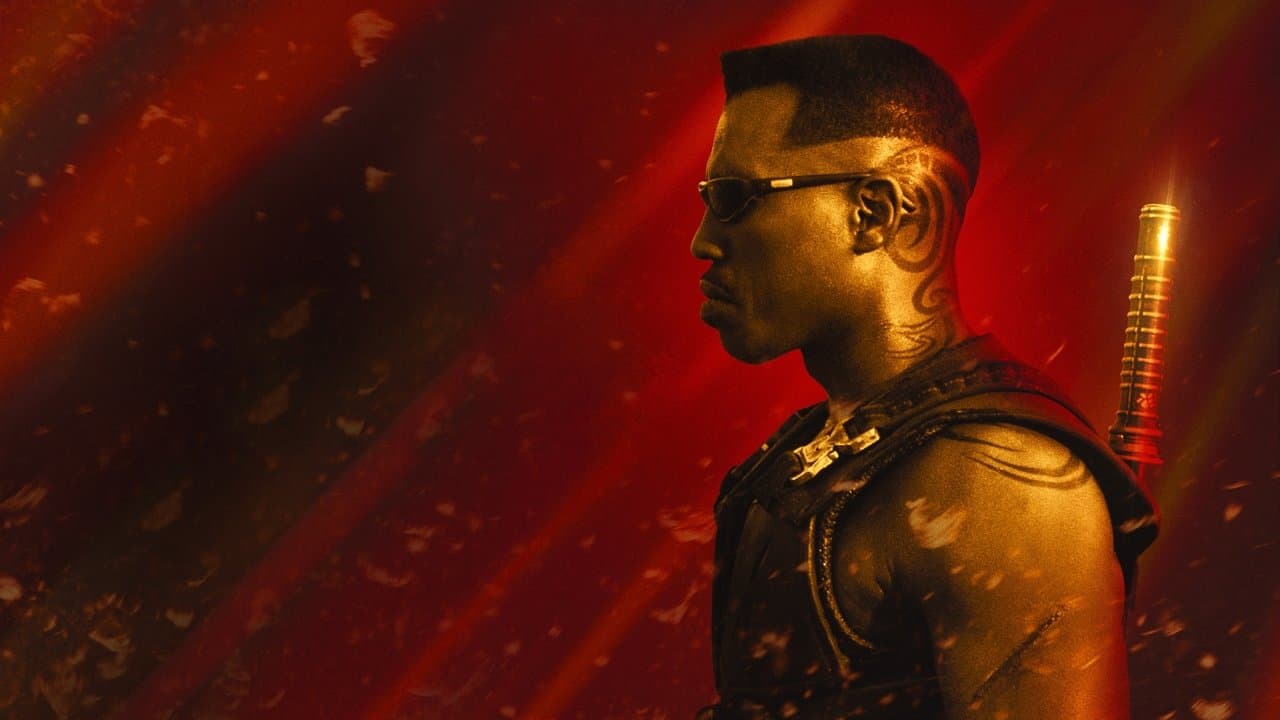
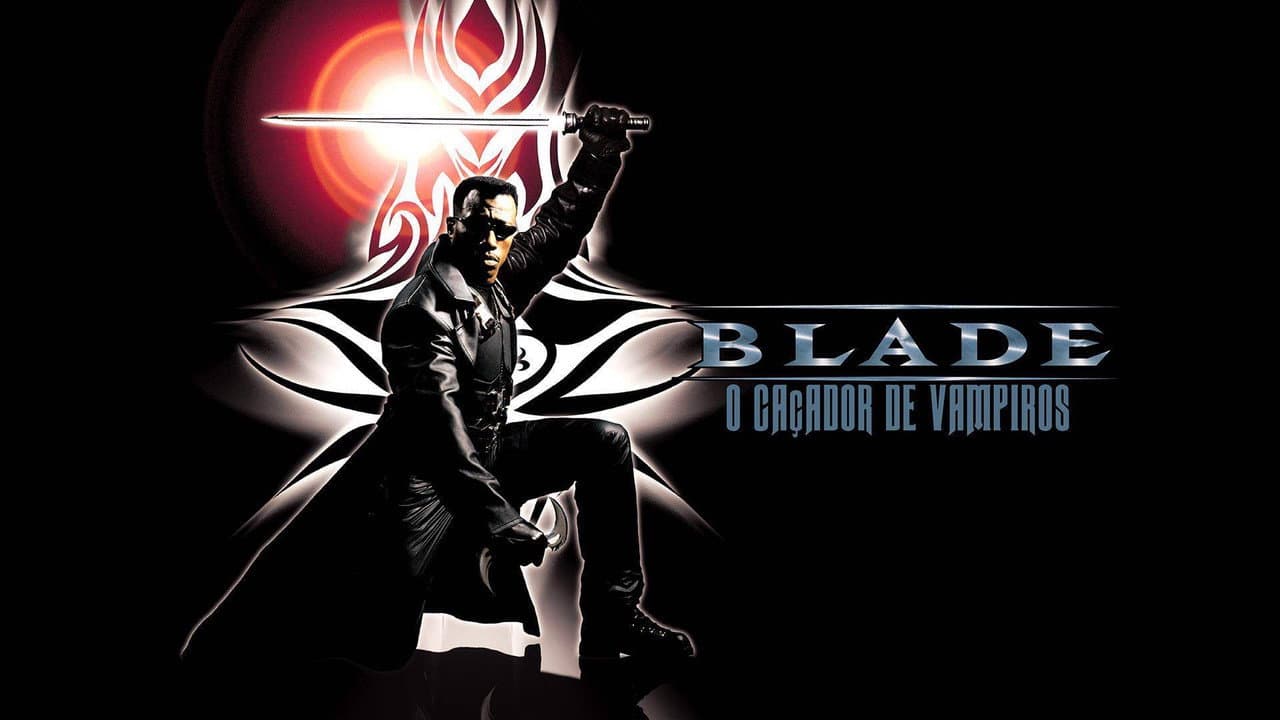
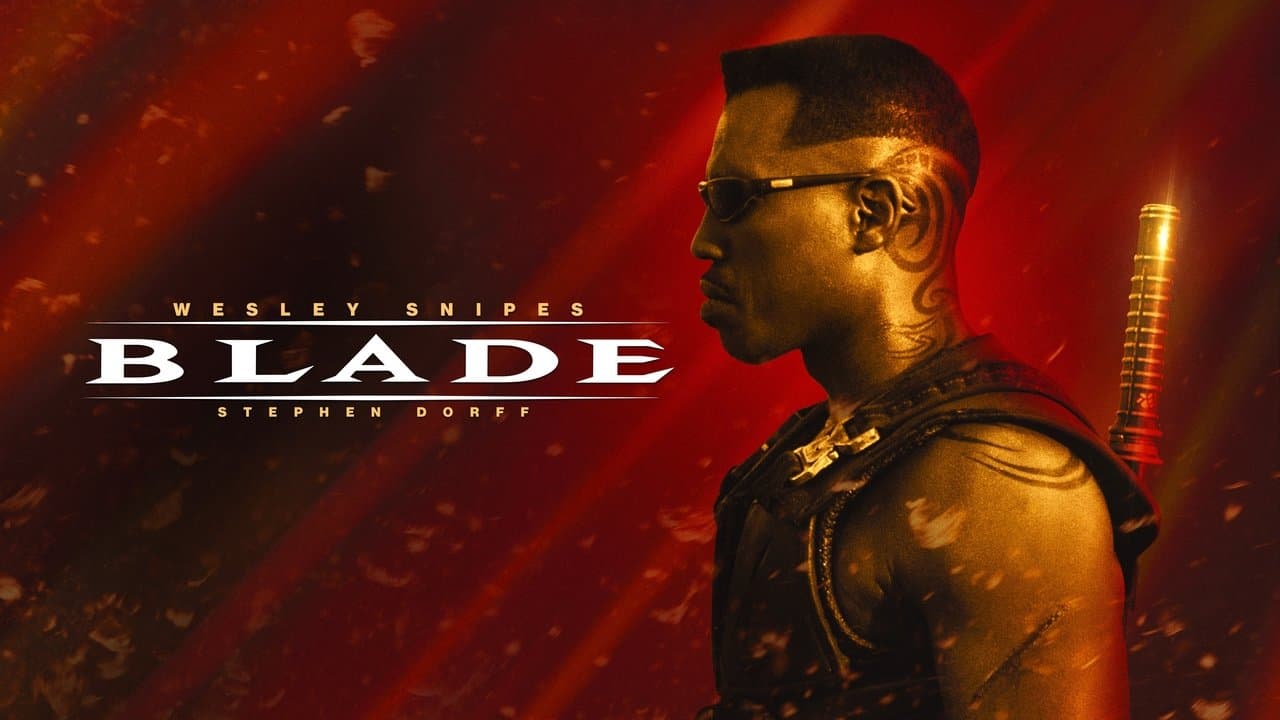
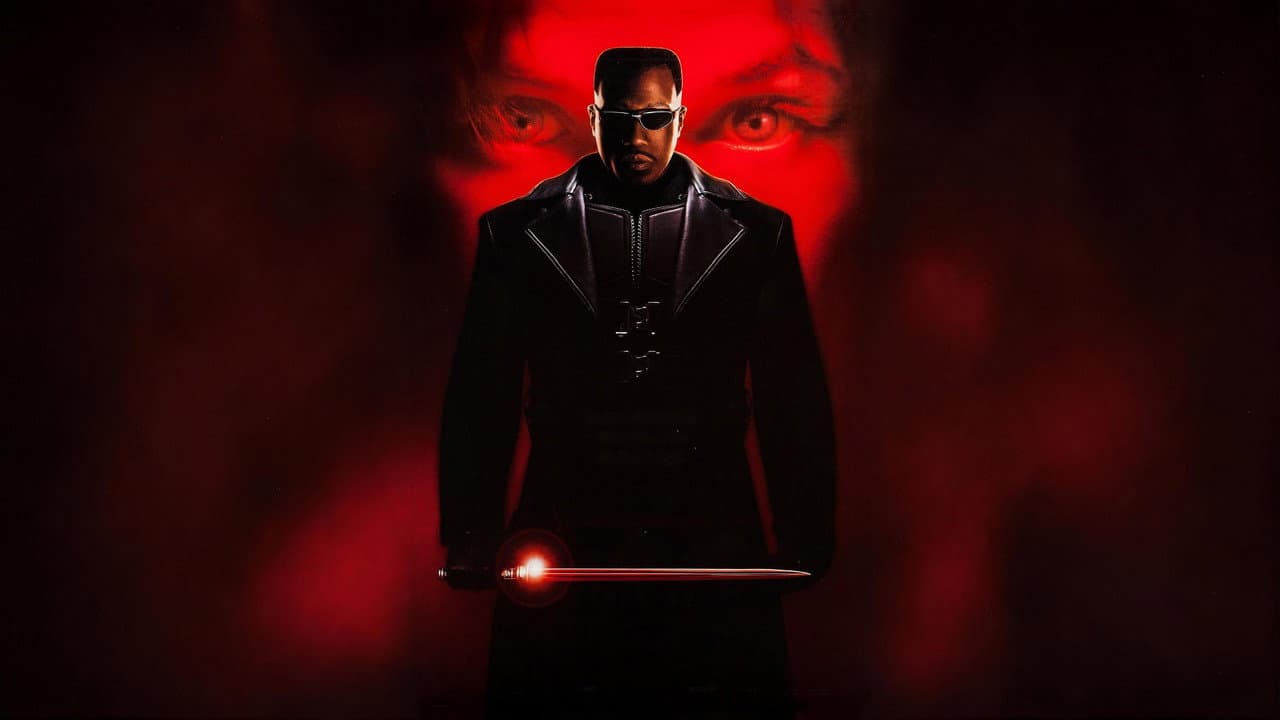
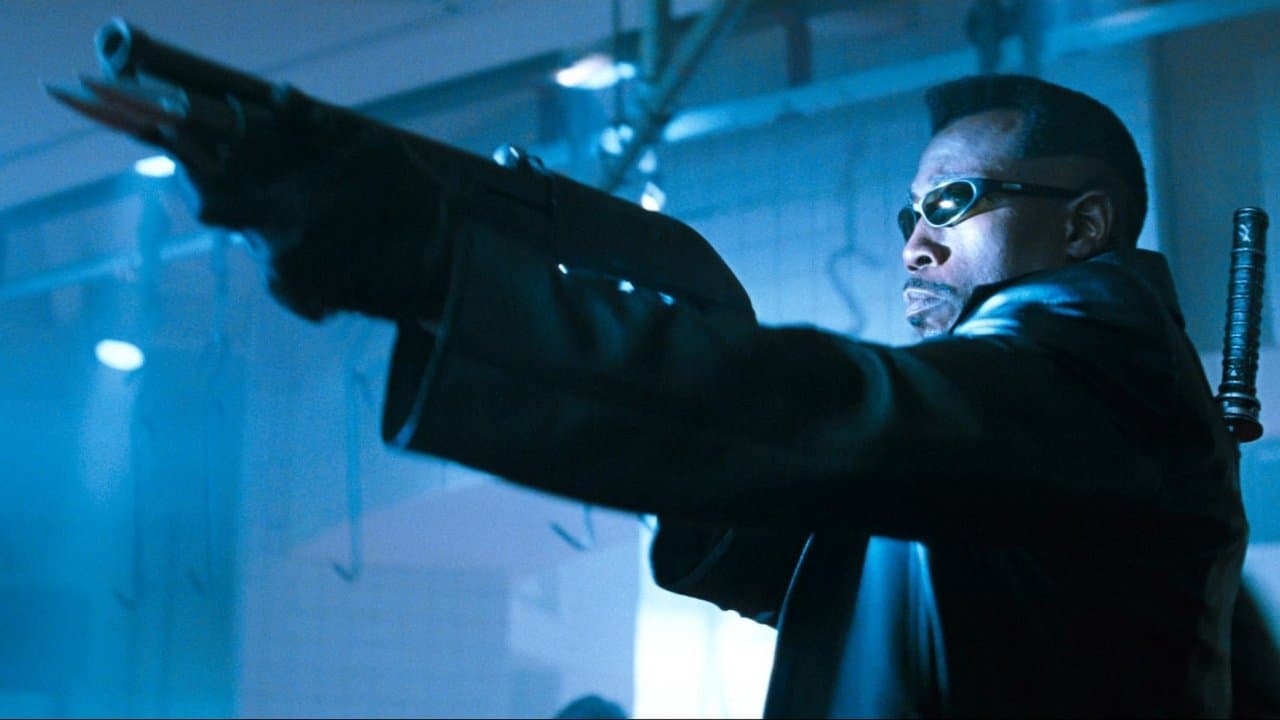
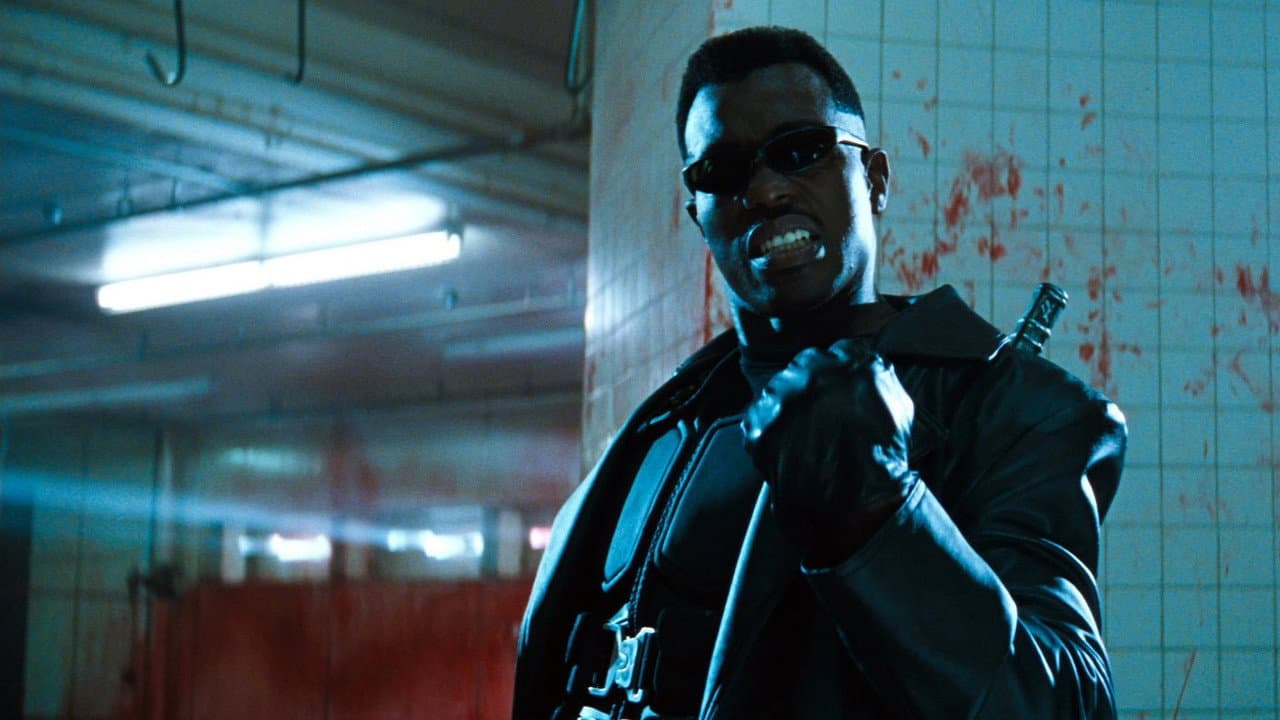
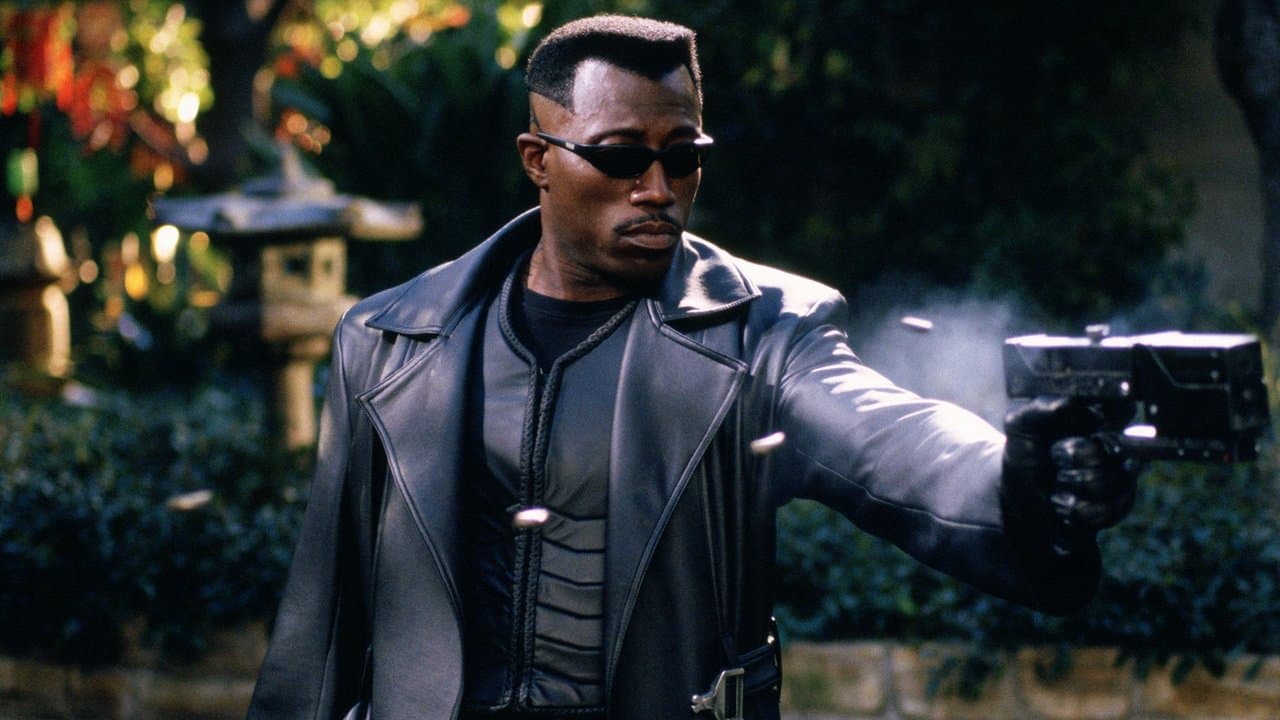
The Blade that Tariq was reimagining carries a long and influential screen history. The 1998 film, directed by Stephen Norrington and released on August 21, 1998, introduced moviegoers to the Daywalker - a half-vampire, half-mortal man who becomes the protector of humanity against an underground army of vampires. Wesley Snipes led the cast as Blade, with N'Bushe Wright as Karen, Stephen Dorff as Deacon Frost, Kris Kristofferson as Whistler, Donal Logue as Quinn, Udo Kier as Dragonetti, Arly Jover as Mercury, and Traci Lords as Racquel.
The original remains a sturdy performer with audiences and critics alike. It holds a 7.1/10 rating on IMDb and a 6.859/10 on TMDb - respectable marks for a genre entry of its era, and evidence that the character's appeal has endured for nearly three decades. The film runs 121 minutes and is classified as horror and action, a hybrid that helped redefine what a comic-book adaptation could look like on screen.
What the Abandoned Project Says About the Business
Tariq's departure was one of several creative shake-ups that kept the reboot in limbo for years, and the project never assembled a finished film. For a filmmaker, that stretch of development without a release can be difficult to square - time spent that leaves no visible trace. Yet Tariq frames it as tuition rather than loss, a period that taught him to guard his time and to treat his own taste as non-negotiable.
His remark also invites a broader question about the studio development pipeline, where directors can spend years attached to films that ultimately dissolve. The Blade saga has become a case study in that dynamic: a marquee property, an Oscar-winning lead attached, a rising director at the helm - and still, no movie. Tariq's takeaway is that a director's finite career deserves better than indefinite patience, a sentiment likely to resonate with peers who have logged similar years on unproduced projects.
What Comes Next
Tariq did not close the door on large-scale filmmaking, and nothing in his comments suggests a retreat from ambitious work. Instead, he described a more selective philosophy - one in which the question isn't whether a project can get made, but whether it's worth the years it will consume. Audiences will get to judge his next choices on their own merits, free of the Marvel baggage that preceded them.
For now, Blade itself sits dormant at Marvel, while the 1998 original remains readily available to viewers who want to revisit the character at his cinematic peak. Whether the studio eventually revives the reboot with another filmmaker remains unclear. What is clear is that one director has emerged from the experience with his priorities intact, and with a message for anyone considering a similar leap: make something worth the time, because the time doesn't come back.
Source: The Hollywood Reporter