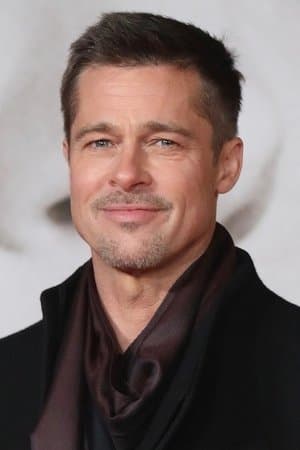
Brad Pitt has offered his account of why Leonardo DiCaprio never turned up in the planned "Cliff Booth" film, finally addressing a cameo that fans had expected to be one of the project's marquee surprises. The actor, who has spent years developing a follow-up centered on the stunt double he first played in "Once Upon a Time in Hollywood," said the DiCaprio appearance was discussed seriously and then quietly dissolved, leaving a gap in a story that had been built with the possibility of it in mind.
Pitt's explanation, as he tells it, is less about any falling out than about timing and the way film schedules collide. DiCaprio, he suggested, was genuinely interested, and the two actors talked through ideas for how his character could re-enter Booth's world without the whole thing feeling like a stunt. But the window kept closing, and the longer the film's development stretched, the less the cameo fit the shape the script was taking.
A Reunion That Almost Was
The irony, Pitt noted, is that the idea was never far from anyone's mind. The first film ended on a note of friendship between Booth and DiCaprio's Rick Dalton, and audiences carried that relationship away with them. When word spread that a standalone project about Booth was in the works, speculation about a Dalton return became almost automatic. Pitt said he understood the appeal, and that he was as drawn to it as anyone.
According to Pitt, the conversations were real enough that both actors gave the notion genuine thought. They traded thoughts on what might bring Dalton back into the frame in a way that carried emotional weight rather than simply nodding at the original film. At one stage, Pitt said, it looked like the schedules might actually line up.
They didn't. DiCaprio's commitments elsewhere kept shifting, and the Booth project's own path forward kept changing with them. Pitt described the process as a slow drift rather than a single dramatic collapse, the kind of quiet unraveling that happens constantly in an industry where calendars are negotiated months and sometimes years ahead.
Why a Bigger Role Was Never on the Table
Pitt was careful to frame the missed appearance as a cameo and nothing more. This was never a case of DiCaprio being lined up to co-lead a second film, he said, and that distinction matters when assessing why it fell apart. A small part has to be slotted into a narrow window, often at short notice and around other productions. The bigger the actor, the trickier that arithmetic becomes.
He also acknowledged that a Dalton cameo would have drawn enormous attention, which cut both ways. On one hand, it would have been a gift to audiences who loved the original pairing. On the other, Pitt said, he and the filmmakers were wary of letting a surprise guest turn into the story itself. A film about Booth deserved to stand on its own, he argued, and the longer the project developed, the more that conviction took hold.
There is a wistfulness in the way Pitt describes it. He didn't pretend the loss was nothing. He also didn't sound like a man carrying a grudge. The tone was closer to a shrug than a grievance, the explanation of someone who has watched many promising arrangements come undone and has stopped treating each one as a tragedy.
What It Says About the Booth Project
The comments give a rare window into the stop-start life of a project Pitt has kept close to his chest. He has spoken about the Booth character with obvious affection, treating him as someone worth returning to rather than a role to be revisited for convenience. That attachment, by his account, is exactly why the DiCaprio question was taken seriously instead of being waved through as fan service.
Pitt didn't offer a timeline for when audiences might see the Booth film, nor did he suggest the door was permanently shut on DiCaprio appearing in some future installment. He simply described what happened and why, leaving the matter where it stands. For now, the most anticipated cameo in the project's history amounts to a conversation that almost became something, and then didn't.
Source: The Hollywood Reporter