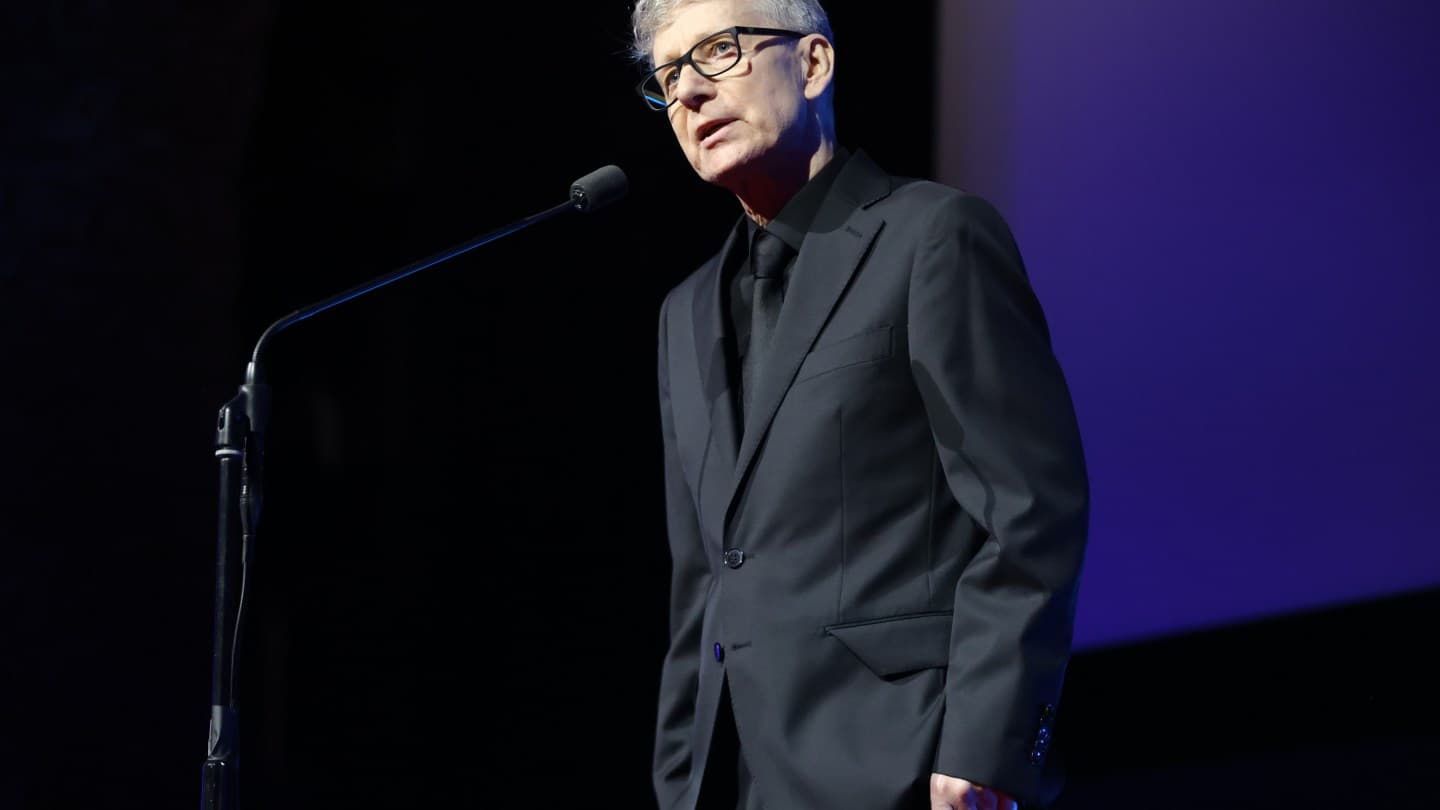
Marek Zydowicz, the founder and driving force behind the EnergaCAMERIMAGE festival, used this year's edition to deliver a pointed defense of cinematography as a creative discipline rather than a technical trade - and to weigh in on two of the industry's most debated subjects, artificial intelligence and the work of Darren Aronofsky.
Speaking during the festival, Zydowicz returned repeatedly to a conviction that has shaped the event since he established it: that the person behind the camera is an author, not merely an operator of equipment. "Cinematographers are artists, not technicians," he said, framing the statement as the principle on which the Polish festival was built and the standard against which its programming should be judged.
That argument has acquired new urgency as tools marketed as labor-saving devices push image-making further toward automation. Zydowicz addressed AI directly, describing it as a development the community must confront rather than ignore. His concern centers less on the technology itself than on what it could mean for authorship - the question of who is credited, and who is responsible, for a filmed image. For a festival whose identity rests on celebrating individual visual style, the rise of machine-generated or machine-assisted imagery cuts to the core of its mission.
A Festival Built on a Single Idea
Zydowicz founded the event in Toruń in the early 1990s, at a moment when cinematography was rarely treated as a headline subject in its own right. What began as a modest gathering has grown into one of the international calendar's most closely watched showcases for the craft, drawing leading directors of photography and the filmmakers who collaborate with them. Its competitive structure, which places cinematographers at the center of the awards conversation, reflects the founder's long-standing view that the visual author of a film deserves recognition comparable to that given to directors and writers.
Over the years the festival has expanded its scope, adding competitions for television, music videos and other forms, while maintaining its focus on the image. Zydowicz has consistently positioned the event as a place where craft and artistry are discussed on equal footing, and where cinematographers can speak about their work in their own terms.
Aronofsky and the Question of the Image
The founder also touched on Darren Aronofsky, whose films have long been associated with distinctive visual approaches and who has been a prominent figure in conversations about how cinematography shapes storytelling. Zydowicz's remarks placed Aronofsky within the broader argument about artistic intent behind the camera, using the director's body of work as an example of how visual choices carry meaning rather than simply recording action.
The reference fit the festival's habit of examining directors through the lens of their collaborations with cinematographers - a perspective that treats the image as a shared authorial act rather than a service provided to a screenplay.
An Industry Argument With Consequences
The stakes in Zydowicz's position extend beyond rhetoric. As streaming platforms and production schedules compress timelines, and as virtual production and generative tools reshape workflows, the division of labor on set is being renegotiated. If cinematographers are regarded as technicians, their role in those negotiations narrows; if they are regarded as artists, questions of credit, control and creative decision-making follow.
His comments also arrive as the industry continues to debate how AI will be used in post-production and previsualization, and whether studios will treat automated image generation as a supplement to human craft or a replacement for it. Zydowicz did not offer a prescription for regulation or policy, but his framing suggested that the answer lies in how the profession defines itself - and in whether festivals, guilds and employers treat the cinematographer as a creative partner.
For Camerimage, the argument is also a form of self-definition. The festival's competitive sections and its choice of honorees have consistently elevated visual style as a subject worthy of serious criticism, and Zydowicz's remarks served as a reminder that this editorial stance is deliberate. In a period when the tools of image-making are changing faster than the rules around them, the founder's message was less a prediction than a defense: the cinematographer's claim to authorship rests on vision, and that claim is what the festival exists to protect.
Source: The Hollywood Reporter