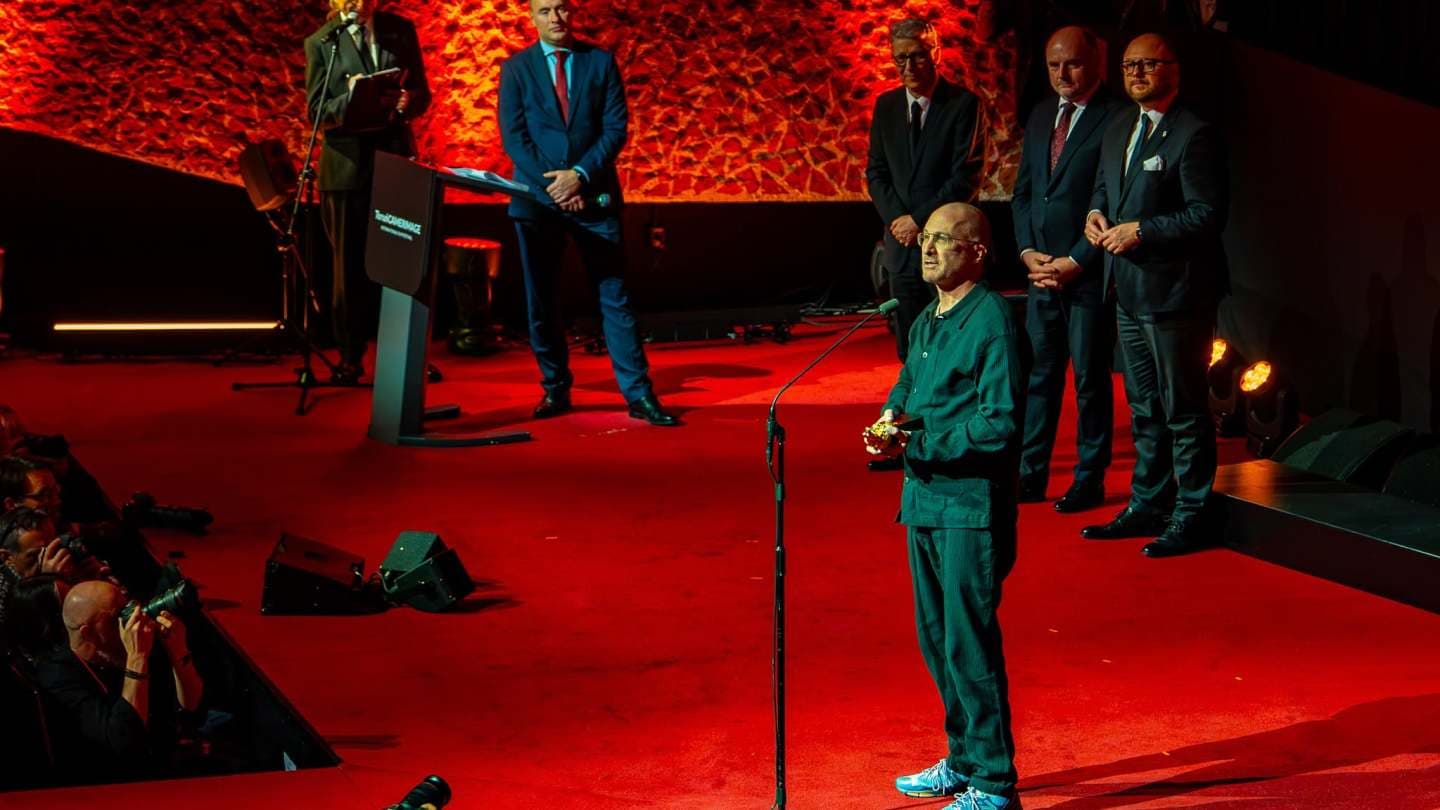
The EnergaCamerimage International Film Festival raised its curtain in Toruń, Poland, this weekend with a program that seemed determined to look both backward and forward at once. The opening ceremony paired a robot on stage with a panel on artificial intelligence and a moment of silence for Kraków, setting a tone that was equal parts technological curiosity and quiet grief. For a festival long devoted to the craft of the cinematographer, the choice of themes felt pointed: the image-makers gathered here are being asked, directly, what happens to their art when machines start making pictures too.
The robot's presence was more than a gimmick. Festival organizers have built this year's edition around questions of automation and authorship, and the opening night made clear that Camerimage intends to host the argument rather than avoid it. The AI reckoning, as the festival framed it, cuts to the core of what a director of photography does - choosing light, framing, and movement - and whether those decisions can be delegated to software trained on the work of the very people in the room.
An Industry Wrestling With Its Own Tools
Camerimage has always been a festival where technique is treated as a subject worthy of serious debate, and this year's slate extends that tradition into uncomfortable territory. Cinematographers attending the event are confronting a production landscape in which generative tools can produce convincing imagery in seconds, and in which studios are under pressure to cut costs wherever possible. The panel discussions scheduled across the week are expected to address not only the aesthetics of machine-made images but also the labor questions that come with them - credit, compensation, and the training data that underpins the technology.
The mood among attendees is hardly uniform. Some veterans have greeted the topic with skepticism, arguing that the craft's value lies in human judgment and collaboration on set, qualities no algorithm can replicate. Others have taken a more pragmatic line, suggesting that the festival's willingness to engage with AI is preferable to the industry's habit of pretending the disruption isn't happening. The presence of a robot at the opening ceremony, whatever its symbolic intent, ensured that no one in the hall could mistake the festival's position for indifference.
A Minute of Silence for Kraków
The ceremony's most somber note came with a minute of silence held for Kraków. The festival has deep ties to the city, having been founded there and built its reputation over decades as one of the world's foremost showcases for cinematography. The tribute cast a reflective mood over an evening otherwise devoted to innovation, a reminder that institutions and the places that host them carry histories that no amount of new technology can replace.
Organizers did not elaborate on the circumstances prompting the tribute during the public portion of the evening, and the silence was observed without further comment. For those in the auditorium, it served as a pause between the forward-looking program and the screenings ahead - a moment to acknowledge the city that helped make Camerimage what it is.
What Comes Next
The festival's competitive lineup and retrospective screenings will unfold over the coming days, with cinematographers from around the world presenting work that ranges from studio productions to independent features. The AI strand is woven through the schedule rather than confined to a single event, with seminars and conversations positioned alongside the films themselves. That structure reflects a festival betting that its audience wants to think about how images are made as much as it wants to watch them.
Whether the debate produces anything resembling consensus is another matter. The questions raised on opening night - about authorship, about employment, about what distinguishes a cinematographer's vision from a generated approximation - are unlikely to be settled in a week. But Camerimage has at least ensured they will be asked in a room full of the people most affected by the answers, and with a robot standing nearby as a reminder that the future has already arrived.
Source: The Hollywood Reporter