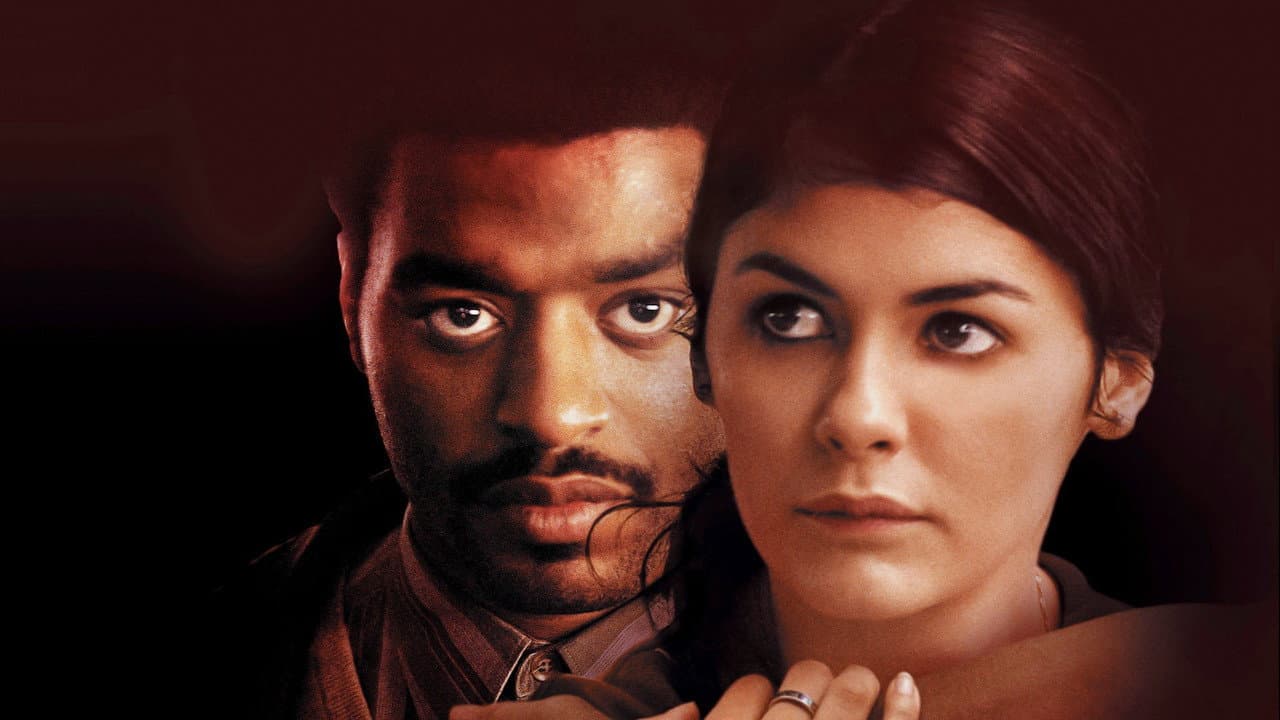
Chiwetel Ejiofor credits Stephen Frears’ 2002 thriller “Dirty Pretty Things” with changing the course of his career and deepening his relationship with cinema itself. In a new conversation reflecting on the film more than two decades after its release, the actor described working with Frears as the experience that taught him how a director’s sensibility can reshape an actor’s understanding of what movies can do.
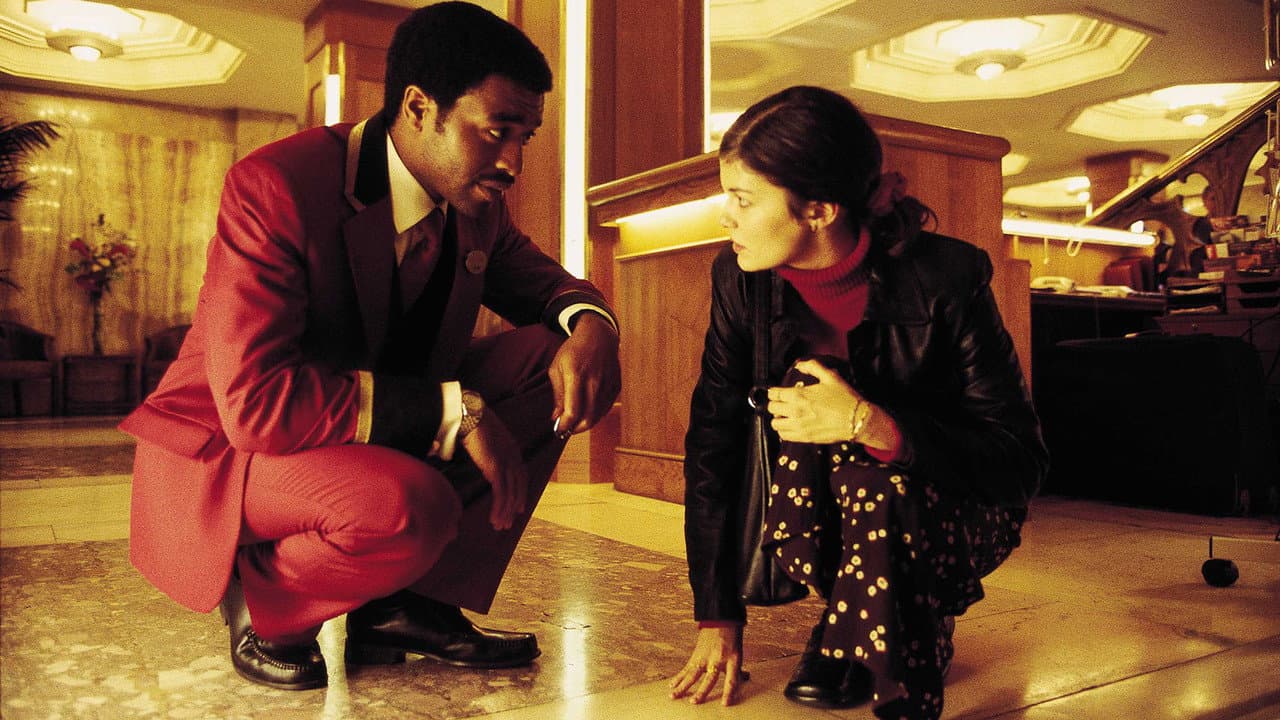
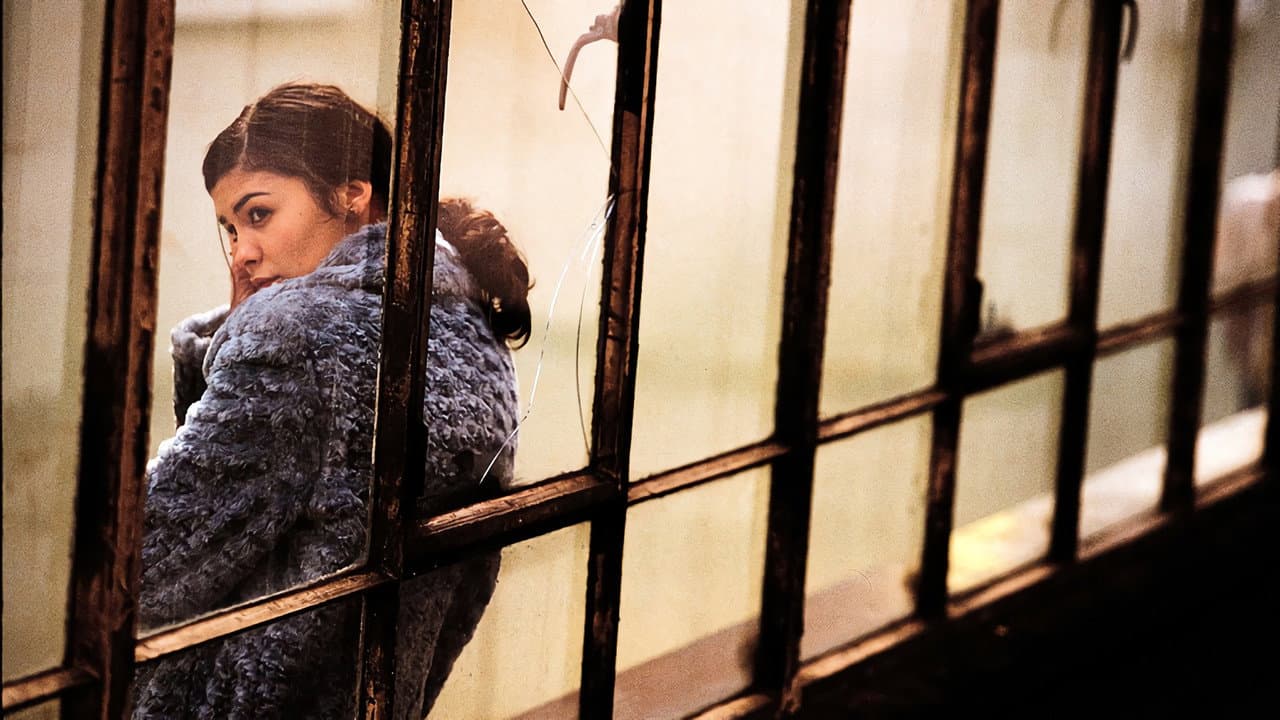
“Dirty Pretty Things,” released on September 5, 2002, runs 97 minutes and unfolds in the shadow of a west London hotel. Ejiofor plays Okwe, an undocumented immigrant who discovers a human heart in one of the hotel’s toilets - a grim find that pulls him and his co-workers into a criminal underworld. The film blends crime, drama and thriller elements, and its collision of ordinary labor with sudden violence is precisely the kind of material Ejiofor says drew him closer to the medium.
A Role That Redefined His Approach
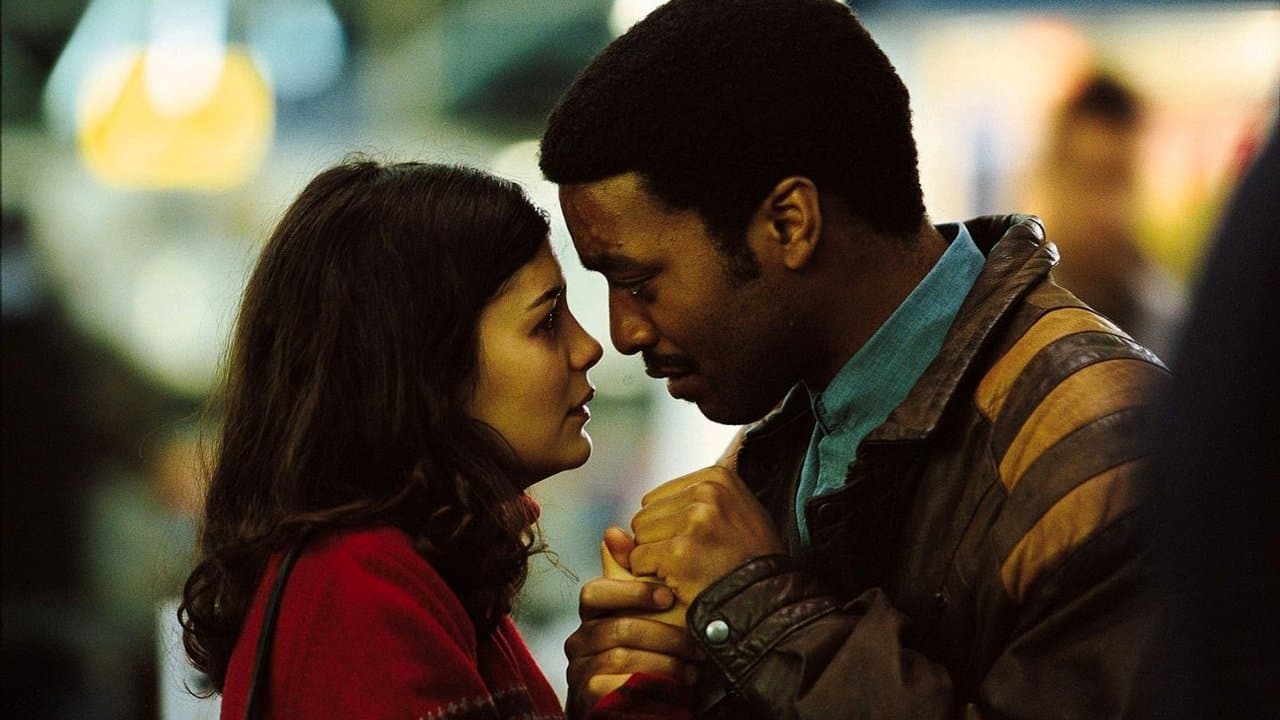
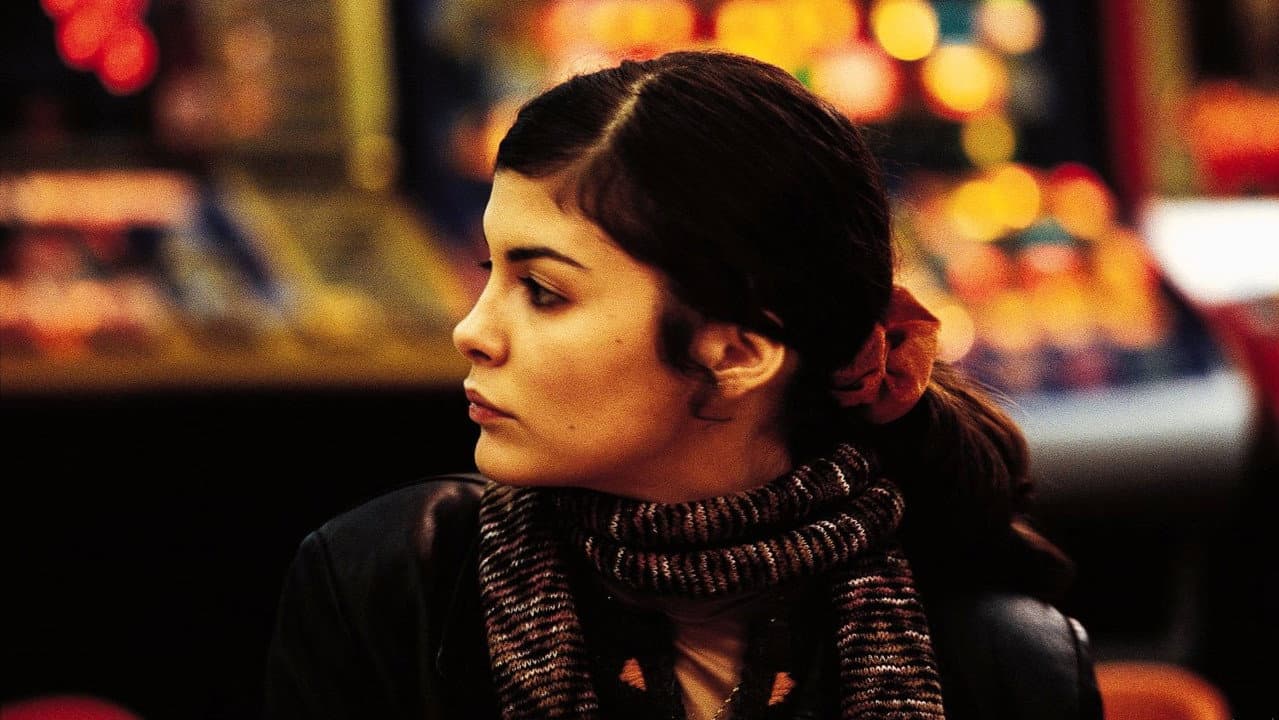
The actor’s turn as Okwe sits at the center of an ensemble that includes Audrey Tautou as Senay, Sergi López as Sneaky (also known as Juan), Benedict Wong as Guo Yi, Sophie Okonedo as Juliette, Zlatko Burić as Ivan, Damon Younger as Punter and Kenan Hudaverdi as Cafe Owner. Ejiofor has spoken of the film as a formative collaboration, one in which Frears’ unshowy, observational style allowed the cast to build a world that felt lived-in rather than staged.
That approach, Ejiofor suggested, is what made him fall in love with filmmaking as a craft rather than simply as a job. Watching Frears work - his economy, his attention to the texture of a scene, his trust in performers - gave the actor a model for how movies can carry moral weight without becoming preachy. The director’s reputation for moving fluidly between genres and registers made the London-set story feel both specific and expansive.
A Story Built on Tension and Empathy
The premise of “Dirty Pretty Things” remains as unsettling as it was on release. Okwe’s discovery in the hotel toilet is the spark for a narrative about survival, exploitation and the compromises people make when they have little legal footing. The film’s genre classification as a crime drama thriller only hints at its deeper concerns; at its core is a portrait of immigrant life in west London, rendered with the kind of granular detail that has kept the movie in circulation.
Ejiofor’s reflections arrive at a moment when the film’s themes continue to resonate. The ensemble - including Tautou, López, Wong and Okonedo - gives the story a breadth that keeps it from narrowing to a single perspective. Each character carries a distinct set of pressures, and the hotel becomes a crossroads where those pressures collide. That structure, Ejiofor has indicated, is part of what made the material so compelling to perform.
Frears’ Influence and a Lasting Legacy
Frears, whose career has spanned decades and an array of subjects, brought a documentarian’s eye to the project. Ejiofor has credited that instinct with helping him see how a film can be both intimate and socially alert. The actor’s appreciation for the director’s method has only grown, he suggested, as he has moved into directing himself - a path that has given him a sharper view of what Frears was doing on set.
The film holds a 6.9/10 rating on TMDb, a figure that reflects its enduring if modest profile among international audiences. More important than any aggregate score, though, is the way “Dirty Pretty Things” functions as a touchstone for Ejiofor. It was, by his account, the project that turned an interest in acting into a love affair with cinema - the realization that a movie can be a vehicle for both suspense and humanistic inquiry.
For viewers revisiting the film, that duality is everywhere: in the hotel’s fluorescent corridors, in the quiet panic of its characters, in the way a single gruesome discovery opens onto a larger system of exploitation. Ejiofor’s reminiscence is a reminder that the movies that shape an actor’s life are not always the biggest or the loudest. Sometimes they are 97 minutes of closely observed tension, directed by someone who knows exactly when to let the silence do the work.
Source: Variety