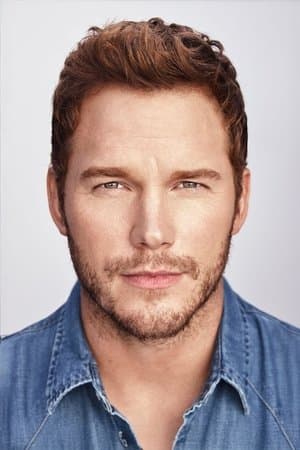
Chris Pratt has publicly credited Kevin Feige with seeing something in him that much of Hollywood had overlooked. In a new interview, the actor thanked the Marvel Studios president for casting him as Peter Quill, the wisecracking leader of the Guardians of the Galaxy, at a point in his career when he did not fit the conventional mold of a superhero lead.
Pratt recalled that when Feige and director James Gunn were assembling the 2014 film, his physique was far from the chiseled look audiences now associate with him. By his own account, he was "kind of fat" at the time, and the industry's default assumption about him was anything but heroic.
"Nobody was thinking, 'Now there's an action star,'" Pratt said, describing the skepticism that surrounded the casting. He went on to express gratitude that Feige was willing to look past that, adding that the executive's willingness to take a chance on him changed the trajectory of his career.
Pratt's breakout as Star-Lord turned him into one of the most bankable performers in Hollywood and made him a fixture of the Marvel Cinematic Universe, a franchise he has returned to across multiple films, including the Avengers ensemble entries and the Guardians sequels. Before Marvel came calling, his best-known role was as the affable, goofy Andy Dwyer on the NBC sitcom Parks and Recreation - a part that showcased his comedic timing but gave little indication that studios would one day build a tentpole franchise around him.
The role demanded a physical transformation, and Pratt undertook a rigorous training and diet regimen to embody the character. That change became part of the story of the casting itself, with Pratt's before-and-after photos circulating widely as the film approached release. Yet the actor's point in revisiting the episode now is not the transformation but the decision that preceded it - a decision made before he had the physique that would later be cited as proof he belonged in the genre.
Feige has a well-documented record of casting against type. Robert Downey Jr. was a comeback story when he was chosen for Iron Man, and the Guardians ensemble was stocked with performers better known for comedy and character work than for capes and combat. That approach has repeatedly paid off at the box office and helped give the MCU a tonal range that distinguishes it from its competitors. Pratt's remarks amount to a testimonial for that instinct, delivered by one of its clearest beneficiaries.
For Pratt, the Marvel job was not just a career upgrade but a pivot that opened doors to leading roles in other major franchises. He has since headlined the Jurassic World films and lent his voice to The Super Mario Bros. Movie, among other projects. None of that would have been likely, he suggested, if Feige had judged him solely on the body he had when they first met.
Pratt also noted that the skepticism he encountered was not malicious - it was simply the way the business tends to operate. Executives look for patterns, and the pattern for a superhero lead at the time was narrow. Feige, in Pratt's telling, ignored the pattern, and the rest is Marvel history.
The actor's comments arrive at a moment when the superhero genre's casting practices are under more scrutiny than ever, with audiences and critics debating who gets to wear the cape and what kinds of performers are deemed credible as heroes. Pratt's anecdote offers an unusually candid window into how those decisions actually get made - not through a single formula, but through the judgment of a handful of people in a room.
Whether the story will resonate beyond Marvel's fan base is an open question, but it carries a familiar arc: an actor who was not the obvious choice, a studio chief willing to gamble, and a role that redefined what the actor could be. Pratt framed it as a debt he still feels he owes.
For now, the actor remains closely associated with the character that made him a star, and with the executive who, by Pratt's account, saw the action hero before anyone else did.
Source: The Hollywood Reporter