Independent documentary distributor Clear Current Films has unveiled a first-look clip from "Concrete Turned to Sand," Ryan Ermacora's 73-minute portrait of oyster farming life on Cortes Island, British Columbia. The film, which runs just over an hour and is slated to reach U.S. audiences on April 28, 2026, marks another collaboration between Ermacora and the cinematographer whose work on the viral "Backrooms" project gave that footage its famously unsettled, fluorescent dread. Here, that same eye is trained on something considerably more tangible: tidal flats, shell beds, and the people who work them.
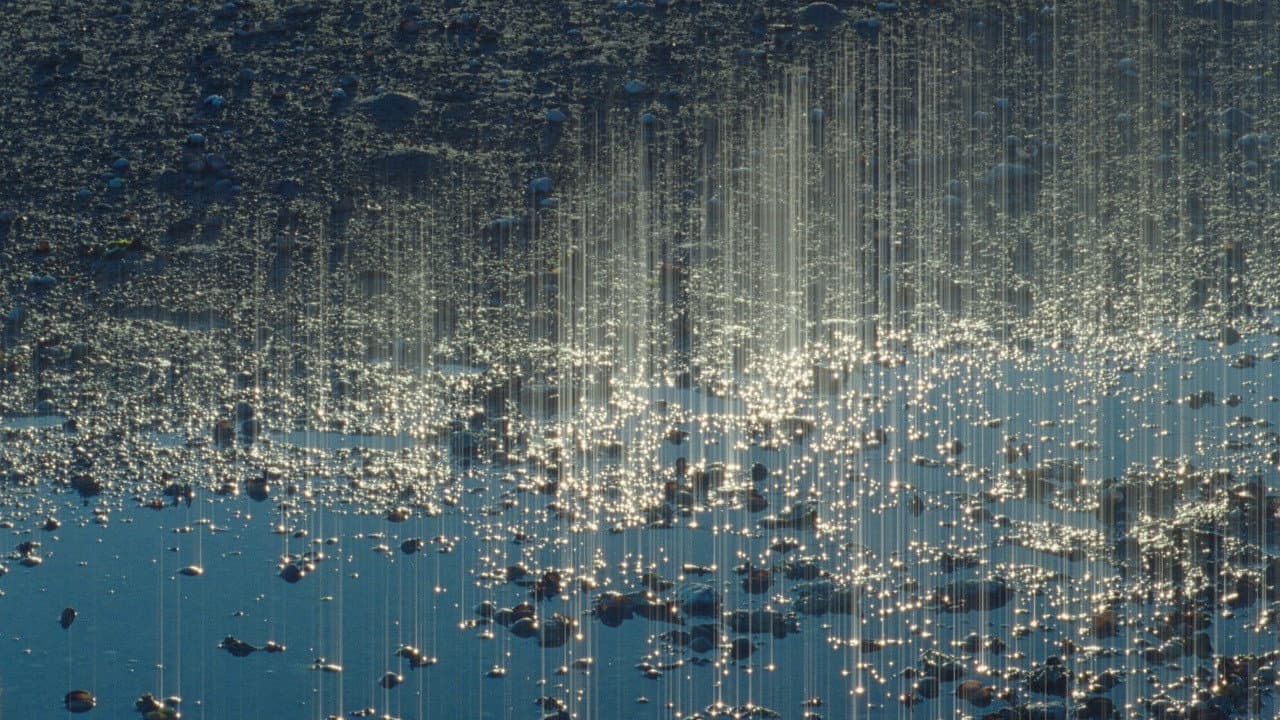
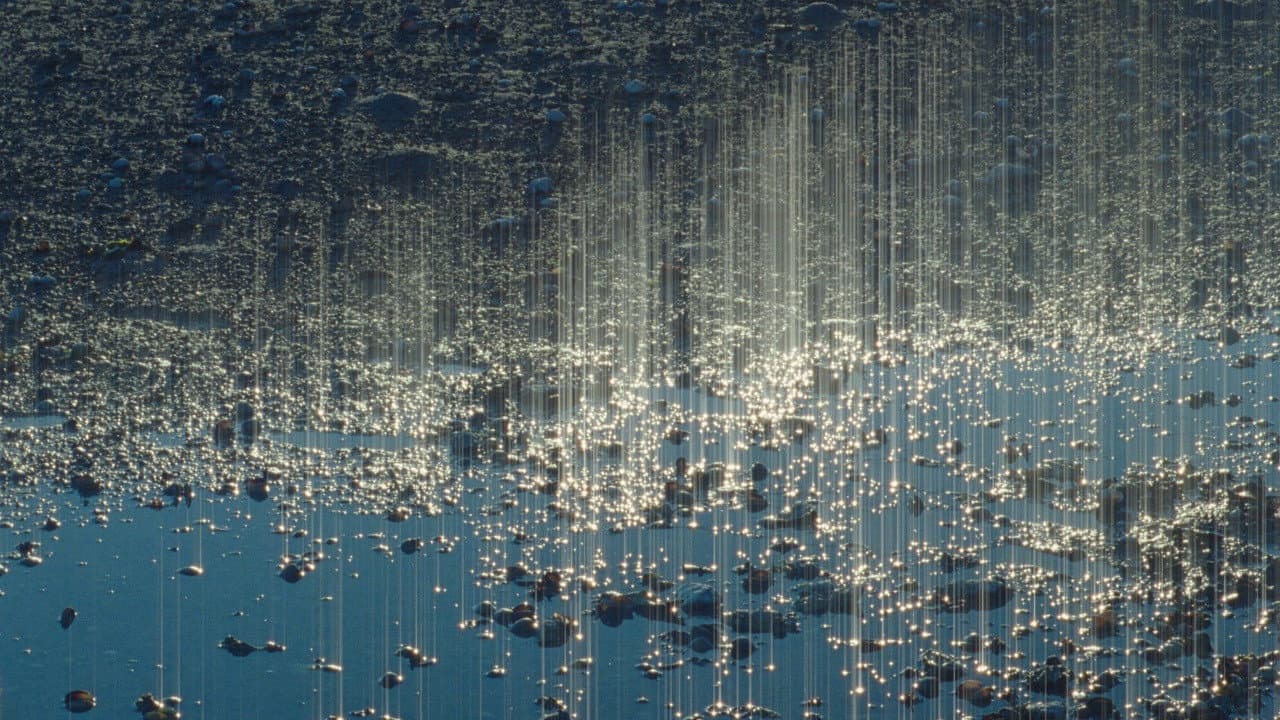
The exclusive clip, debuting with this story, opens at what looks like first light. Water laps at the hull of a small work boat as an oyster farmer hauls a tray of shells from the shallows, and for a long moment the camera simply holds on the surface of the water, letting the reflection of the sky pool and fracture. It's a deliberately slow introduction to a film that appears less interested in explaining aquaculture than in sitting inside it. When the farmer finally speaks, the dialogue is quiet, practical, and almost swallowed by the ambient sound of wind and current.
A Farming Life on Shifting Ground
According to the film's official synopsis, "Concrete Turned to Sand" follows local oyster farmers as they "ply their trade amidst a rapidly changing environment." That phrasing is doing a lot of work. Cortes Island sits in the northern Strait of Georgia, a region where warming waters and shifting ocean chemistry have made shellfish cultivation an increasingly delicate proposition. The title itself suggests the central tension: hard, built things giving way to something loose and sifting, which reads as both a description of the shoreline and a larger metaphor about what happens when the ground beneath a community starts to move.
Ermacora has built a reputation on patient, observational non-fiction, and the clip's refusal to rush suggests the film keeps faith with that approach. There are no talking heads stacked for context, no archival montage explaining the science. Instead, the imagery carries the argument. The water in the frame is not merely a setting; it's the subject, and it's understood by the people on screen as a colleague and an adversary at once.
A Different Kind of "Backrooms" Gaze
The most eye-catching line on the film's production notes is the one about its cinematographer's prior credit. The "Backrooms" footage, originally posted by Kane Parsons and later expanded into a feature, became one of the defining internet horror aesthetics of the decade: empty corridors, yellowed lighting, the vertigo of spaces that shouldn't exist. It is, on its face, an odd pairing with a documentary about bivalve aquaculture in coastal Canada.
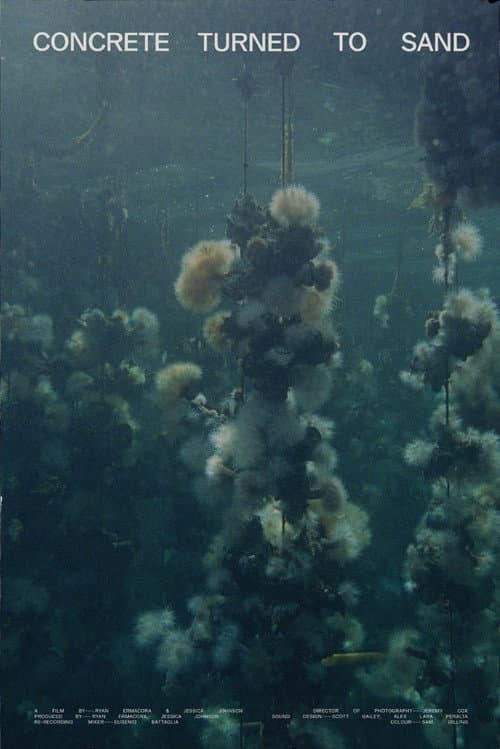
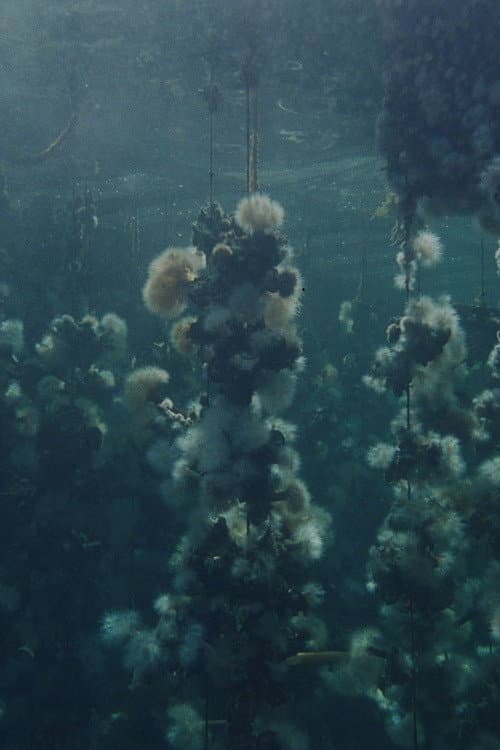
But the connection makes sense once you watch the clip. The "Backrooms" look depends on making ordinary surfaces feel alien, and "Concrete Turned to Sand" applies a version of that sensibility to a landscape most viewers have never thought about. The oyster trays hanging in green water take on a strange, almost architectural quality. The way the camera lingers under the surface, half-submerged, produces the same mild disorientation as a hallway that shouldn't be there. The film appears to be reaching for the uncanny inside the everyday, and finding it.
Slow Cinema, Short Runtime
At 73 minutes, "Concrete Turned to Sand" is notably tight for a film that trades in atmosphere. That runtime suggests a work that trusts its images completely and doesn't overstay. The documentary is in English, produced within the Hollywood industry, and carries no audience rating at this early stage, with no aggregate scoring yet recorded.
Casting information has not been released, and it's likely the film relies on the oyster farmers themselves rather than professional performers, which would be consistent with the observational tradition Ermacora works in. Whether these subjects are named in the credits or simply appear as themselves on screen remains to be seen when the film arrives.
What's clear from the clip is that "Concrete Turned to Sand" is not trying to sell the romance of small-scale farming. The hands are cold, the boats are small, and the work is repetitive. The film's gamble is that repetition, held long enough, turns into something else: a record of steadiness in a place that no longer guarantees it. For viewers who thought aquacultural documentaries were strictly the stuff of public television, this one appears to be aiming somewhere stranger, and quieter, than that.
Source: The Hollywood Reporter