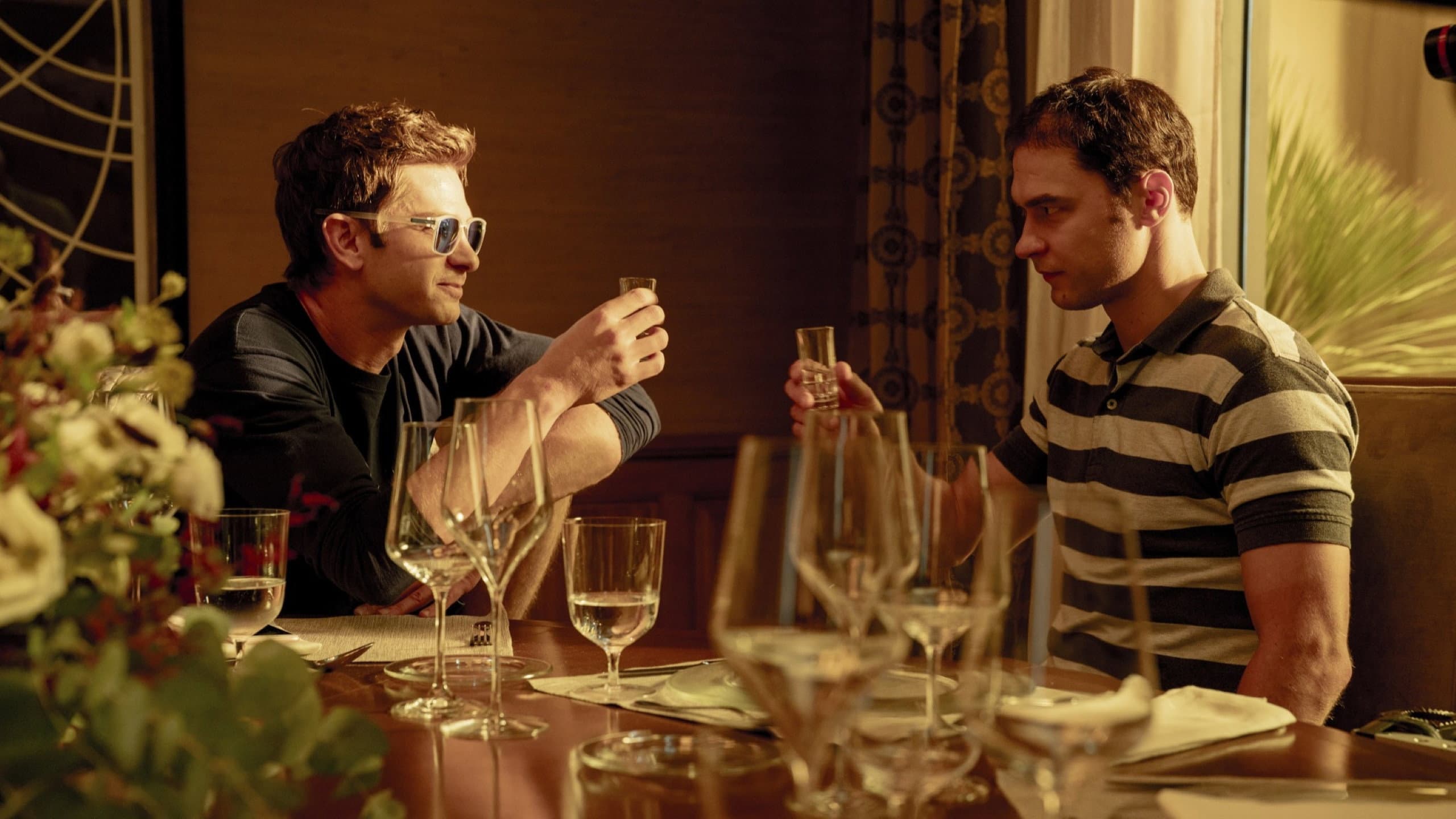
The critical reception now gathering around "Artificial" stands in sharp contrast to the acrimony that surrounded its release. The film, which became the centerpiece of a public and messy separation between its filmmakers and Amazon MGM, has found a measure of vindication not in corporate boardrooms but in the reviews that have arrived in the weeks since the split. What was sold as an ambitious, if troubled, studio project has instead been reclaimed as something closer to a cause.
The backstory is by now familiar to anyone tracking the collision between Hollywood and artificial intelligence. "Artificial" was developed under the Amazon MGM banner with heavy promotional expectations, only to see its creative team and the studio part ways under circumstances that neither side has described with much charity. Reports at the time suggested disagreements over final cut, marketing strategy, and the role of AI-assisted tools in post-production. The studio, for its part, framed the break as a routine business decision. The filmmakers framed it as something else entirely.
Critics have largely sided with the latter. Reviews have praised the film's formal ambition and its willingness to sit uncomfortably with its own subject matter. More than a few writers have noted the irony that a movie about synthetic creation was itself treated as a commodity to be discarded. That irony has become the throughline of the coverage, turning a distribution dispute into a referendum on how studios value the people who make the things they sell.
A Dispute That Refuses to Stay Settled
The Amazon MGM breakup is not an isolated incident. It arrives amid a broader, and rapidly escalating, conflict between studios and talent over the use of AI in production. Writers, actors, and directors have spent the past several years negotiating guardrails around generative tools, and those negotiations have grown more contentious as the technology has improved. What began as a question of credit and compensation has widened into a fight over consent, likeness, and the very definition of authorship.
"Artificial" has become a convenient symbol in that fight, partly because its subject matter invites the comparison and partly because its treatment by the studio seemed to confirm the worst fears of the people making it. The film's defenders argue that the messy breakup illustrates a structural problem: studios are eager to deploy AI to cut costs but reluctant to cede any control to the creatives who understand the technology best.
The studio has not commented publicly on the critical response. Neither have the filmmakers, beyond a brief statement acknowledging the reviews without addressing the dispute directly. That silence has done little to cool the conversation. If anything, it has encouraged speculation about what a different version of the release might have looked like under different ownership.
The Larger War Over AI and Authorship
What makes the "Artificial" saga more than a cautionary tale is its timing. The industry is entering a phase in which AI tools are no longer experimental but embedded in workflows, from pre-visualization to editing to marketing. Each of those applications raises its own set of labor questions, and each has become a front in the studios-versus-talent wars. The guilds have pushed for transparency and opt-in provisions. The studios have pushed for flexibility. The result has been a patchwork of agreements that satisfy almost no one.
Against that backdrop, a film like "Artificial" carries an unusual burden. It is being read not just as a narrative but as evidence. Critics who admire it see proof that human judgment remains irreplaceable. Executives who passed on it see a cautionary example of what happens when a project becomes too closely associated with its own controversy.
Both readings may be correct. The film's reputation will likely be shaped less by its box office than by the arguments it has provoked, and those arguments are not going away. If anything, the next round of contract talks will make them louder.
For now, the vindication belongs to the filmmakers, at least critically. Whether it translates into leverage in the larger fight is another question, and one that the industry has only just begun to answer.
Source: Variety