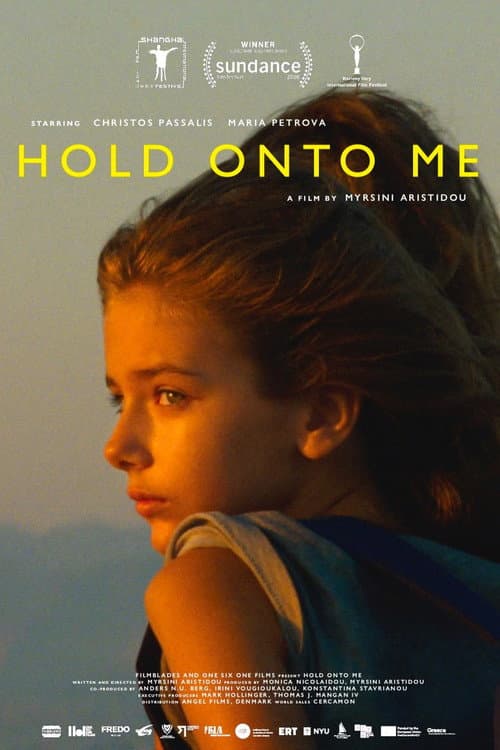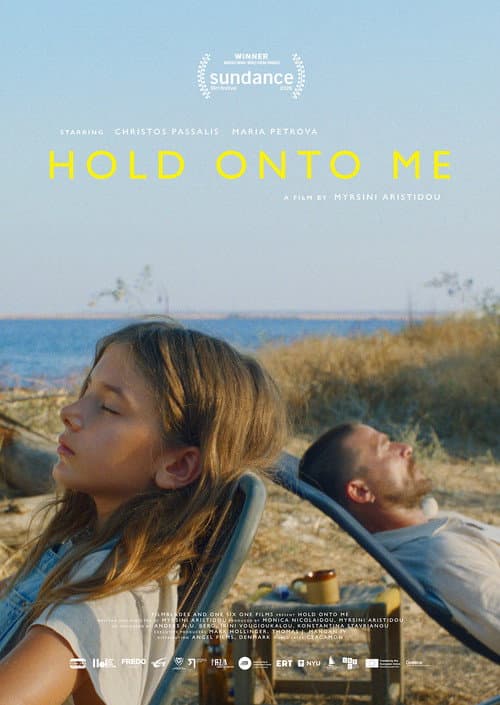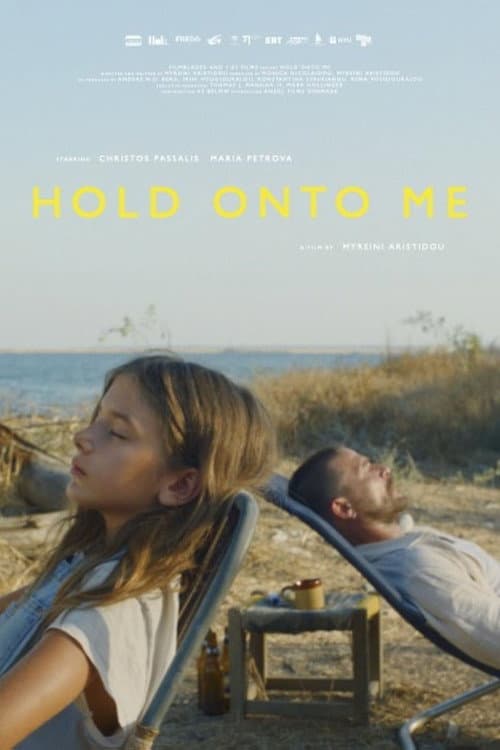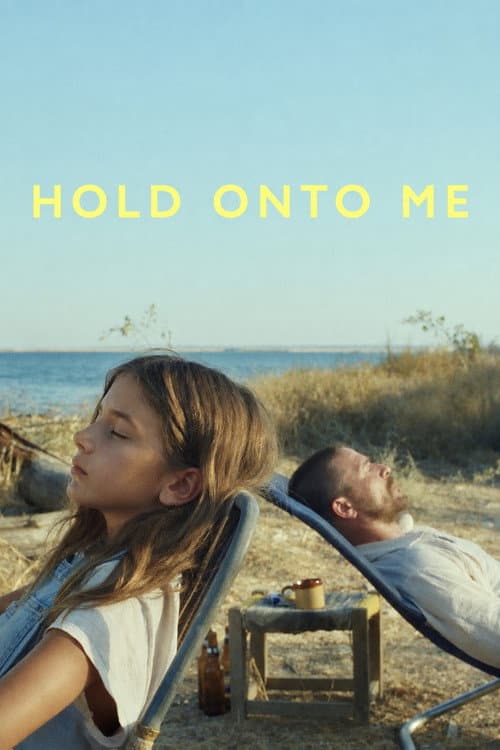
Cyprus has submitted a film to the Academy Awards for the first time, and the title it has chosen is "Hold Onto Me," a father-daughter drama from director Myrsini Aristidou that pairs a first-time young performer with one of the most recognizable faces in Greek-language cinema. The film, which runs 102 minutes, has been selected as the country's entry in the international feature category, marking a milestone for an island film industry that has until now remained on the margins of the annual awards conversation.
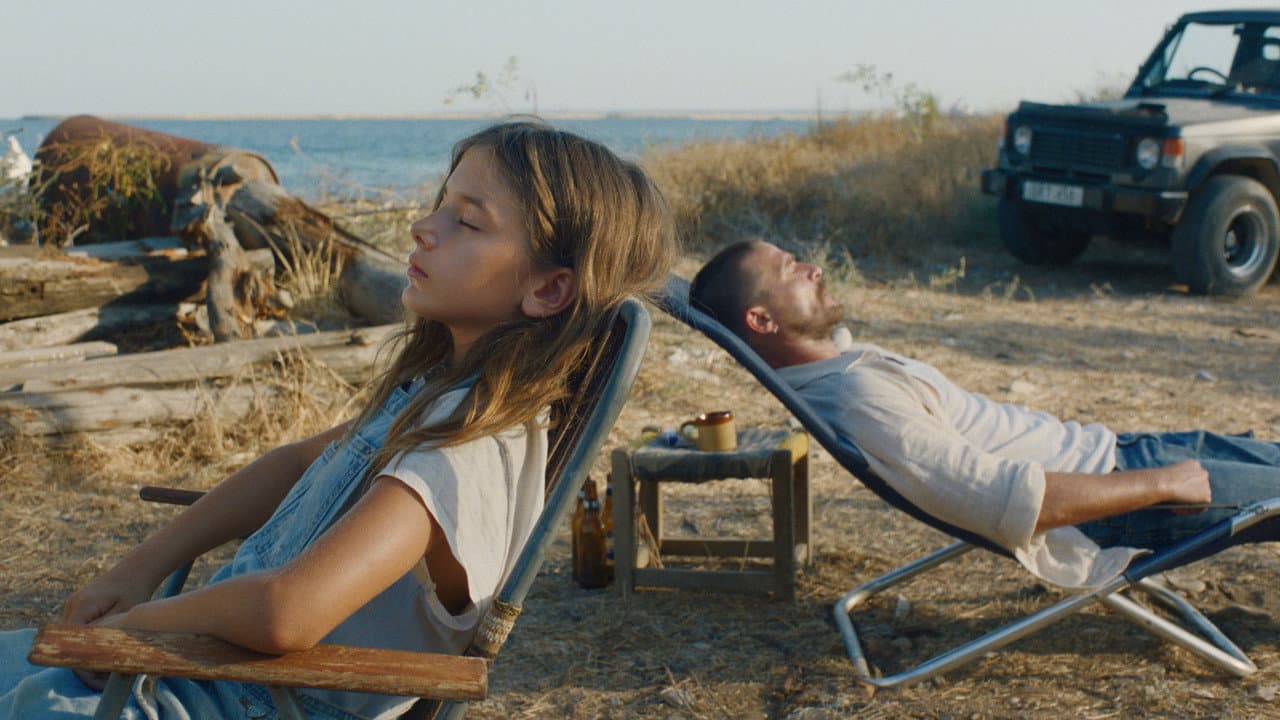
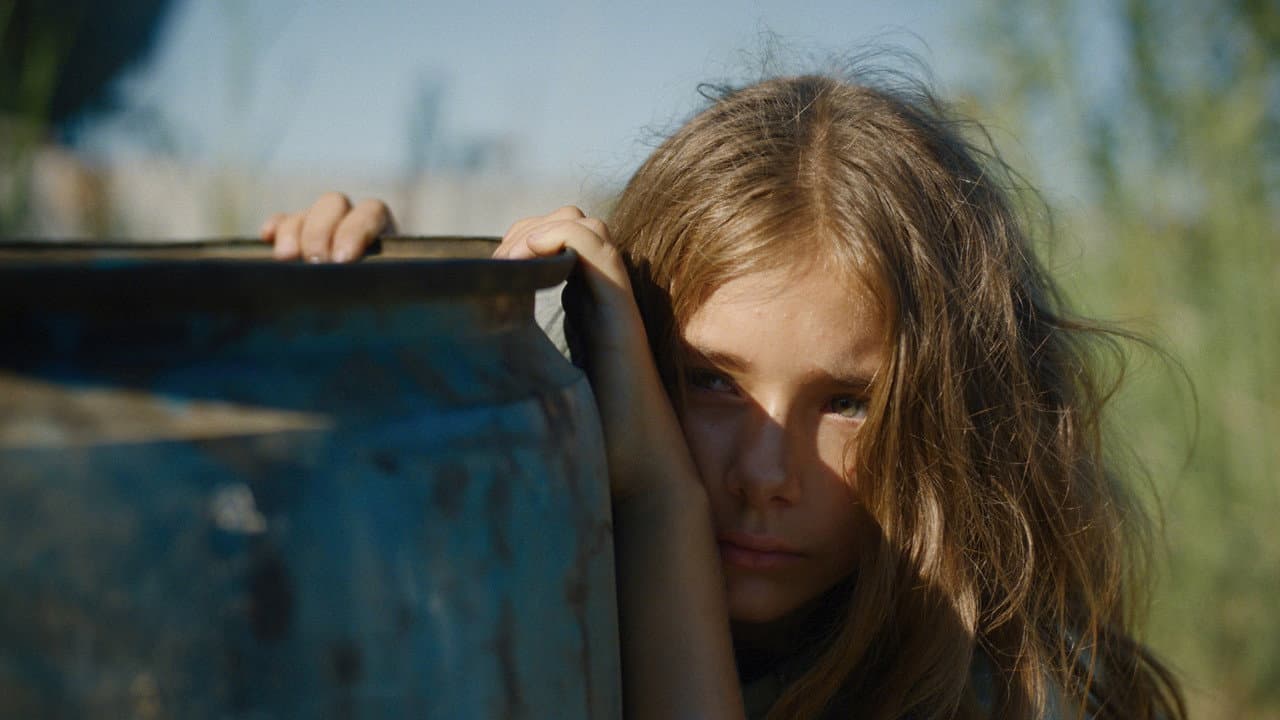
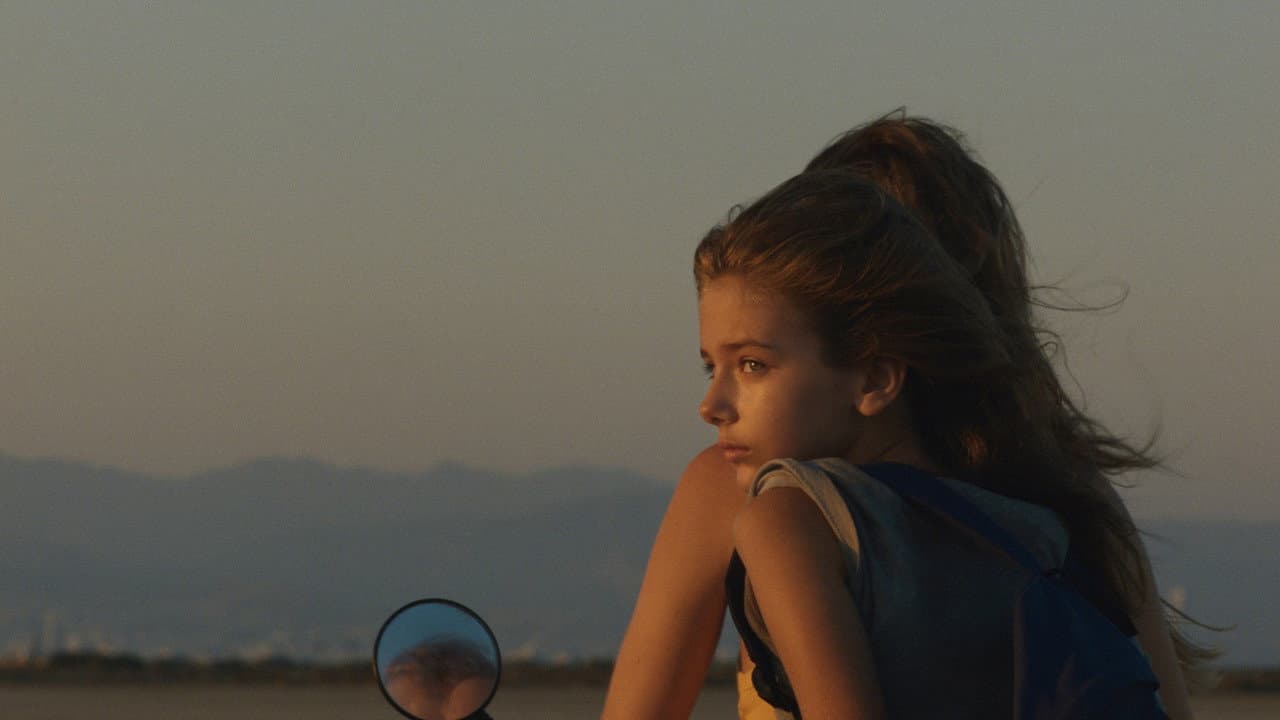
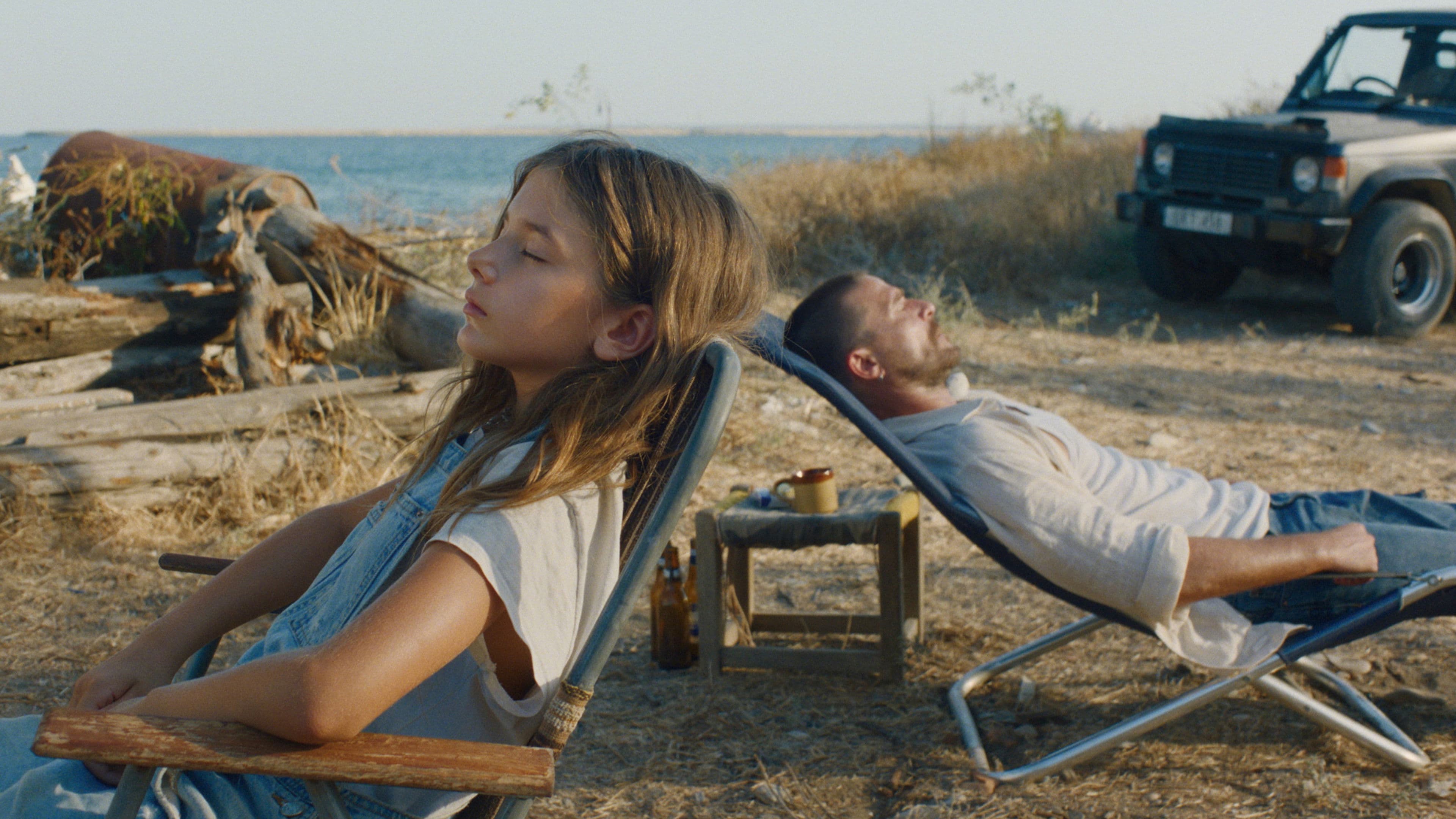
At its center is eleven-year-old Iris, played by newcomer Maria Petrova, who learns that her estranged father, Aris, has returned to town for his own father's funeral. Rather than wait for him to come to her, Iris sets out to find him, tracking him to a dilapidated shipyard where he has been keeping to himself. What starts as a stubborn campaign to reconnect gradually softens into something more fragile - a bond neither of them seems fully equipped to sustain.
Aris is played by Hristos Passalis, a Greek actor familiar to arthouse audiences from his work in "Dogtooth," the Yorgos Lanthimos film that became a breakout of the so-called Greek Weird Wave and earned an Oscar nomination of its own. Passalis's presence gives the production a measure of international recognition, while Petrova carries its emotional weight. In an early lead role, she is asked to hold the screen opposite a seasoned performer, and the film's structure depends on the audience believing both her determination and her disappointment.
Aristidou, who wrote the screenplay as well as directing, has described the project in personal terms, framing it as a story drawn from her own experience of family separation. That closeness to the material shows in the film's restraint. The reunion at the shipyard is not staged as a dramatic confrontation but as a slow accumulation of small moments, and the setting - rusting hulls, cranes, and quiet water - does much of the work of suggesting what Aris has been avoiding and what Iris refuses to let go of.
The supporting cast includes Jenny Sallo as Danae, Aulona Lupa as Stella, Achilleas Grammatikopoulos as Elias, Giorgos Kyriacou as Costas, Andreas Koutsoftas as a police officer, and Loukas Zikos as a boat owner. The film is classified as a drama and was released on January 26, 2026.
The selection arrives at a moment of expansion for Cypriot cinema, which has produced a growing number of features in recent years but has never before reached the Academy's international shortlist. Submission does not guarantee a nomination; the category routinely draws dozens of entries from around the world, and only a small fraction advance. Still, the choice signals ambition. Cyprus is not entering with a documentary or a social-issue film, but with an intimate character study built around a child and an absent parent - modest in scale, but emotionally direct.
"Hold Onto Me" also benefits from a striking critical signal. On TMDb, the film currently carries a rating of 10 out of 10, an unusually high figure that reflects the enthusiasm of the viewers who have logged it so far. Ratings at that level are rare and tend to reflect a small, highly engaged audience rather than a broad consensus, but they suggest the film has landed with the people who have seen it.
For Passalis, the role is a departure from the stylized, confrontational work that made his name. Aris is a man in retreat, and the performance appears built around silence and evasion rather than showmanship. For Petrova, the film is a debut of unusual responsibility: she is in nearly every scene, and the story's emotional logic depends on her character's refusal to accept the distance her father has put between them.
Whether the Academy's voters respond to that quiet approach will not be known until the shortlists are announced. But the submission itself changes the terms of the conversation for Cypriot filmmaking. A first entry is a statement of intent, and "Hold Onto Me" makes its case through intimacy rather than scale - a father, a daughter, a shipyard, and the slow, uncertain work of knowing each other again.
Source: The Hollywood Reporter