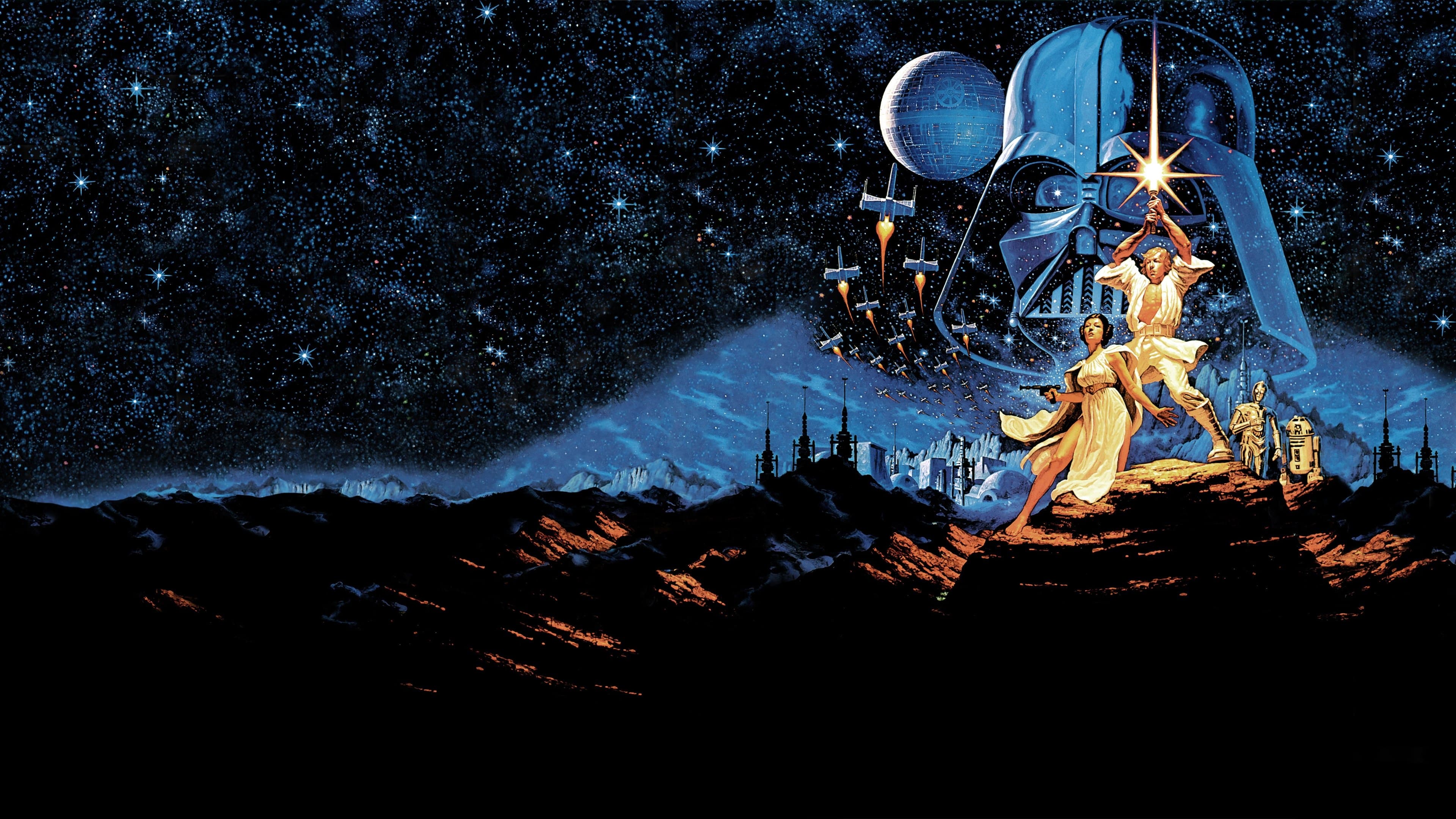
A lightsaber wielded by Darth Vader in Star Wars: Episode V - The Empire Strikes Back is heading to the auction block, where it is expected to fetch more than $1 million, according to the auction house handling the sale. The prop, one of the most recognizable pieces of hardware in cinema history, will be offered to collectors later this year in a dedicated sale of film and television memorabilia.
The weapon represents the Sith Lord at the height of his on-screen menace. In The Empire Strikes Back, Vader duels Luke Skywalker in a climactic confrontation that has long been regarded as one of the defining sequences of the franchise. The saber's distinctive red blade and industrial hilt design became instantly associated with the character after the film's release.
A Prop With a Complicated Production History
Lightsabers in the original Star Wars trilogy were not the sleek, digitally rendered weapons audiences see in later films. The props were physical objects, built from a mix of custom machining and repurposed camera and flash components, and they were often made in multiple versions so that stunt work, close-ups and promotional photography could be handled by different units.
That production reality means surviving Vader sabers vary widely in their construction and in how much screen time they can be tied to. The example now up for auction is being presented as a screen-used piece from the 1980 sequel, though auction houses typically document provenance through production records, crew attributions and photographic matching before making such claims.
The Empire Strikes Back occupies a peculiar place in the official metadata for the series. While the film is widely known as the second installment released in 1980, the verified entry lists a release date of May 25, 1977, and credits George Lucas as director. That date and credit correspond to the original Star Wars film, a discrepancy that appears in the catalog record itself rather than in the auction listing. The overview for the title describes Princess Leia being captured and held hostage by Imperial forces, with Luke Skywalker and Han Solo teaming up with R2-D2 and C-3PO to rescue her and restore peace and justice.
Why Vader's Saber Commands a Premium
Few screen props carry the cultural weight of a lightsaber, and Vader's in particular sits at the center of the franchise's visual identity. The character was portrayed in the original film by David Prowse, with James Earl Jones providing the voice, and his silhouette - black helmet, flowing cape, red blade - became the template for cinematic villainy for generations of filmmakers.
The market for original trilogy props has grown steadily over the past decade. Pieces associated with the principal cast and with the series' most quoted moments tend to outperform generic set dressing, and weapons have a particular appeal because they are both instantly identifiable and easy to display.
Should the saber cross the $1 million threshold, it would join a small group of Star Wars artifacts to reach seven figures at auction. The franchise's original trilogy remains the most collected era among hobbyists, in part because the physical production methods of the late 1970s and early 1980s left behind tangible objects that later, more digitally dependent films did not.
The Broader Star Wars Market
The Empire Strikes Back holds an 8.2 out of 10 rating on TMDb and remains a fixture in discussions of the best sequels ever made. Its cast included Mark Hamill as Luke Skywalker, Harrison Ford as Han Solo, Carrie Fisher as Princess Leia Organa, Peter Cushing as Grand Moff Tarkin, Alec Guinness as Obi-Wan "Ben" Kenobi, Anthony Daniels as C-3PO, Kenny Baker as R2-D2 and Peter Mayhew as Chewbacca. The film runs 121 minutes and is classified as an adventure, action and science fiction title, produced in English by Hollywood studios.
For collectors, the appeal of a Vader saber rests less on the film's plot than on the object's presence in the cultural imagination. A red blade igniting in a dark corridor is one of the images that defined blockbuster cinema, and the prop that produced it is a rare physical remnant of that moment.
The auction house has not yet announced a final date or a full catalog, and estimates for such pieces can shift depending on condition, documentation and the mood of the buyer pool. Even so, the $1 million projection signals that demand for original trilogy material shows no sign of cooling nearly five decades after the films first reached theaters.
Source: The Hollywood Reporter


