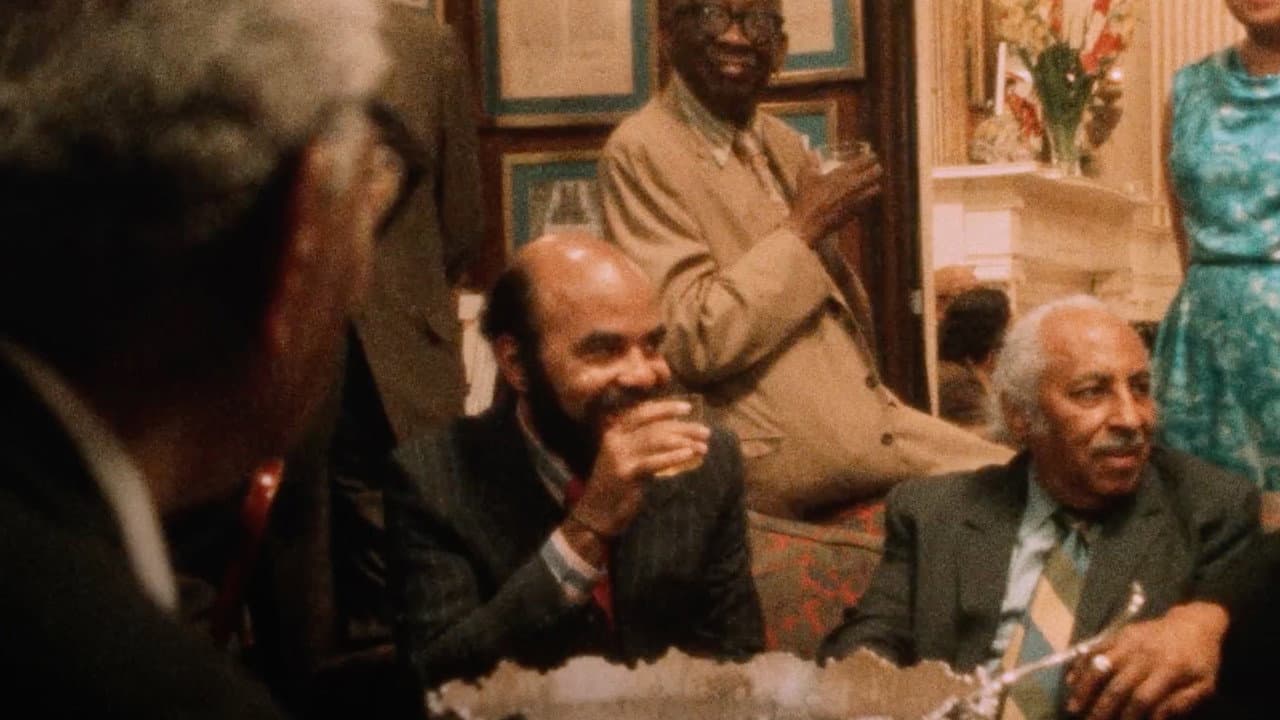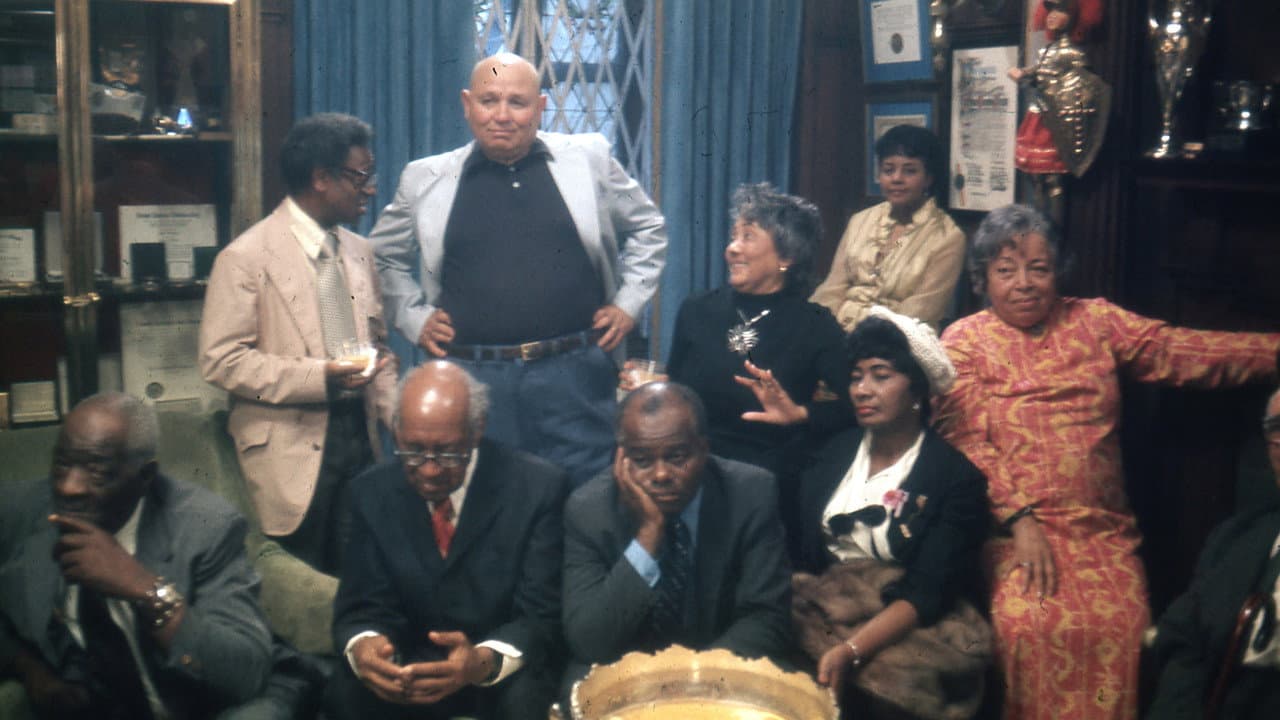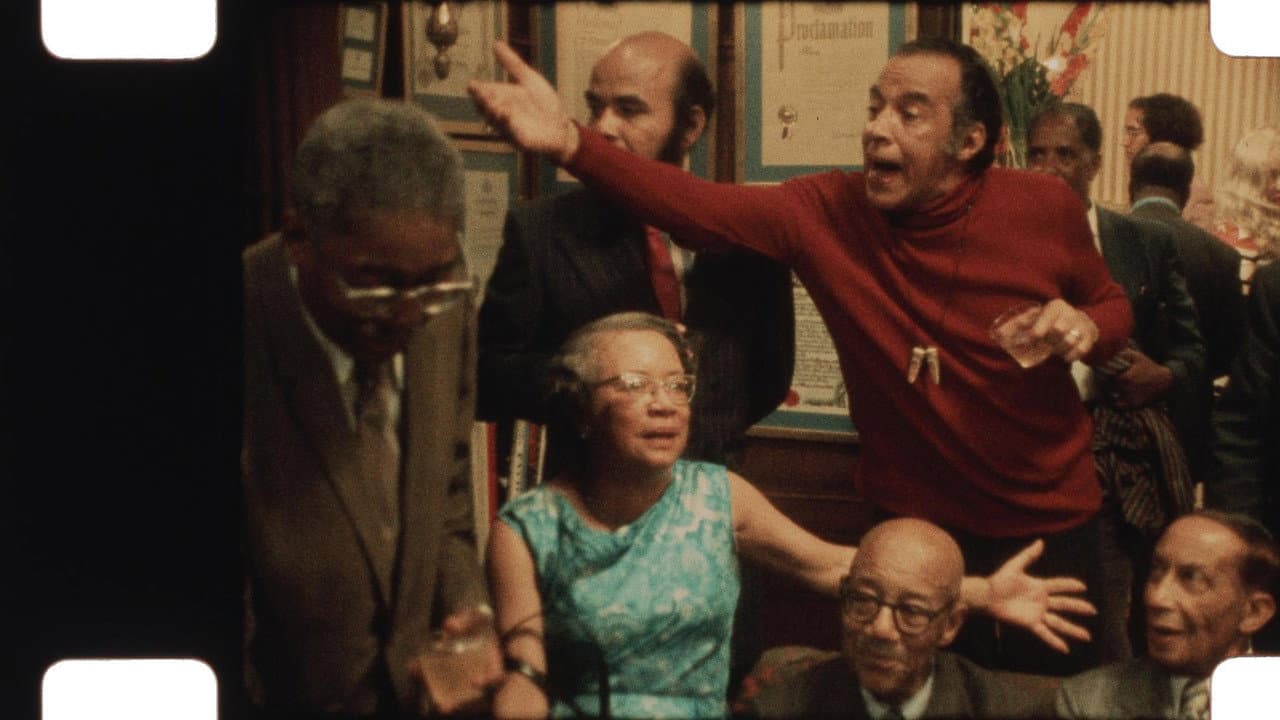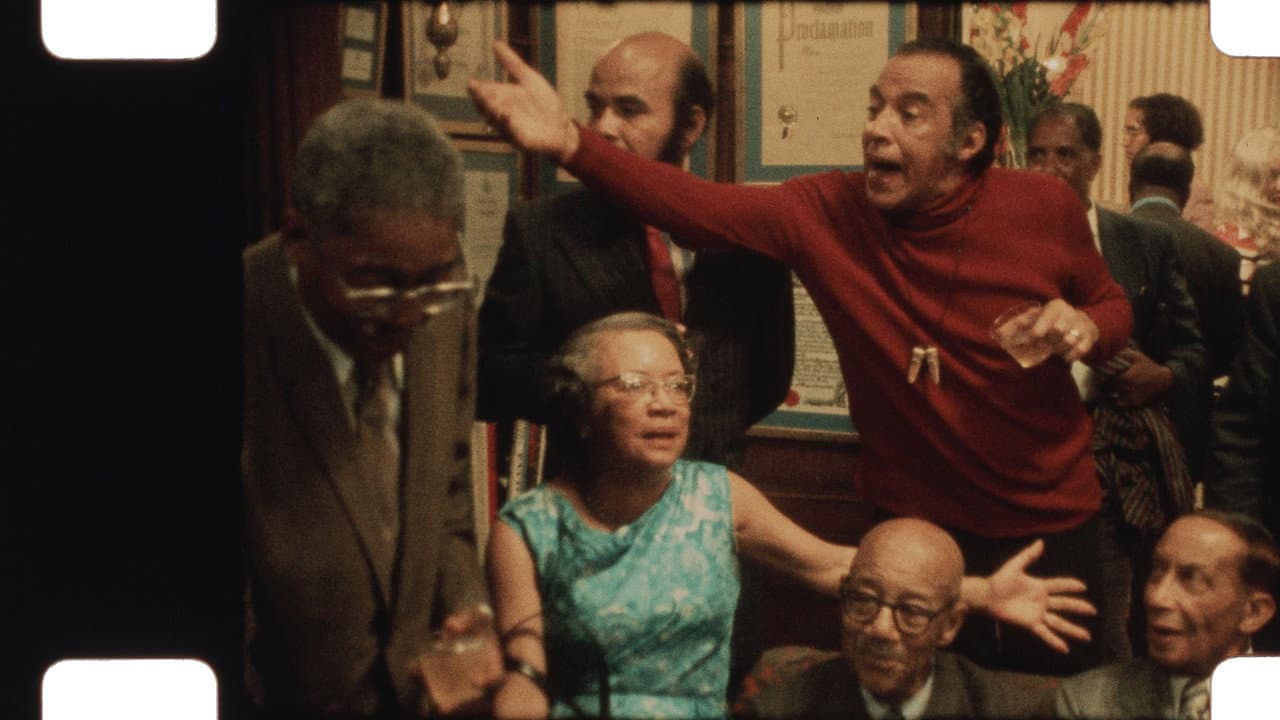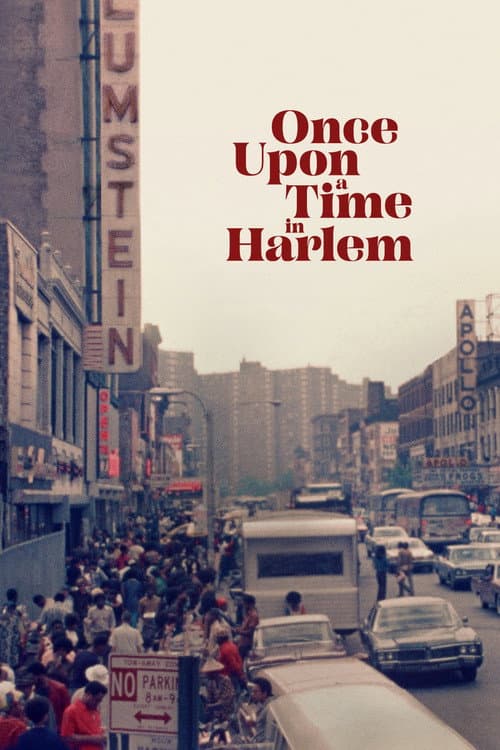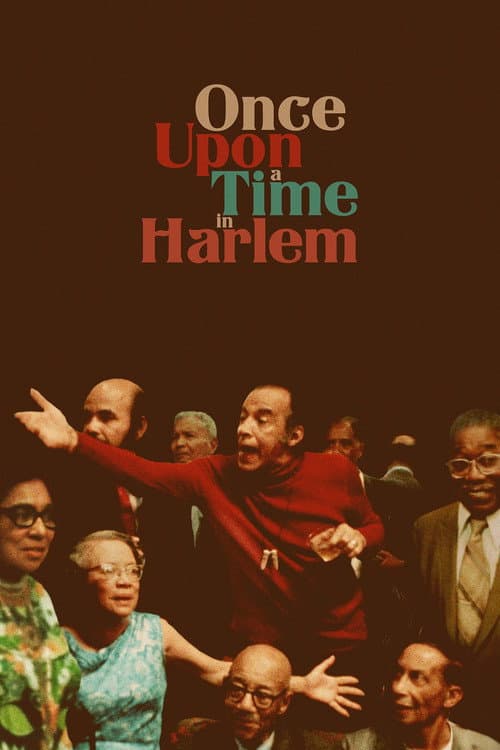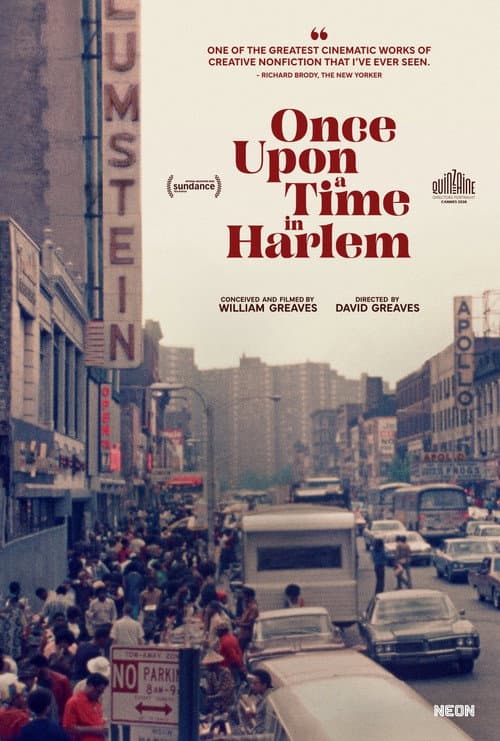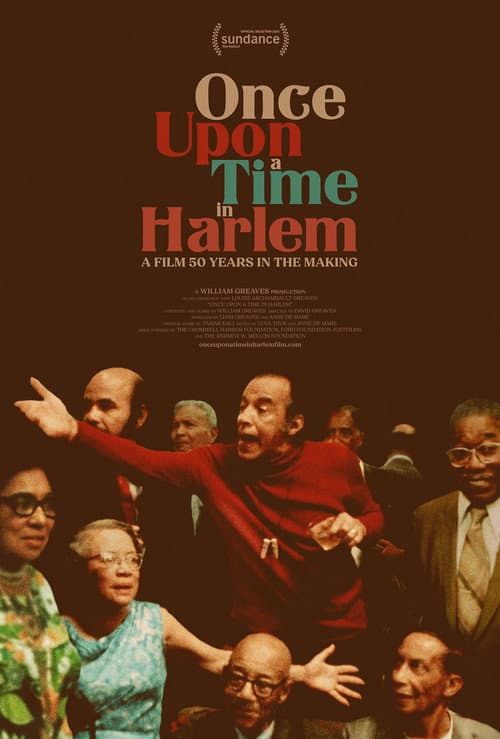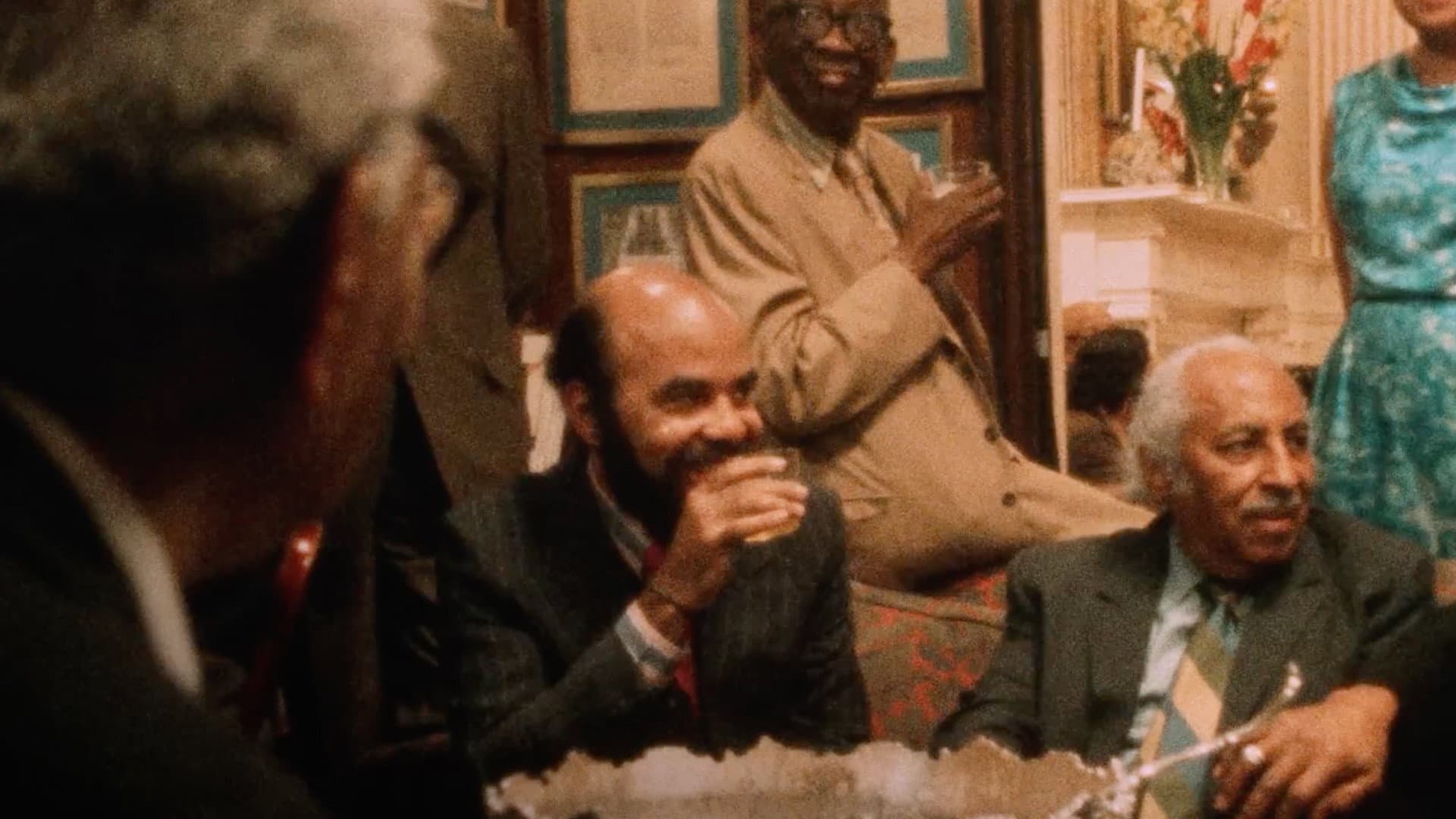
David Greaves has described his father's final film, "Once Upon a Time in Harlem," as "an act of resistance" against the forces he believes are working to erase Black history from the cultural record. The documentary, directed by the younger Greaves, arrives in theaters on October 16, 2026, a decade after the death of William Greaves, the genre-defying filmmaker whose career moved between documentary, experimental cinema and television. At its center is a 1972 party that William Greaves engineered and captured on camera, gathering many of the surviving luminaries of the Harlem Renaissance under one roof.
According to its official synopsis, the film represents what William Greaves himself regarded as the most important event he ever committed to celluloid. The gathering brought together writers, artists and performers whose names defined the Harlem Renaissance decades earlier, and the resulting footage has remained largely unseen until now. David Greaves frames the release as more than a restoration project. In his view, putting these faces and voices before contemporary audiences is a political gesture as much as a historical one.
The film runs 100 minutes and is presented as a documentary in English. Its ensemble is drawn entirely from archive footage rather than new interviews or staged recreations. The on-screen participants include painter Aaron Douglas; writer Richard Bruce Nugent; artist Ernest Crichlow; composer Eubie Blake; actor Leigh Whipper; writer Arna Bontemps; photographer James Van Der Zee; and William Greaves himself, who appears as a participant in the event he organized. Each is credited as playing himself through archival material.
A Family Legacy, Completed Posthumously
William Greaves built a reputation across more than half a century of filmmaking, often working outside the conventions of the documentary form. His interest in Harlem and its intellectual life ran through much of that career, and the 1972 party appears to have been conceived as both a social occasion and an archival act. By assembling the people who had shaped the Harlem Renaissance while they were still alive to speak about it, he created a record that no subsequent interview could replicate.
David Greaves, who directed the completed film, has spoken about the responsibility of finishing work his father left behind. His characterization of the project as resistance places the documentary within a broader argument about which histories are preserved and which are allowed to fade. According to his framing, the film is intended to counter efforts to remove Black history from public memory, a concern that has grown more urgent in recent years as debates over curriculum and commemoration have intensified across the United States.
The archival cast reflects the breadth of the Renaissance as a movement. Douglas and Nugent were central figures in the visual and literary circles of the 1920s and 1930s. Blake, a composer and pianist, carried the era's musical traditions forward for decades. Bontemps was a poet, novelist and librarian whose work documented Black life in the South and in Harlem. Whipper, an actor of stage and screen, and Van Der Zee, whose studio photographs became among the most enduring images of Harlem, round out a group whose combined historical reach stretches from the early twentieth century well into the later decades.
A Party as Primary Source
The premise of the film is unusual for a documentary. Rather than reconstructing the gathering through narration and secondary accounts, "Once Upon a Time in Harlem" relies on the recorded event itself, with the camera serving as witness to conversations among people who knew one another and shared a formative era. The approach fits with William Greaves's reputation for bending documentary conventions, and it gives the material a spontaneity that formal interviews often lack.
The film currently holds a rating of 7.333 out of 10 on TMDb, based on user scores. It is being released in the Hollywood industry and will open in theaters on October 16, 2026, roughly a decade after its subject's death. With its 100-minute runtime, the documentary aims to give the 1972 gathering a place in the historical record that it never received at the time it was filmed.
For audiences, the appeal may lie in hearing these figures in their own words, at a moment when many of them were reflecting on what the Harlem Renaissance had meant and what it had left unfinished. For David Greaves, the film is also a statement of principle. In presenting his father's footage as an act of resistance, he positions the movie as an argument that memory itself is worth defending, and that the people in these frames deserve to be seen and heard rather than consigned to footnotes.
Source: The Hollywood Reporter