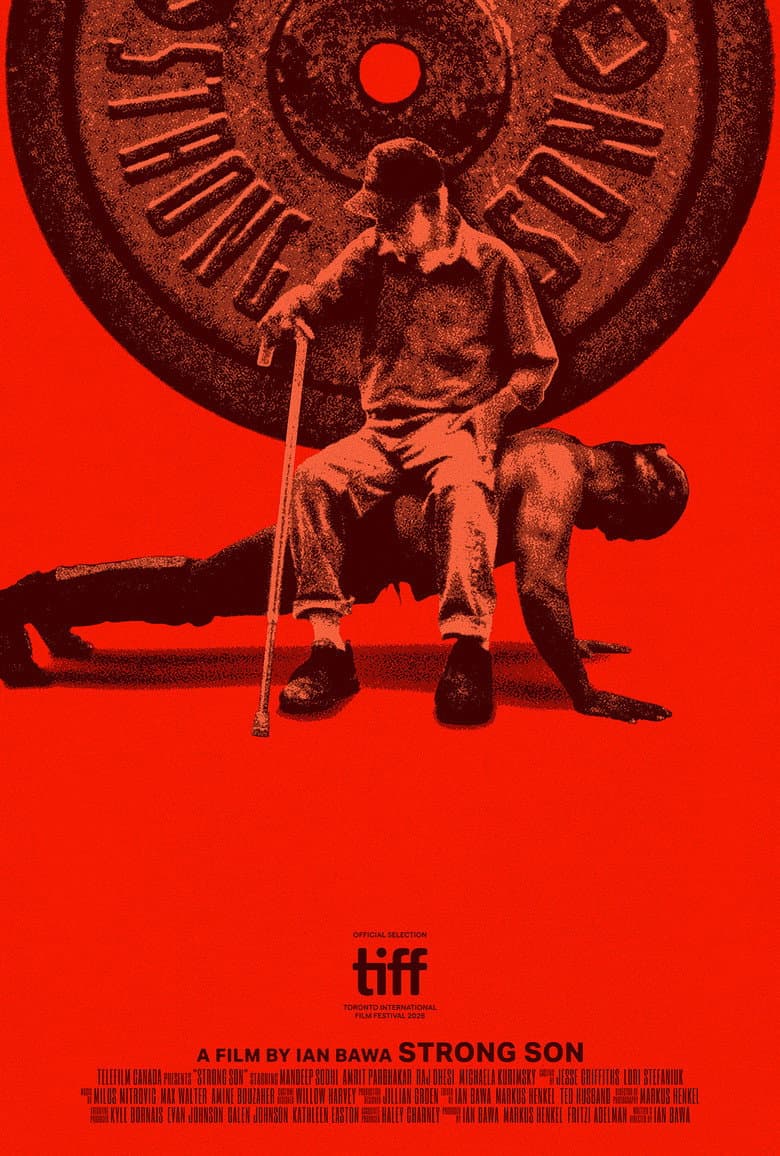
Six years after the Toronto International Film Festival premiere of a short film whose star, his own father, died within weeks of that screening, the director behind that project is coming back to the festival circuit with a feature built around loss and the long aftermath of it. The filmmaker, whose earlier short "Strong Son" played TIFF, has completed a new grief drama that draws on the experience of mourning a parent who was also a collaborator and, in a very real sense, the reason the movie existed at all.
The timing is difficult to ignore. The short premiered in Toronto to the kind of reception any emerging director hopes for, and then the bottom fell out. His father, who starred in the film, died soon after the festival ended. What should have been the opening chapter of a career became, instead, the thing he had to survive before he could work again.
Now he has made a movie about exactly that kind of survival. The new feature, according to people familiar with the project, centers on a family navigating the slow, unglamorous work of living with grief - not the funeral, not the immediate shock, but the months and years afterward, when the rest of the world has moved on and the bereaved have not. It is a subject the director knows from the inside, and he has chosen not to soften it.
Those who have seen early cuts describe a film that resists the usual cathartic beats. There is no tidy breakthrough scene, no speech that fixes everything. Instead, the movie sits with its characters in the ordinary moments where loss keeps resurfacing: a meal that used to be shared, a phone number still saved, a voice on an old recording. It is the kind of approach that can feel punishing on paper but, in the right hands, becomes something audiences recognize as true.
A short that became a memorial
"Strong Son" was never meant to be a farewell. When the director cast his father, it was a practical and personal decision - working with someone he trusted, in a story that mattered to both of them. The short's premiere at TIFF gave the pair a shared milestone, one of those rare professional moments that doubles as a family memory.
That it also became the last public chapter of his father's life is something the director has spoken about only sparingly. He has not turned the death into a promotional hook, and he has resisted invitations to frame the new film as a monument. But he has acknowledged that the two projects are connected, that the feature could not have been written by someone who had not lived through what came after the festival lights went down.
For a filmmaker, that creates an unusual burden. Every interview about the new movie risks becoming an interview about the death. Every question about craft circles back to biography. The director has apparently decided the only honest way forward is to let the work carry the weight and to keep his own commentary measured.
Why the industry is watching
There is a commercial logic to this story that goes beyond the personal. Festival breakouts who suffer a loss right as their careers begin often disappear from the landscape - the momentum is simply too fragile to survive a year or more of grief. The fact that this director has returned at all, and returned with a feature rather than another short, makes him a subject of genuine interest among programmers and producers.
It also lands at a moment when grief dramas are enjoying a quiet resurgence, as audiences show appetite for stories about interior life rather than spectacle. Distributors have taken note, though no deal has been announced and the film's release plans remain unsettled. Anyone expecting a neat redemption arc should temper that expectation; the director has said the movie is not about healing so much as about continuing.
What happens next depends on the reception the film receives when it screens. If it connects, it will be read as a triumph over circumstance - a narrative the director himself seems wary of. If it divides audiences, that too will be folded into the same story. Either way, the movie exists because a son kept working after losing his father, and that fact will follow it everywhere.
For now, the director is doing what filmmakers do in this position: finishing the film, showing it to the people who decide its fate, and trying to talk about the craft rather than the wound. Six years is a long time in an industry that forgets quickly. It is not, for most people, long enough to stop missing a parent.
Source: The Hollywood Reporter