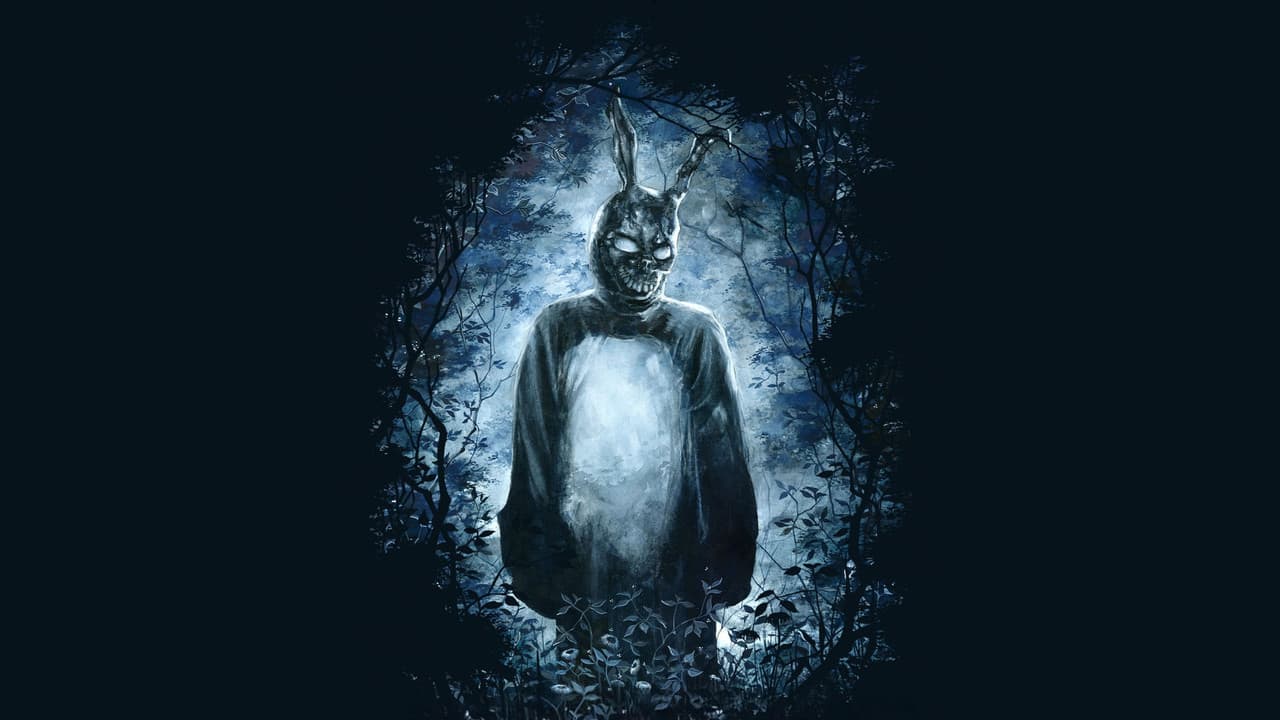
When "Donnie Darko" opened on January 19, 2001, few could have guessed that a moody, 114-minute genre hybrid from first-time director Richard Kelly would become one of the most fiercely debated cult films of its era. The Hollywood Reporter's original review caught the film at that uncertain moment, and a quarter-century later the picture's strange afterlife - endless fan theories, a director's cut, midnight screenings - has only sharpened the questions that review first raised about what audiences were actually watching.
A Troubled Teenager and a Very Unusual Rabbit
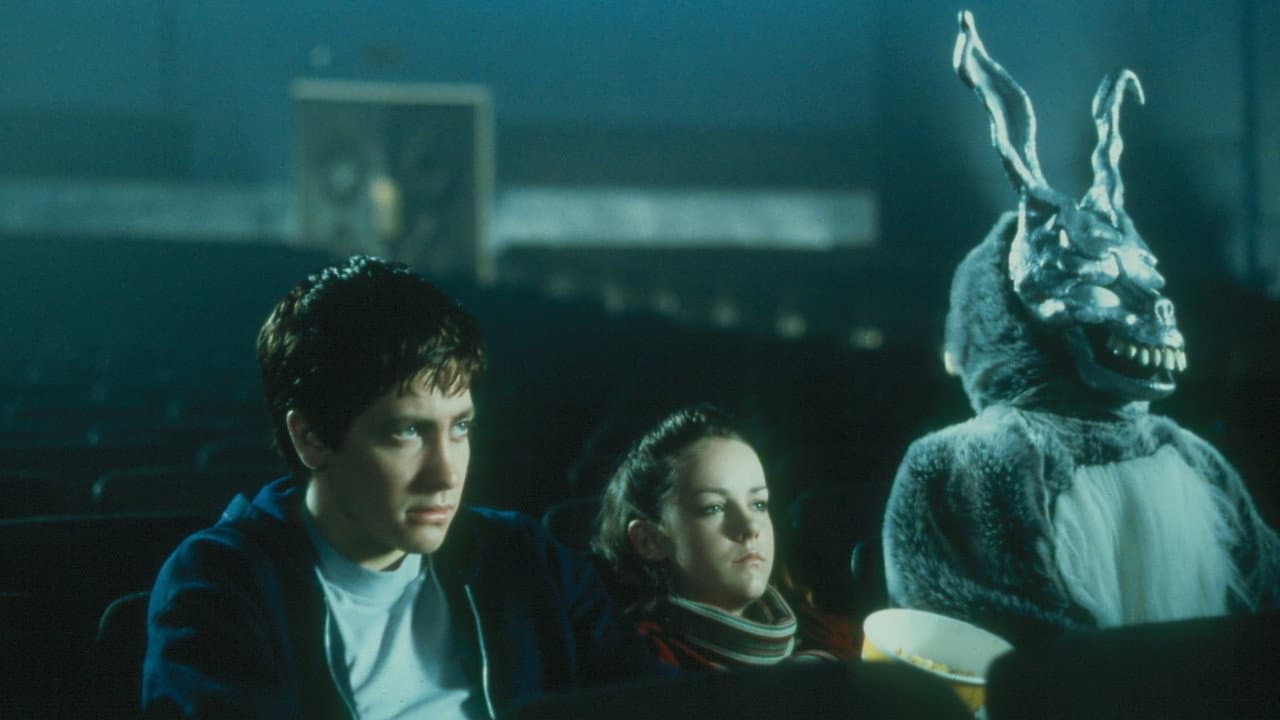
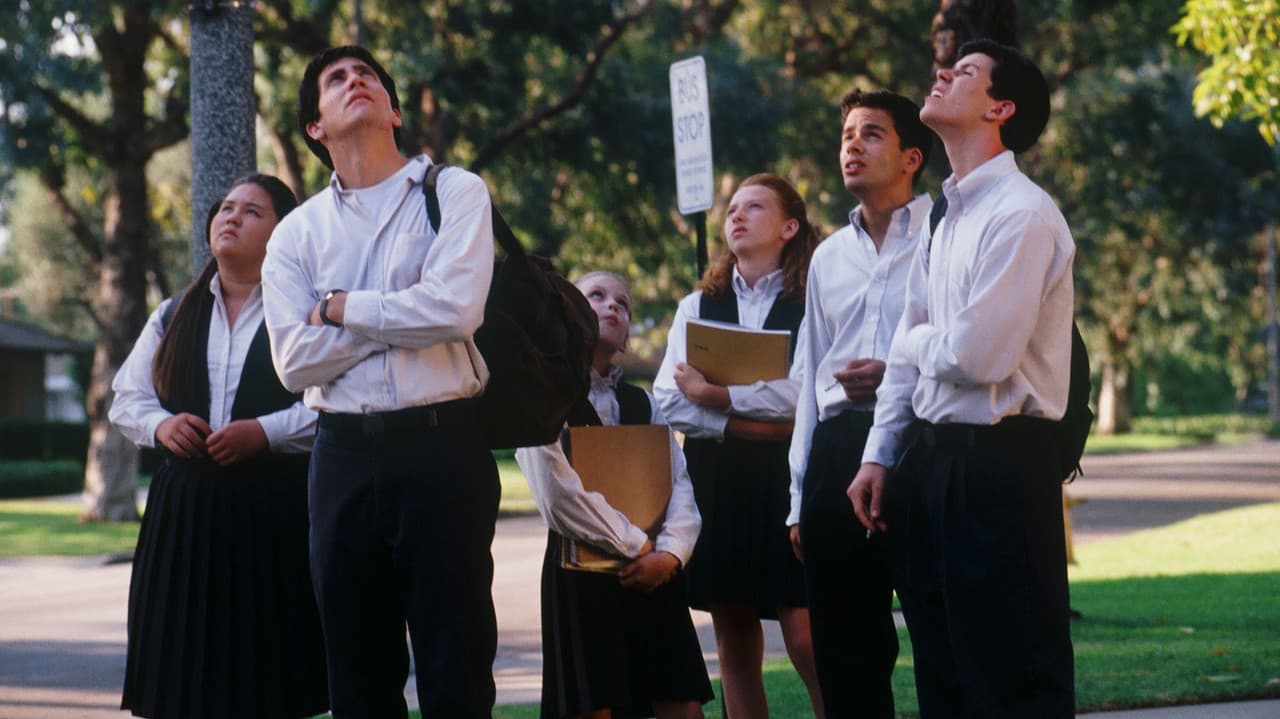
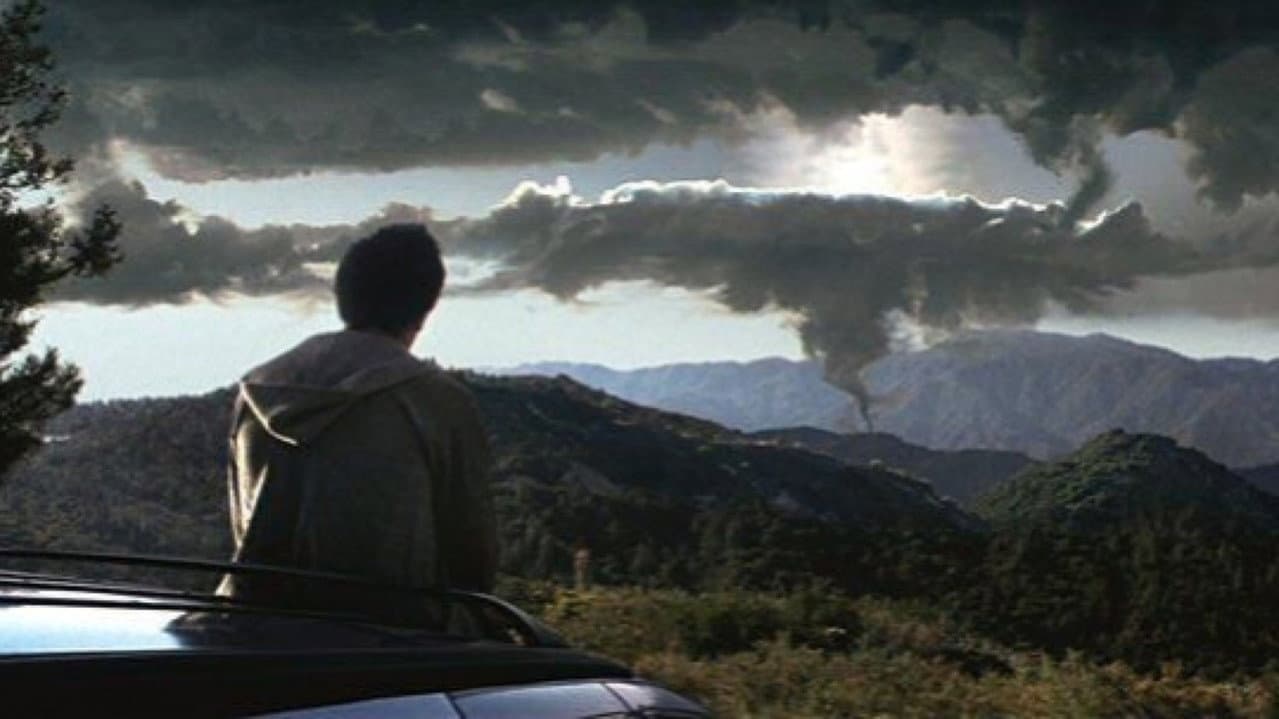
The film centers on Donnie Darko, played by Jake Gyllenhaal, a bright but deeply troubled teenager who survives a bizarre accident by the narrowest of margins. From there, he is haunted by visions of a large bunny rabbit that pushes him toward a series of crimes. Kelly, who wrote the screenplay as well, builds the story at the intersection of fantasy, drama, and mystery, refusing to settle comfortably into any one of those categories.
The supporting ensemble is unusually deep for a debut feature. Jena Malone plays Gretchen Ross, the new girl whose arrival changes Donnie's life; James Duval appears as Frank, the unsettling figure at the heart of Donnie's visions; Drew Barrymore, Beth Grant, Maggie Gyllenhaal, Mary McDonnell, and Holmes Osborne round out the cast. That mix of emerging young talent and established names gave the film a texture that reviewers at the time found difficult to pin down - part suburban satire, part psychological horror, part philosophical puzzle.
What the Original Review Saw
The Hollywood Reporter's 2001 assessment arrived before the film's reputation had crystallized, when "Donnie Darko" was simply a challenging release rather than a cult landmark. The review grappled with a movie that deliberately withholds easy answers, following a protagonist whose reliability is constantly in question and a rabbit whose meaning is never spelled out. Kelly's script layers time-travel logic, teenage alienation, and dark comedy into a single narrative, and the review's central tension was whether those elements cohered or collided.
That ambivalence has aged into something closer to prophecy. The film's genre identity remained slippery enough that audiences have spent years arguing over how to classify it, and the ratings data now attached to it - a 7.76 out of 10 average on TMDb - suggests that whatever confusion the original review registered, viewers eventually made the film their own.
A Cast at a Turning Point
For Gyllenhaal, the role of Donnie Darko arrived early in a career that would later span far broader territory, and the performance remains one of the most frequently cited of his formative years. The film also gave Malone a prominent early part and placed Maggie Gyllenhaal, the lead actor's real-life sister, in the role of Elizabeth Darko - a bit of casting that adds an extra charge to the household scenes.
Barrymore's presence carried particular weight in 2001, both as a cast member and as a name that helped a small, unconventional project secure attention. Grant's Kitty Farmer and McDonnell's Rose Darko anchor the adult world that Donnie alternately disrupts and despairs of, and the film's strength lies in how seriously it takes that domestic backdrop rather than treating it as mere scenery.
A Legacy That Kept Growing
Looking back from 2026, the most striking thing about the THR review is how much of the film's later reputation it anticipated without being able to name it. "Donnie Darko" did not arrive as an obvious classic; it arrived as a puzzle, and puzzles tend to accumulate devotees slowly. The director's cut that followed gave viewers more explicit clues, while the theatrical version preserved the ambiguity that made the film worth revisiting.
Twenty-five years on, the film's premise - a teenager saved from catastrophe and then drawn into a criminal waking dream by a rabbit only he can see - remains as resistant to summary as ever. Kelly never quite returned to the same cultural frequency, but he left behind a debut whose influence can be felt wherever filmmakers mix adolescent anxiety with metaphysical dread.
What the 2001 review ultimately captured was a film demanding patience from an audience not yet primed to give it. The intervening years have supplied that patience in abundance, and "Donnie Darko" now stands less as a curiosity of its release year than as proof that some movies need a decade or two to finish the argument they started.
Source: The Hollywood Reporter