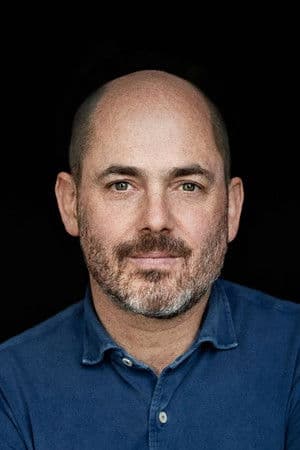
Edward Berger believes the film business spent years resisting a change it should have greeted as a warning. In a wide-ranging conversation about craft and the industry's future, the German director argued that streaming did not dilute cinema so much as force it to reexamine itself, and that the disruption was overdue.
"The movie industry needed Netflix to wake up," Berger said, framing the arrival of the major platforms as a jolt to a business that had grown too comfortable in its habits. His point was less a defense of any single company than a critique of complacency, though he did not pretend the transition had been painless for filmmakers, exhibitors or audiences.
Berger's comments come at a moment when the divide between theatrical and streaming release is once again a live argument among directors, studios and exhibitors. The pandemic years accelerated shifts that were already underway, shrinking exclusive theatrical windows and pushing more titles toward living-room premieres. For Berger, the interesting question is not which side wins but what each format does best.
A Director Who Has Worked on Both Sides
Berger is not an armchair commentator on the subject. He built his career in European television and film before breaking through internationally, and he has since worked across the spectrum, from large-scale productions backed by major players to more intimate projects. That range gives his assessment of the streaming era a practical grounding: he has seen how budgets, schedules and creative freedom shift depending on who is financing the work.
He has also spoken before about the value of the shared theatrical experience, and nothing in his latest remarks suggests he has abandoned that belief. Rather, he seems to argue that the two models can coexist if the industry stops treating them as a zero-sum contest. The mistake, as he describes it, was assuming the old arrangement would last forever.
What Streaming Changed Behind the Camera
Beyond distribution, Berger pointed to subtler effects on the filmmaking process itself. Streaming platforms, he suggested, have expanded opportunities for stories that might once have struggled to find backing, while also introducing new pressures that filmmakers must learn to navigate. The result is a landscape that rewards adaptability.
For younger directors especially, the shift has been double-edged. More doors have opened, but the terms on which projects are greenlit have changed, with data and global reach now weighing more heavily in creative decisions. Berger's remarks reflect a broader unease in the industry about how those priorities shape the films that get made.
His perspective carries weight in part because he has been candid about the craft itself. Known for close attention to performance and atmosphere, Berger has consistently argued that technique must serve story, and he has cautioned against letting technology - whether cameras, effects or distribution platforms - dictate the terms of a film.
The Theatrical Question Remains Open
If there is a tension in Berger's position, it is this: he credits streaming with waking the industry up, yet he remains a champion of the big screen. That apparent contradiction is shared by many working directors, who appreciate the reach of the platforms but worry about what is lost when films are consumed at home, amid distraction and shrinking attention spans.
The debate has practical stakes. Exhibitors have pushed for longer exclusive windows, while studios balance theatrical revenue against the global convenience of streaming premieres. Directors have weighed in on both sides, some insisting that certain films demand a cinema, others welcoming the wider audience that streaming delivers.
Berger did not offer a prescription for resolving that argument, and he was careful not to frame the platforms as either savior or villain. His message was closer to a challenge: the industry should treat disruption as a reason to improve, not merely to defend old ground.
A Conversation That Extends Beyond One Director
Berger's remarks land in the middle of a wider conversation about what the next decade of filmmaking looks like. With production costs rising, theatrical attendance still uneven, and streaming services recalibrating their spending, the certainties of even a few years ago have faded. Directors are being asked to be flexible in ways their predecessors rarely were.
For Berger, that flexibility is a feature of the current moment rather than a flaw. The industry, in his view, was overdue for a reckoning, and the platforms delivered one. What happens next depends on whether filmmakers and executives take the lesson seriously.
His comments are likely to keep circulating among those who see streaming as both opportunity and threat. That Berger can hold both ideas at once - and argue that the shake-up was necessary - may be the most useful contribution to a debate that too often reduces to slogans.
Source: The Hollywood Reporter