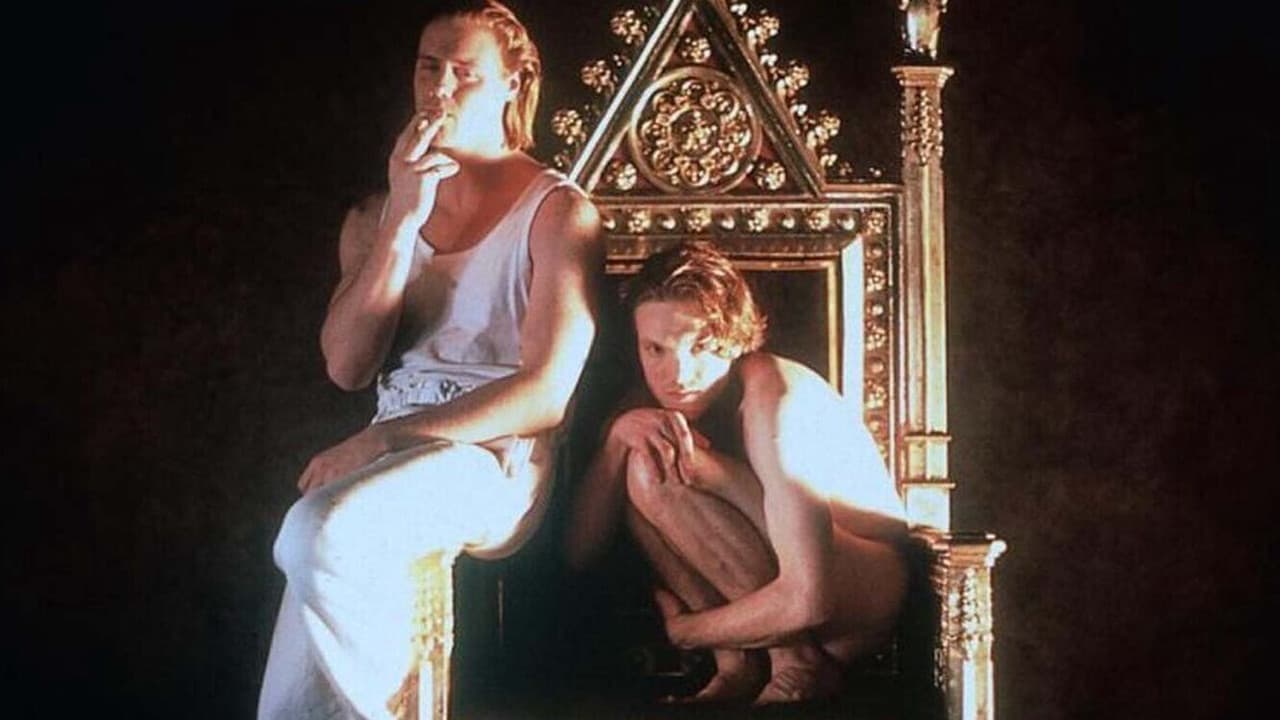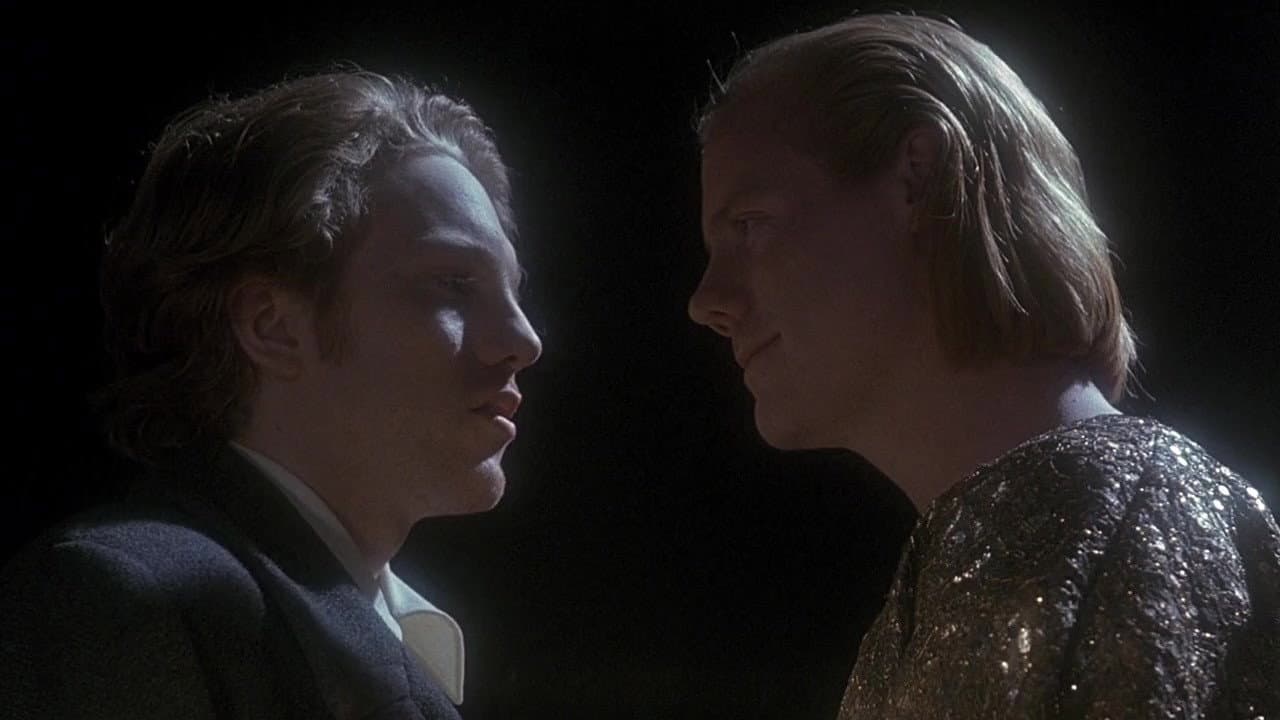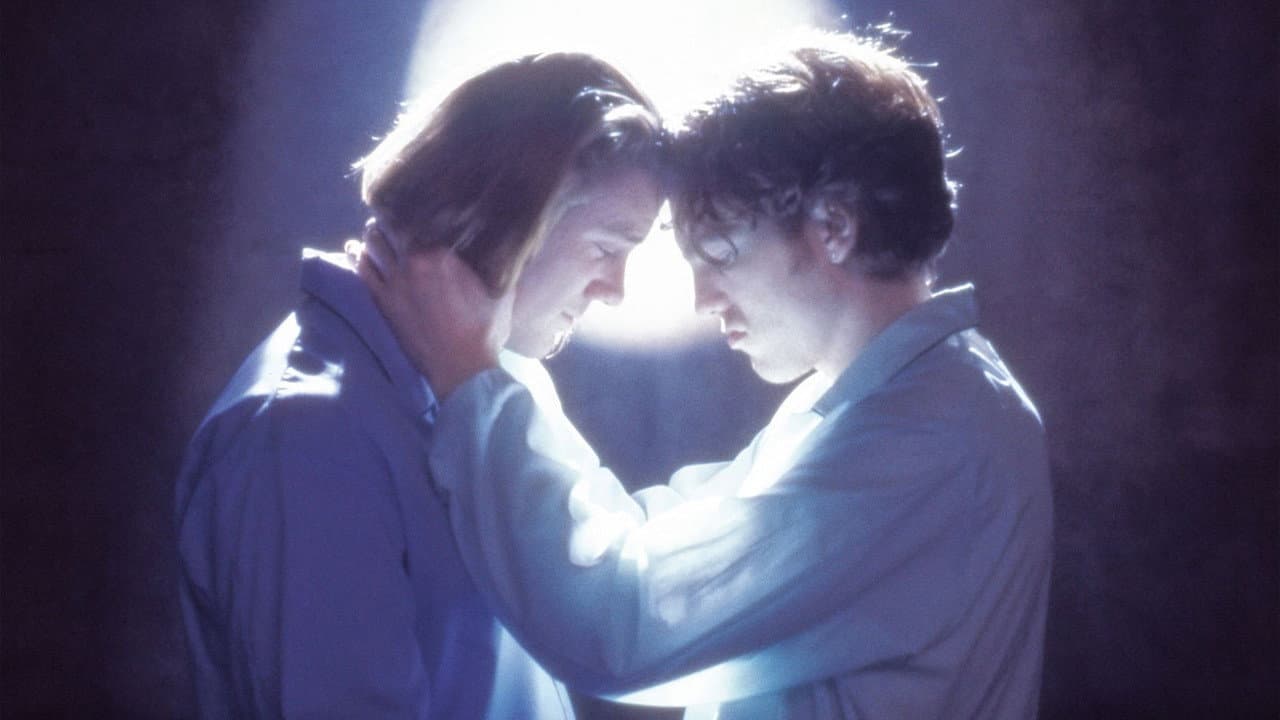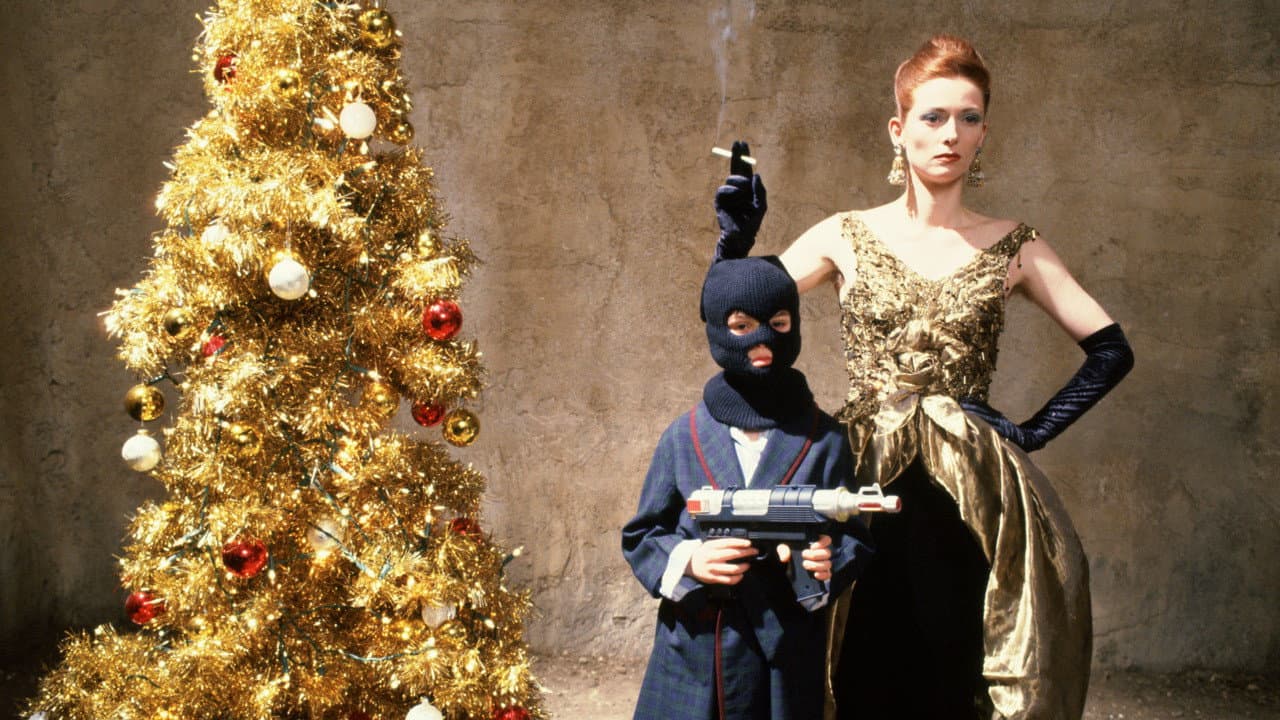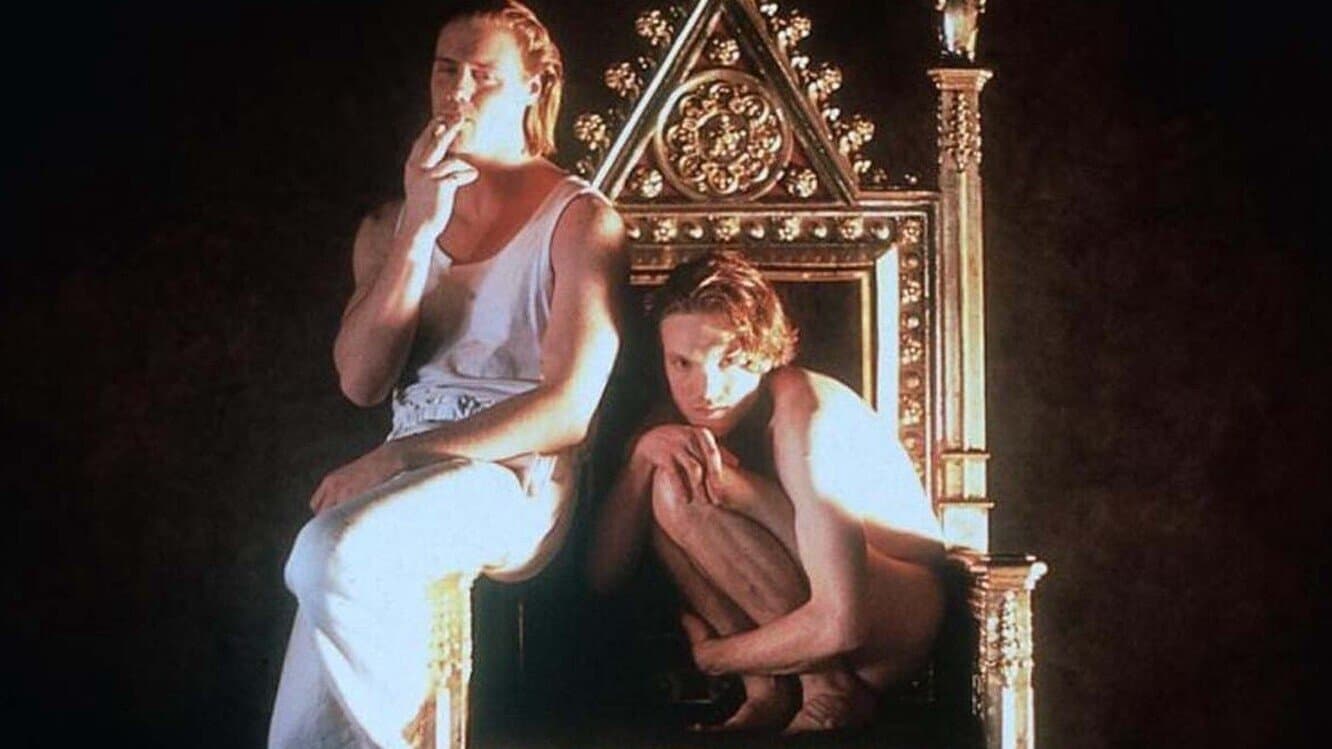
Derek Jarman's 1991 feature Edward II remains one of the most audacious acts of historical ventriloquism in modern cinema, and a new critical reappraisal is drawing fresh attention to both the film's craft and the era of queer-rights backlash that shaped it. The film, which runs a compact 90 minutes, dramatizes the 14th-century reign of England's Edward II and his ruinous devotion to Piers Gaveston, a young man of humble origins whom the king elevates with favors and titles of nobility. That bond sets off a chain of conspiracies: the cold and jealous Queen Isabella aligns with the scheming Roger Mortimer to remove Gaveston, depose her husband, and seize power for themselves.
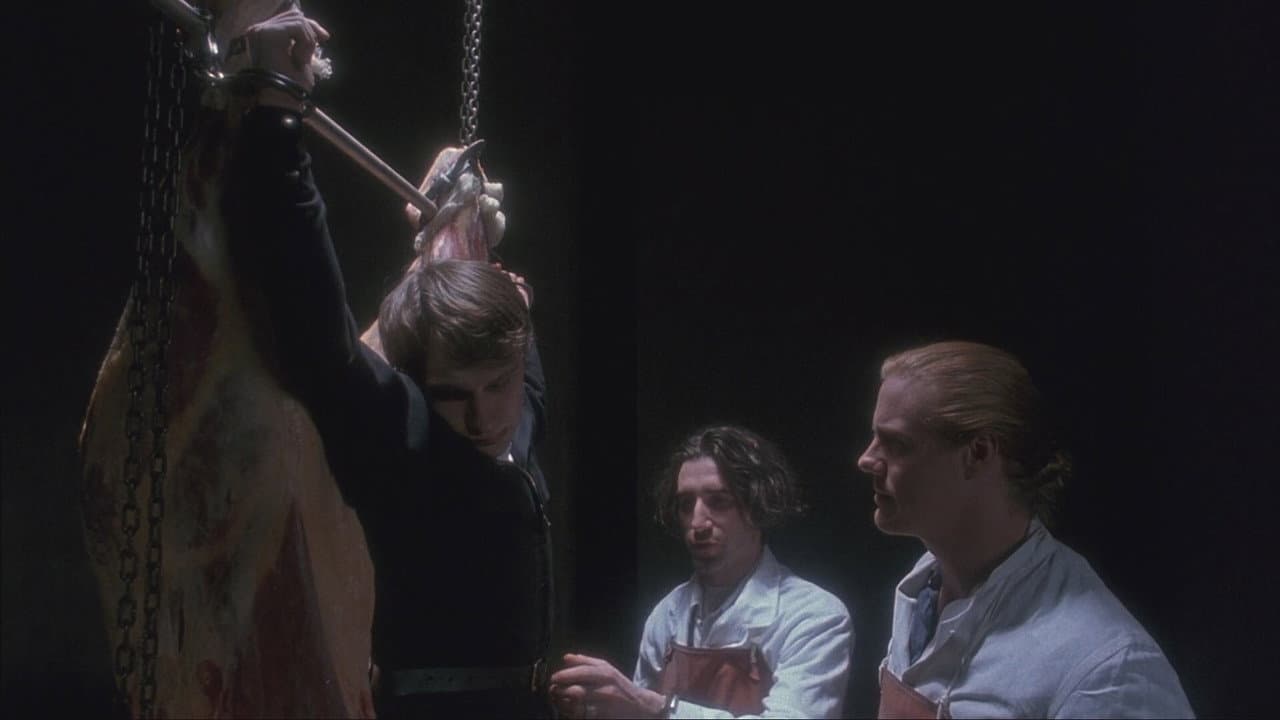
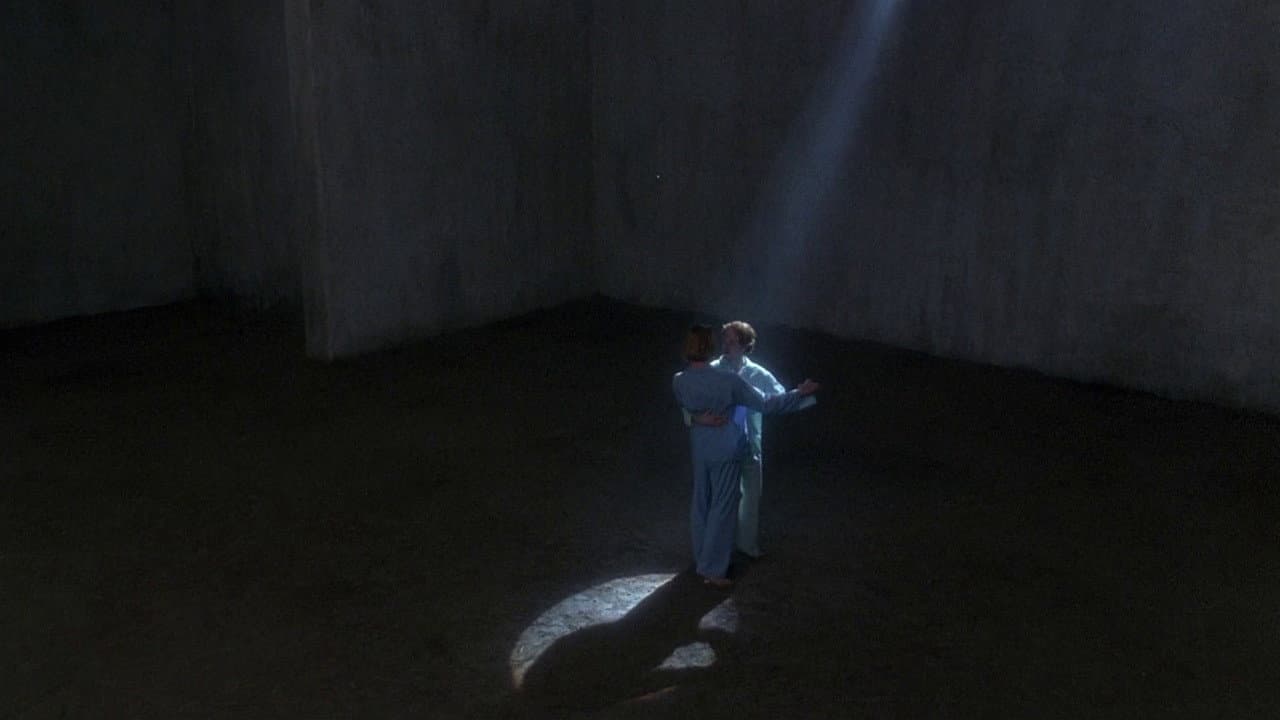
Jarman, who died of AIDS-related complications in 1994, made the film while Britain was roiled by Section 28, the notorious amendment that barred local authorities from "promoting" homosexuality. That context is inseparable from the movie's design. Jarman strips away the cosy trappings of heritage cinema and stages Christopher Marlowe's play in a stark, deliberately anachronistic present tense - modern dress, military fatigues, protest placards, and a chorus of activists who storm the action. The effect collapses six centuries of distance and insists that the persecution of Edward and Gaveston is not a remote historical curiosity but a live political template.
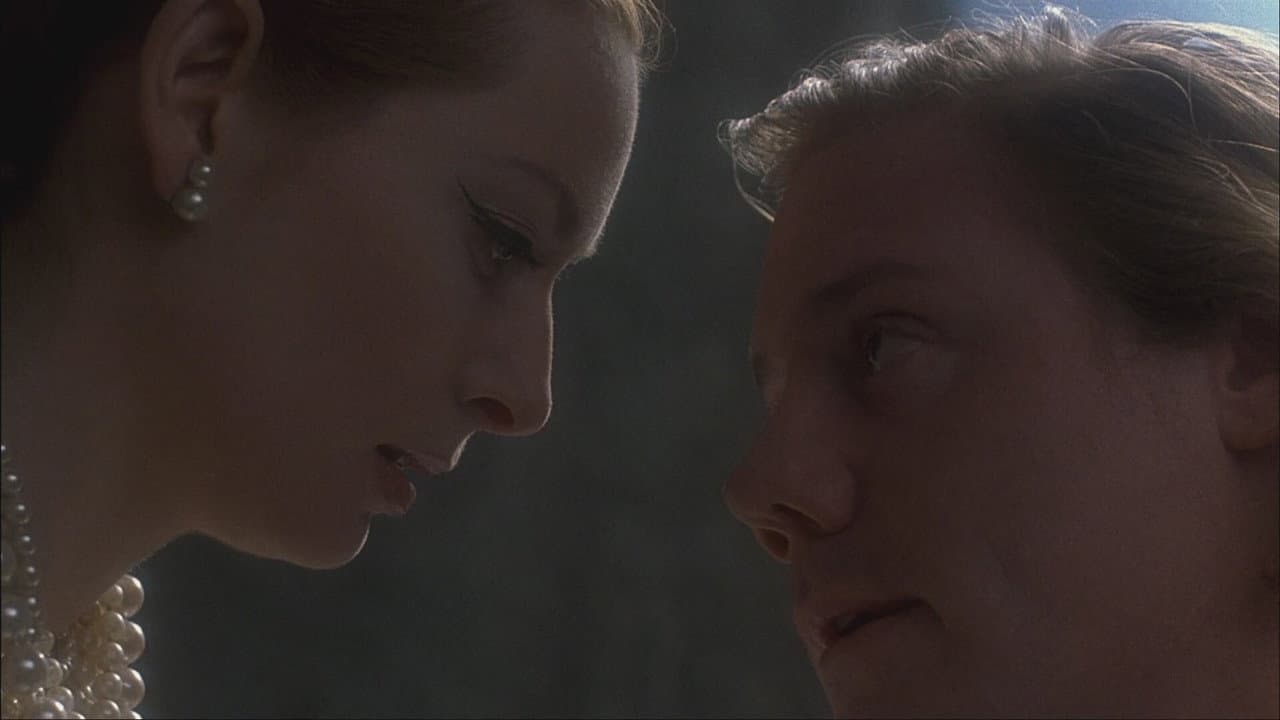
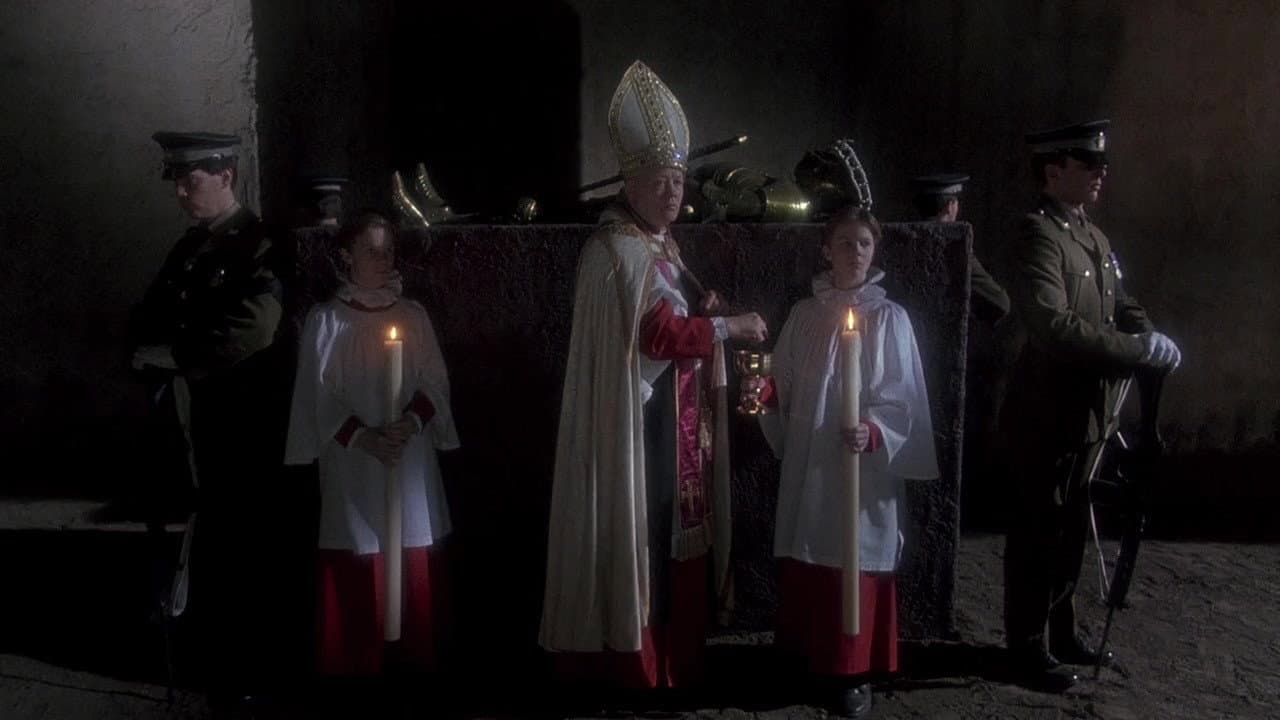
The cast is led by Steven Waddington as Edward II, whose portrayal moves between regal entitlement and raw need, and Andrew Tiernan as Gaveston, the favorite whose rise provokes the barons' fury. Tilda Swinton delivers a career-defining turn as Isabella, a queen whose jealousy curdles into strategic cruelty - a performance that helped establish the long Jarman-Swinton partnership. Nigel Terry plays the conspiratorial Mortimer with chilly assurance, while John Lynch appears as Spencer, Dudley Sutton as the Bishop of Winchester, Jerome Flynn as Kent, and Jody Graber as Prince Edward. The ensemble brings a theatrical precision to a film that is anything but stage-bound; Jarman and his longtime collaborators use close-ups and overlapping sound to create a pressure-cooker intimacy.
Genre-wise, the film is usually filed under History, Romance, and Drama, and it earns all three labels while satisfying none of them conventionally. It is a romance in the sense that Edward and Gaveston's love is the engine of every catastrophe; a history play in its fidelity to Marlowe's arc of royal self-destruction; and a drama in the electric, confrontational sense Jarman practiced throughout his career. Its TMDb rating sits at 6.3/10, a modest figure that likely reflects the film's difficulty as much as its reputation - audiences expecting a traditional period piece may find instead a jagged, essayistic provocation.
A Historical Snapshot of a Backlash
What makes Edward II newly urgent is the way it doubles as a document of queer politics at a specific flashpoint. The film arrived after a decade of AIDS crisis devastation and government indifference, and in the middle of a cultural war over whether queer lives could be represented at all in schools and public institutions. Jarman responded not with documentary but with allegory, using Marlowe's tragedy to argue that the machinery of homophobic panic - the barons, the church, the scorned royal wife - is recycled whenever queer people gain visibility or power.
The film's most quoted conceit is its ending, which Jarman rewrites to fold in a contemporary protest and a fleeting image of hope. Without spoiling the staging for newcomers, the final sequence transforms Edward's murder into a call to resistance, blurring the line between medieval martyrdom and modern activism. It is a gambit that could have felt didactic; instead it lands as grief transmuted into defiance, which is the signature mode of Jarman's late work.
Why It Still Matters
Three decades on, Edward II functions as both an entry point to Jarman's filmography and a case study in adapting canonical theater without reverence. It refuses the museum-piece approach that dominates so many royal dramas; its 90 minutes are restless, argumentative, and formally bold. For viewers encountering it for the first time, the film offers a reminder that the "timely" in historical drama is often a matter of directorial nerve - the willingness to tell an old story as if the stakes were right now.
USA Film News will continue to follow new restorations, repertory screenings, and critical reassessments of Jarman's work as they are announced.
Source: The Hollywood Reporter