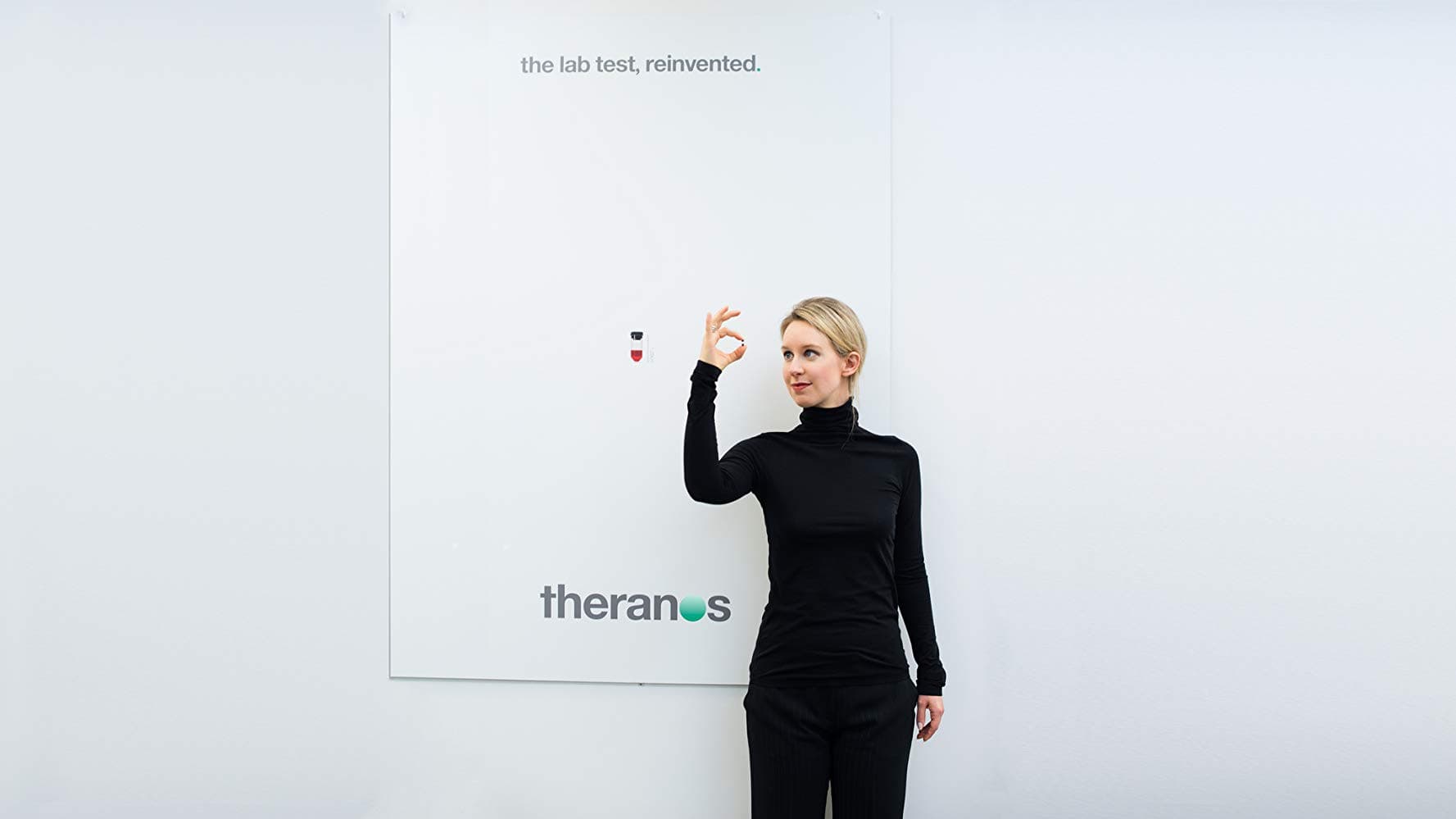
The Motion Picture Association's ratings board has handed an R rating to a forthcoming documentary about Elizabeth Holmes, citing "graphic nudity" among the reasons for the restrictive classification. The decision, which also points to language and thematic content, arrives as the film industry continues to wrestle with how explicitly true-crime projects should depict the lives of their subjects. The documentary, which examines the rise and fall of the Theranos founder, is expected to carry the adults-only designation into its theatrical and streaming release, limiting the audience that can see it without a parent or guardian.
Few nonfiction films receive an R rating, and fewer still earn one for nudity. The classification puts the Holmes documentary in rare company, alongside a small group of documentaries that have pushed against the assumption that the genre is inherently family-friendly. Ratings boards generally apply the same standards to documentaries as they do to narrative features, meaning a single unblurred image can trigger the same R that a scripted thriller might receive for violence or drug use. That consistency, distributors argue, can complicate the marketing of serious journalistic work.
The rating reflects the film's apparent choice to include material that many broadcast documentaries would blur, crop, or leave on the cutting-room floor. Even so, the "graphic nudity" descriptor is unusual enough that it is likely to draw more attention than the film's actual treatment of the subject. For a documentary about corporate fraud and Silicon Valley ambition, the label risks becoming the story rather than the scandal it chronicles.
A Subject Already Steeped in Notoriety
Holmes founded Theranos in 2003 and promised a technology that could run hundreds of medical tests from a single finger-prick of blood. The company reached a valuation in the billions before investigations by journalists and regulators revealed that its devices could not deliver on those claims. Holmes was later convicted on federal fraud charges and sentenced to prison, a fall documented in books, podcasts, and a scripted television adaptation. The new documentary adds another entry to a crowded field, and its makers presumably believe the unvarnished approach justifies the R rating.
What an R Rating Means at the Box Office
An R rating is not a death sentence. Several documentaries with adult content have found substantial audiences, particularly on streaming platforms where parental controls, rather than theater ushers, govern access. But it does close off high school screenings, which have historically been a reliable venue for true-crime and business documentaries. Educators who might have used a Theranos film to teach ethics or entrepreneurship will now need to consider whether excerpts, rather than a full screening, are appropriate. The rating also affects placement on some airline and hotel entertainment systems, which routinely strip R-rated titles from their libraries.
The practical consequence is that the film will reach viewers who seek it out, not those who stumble across it. That may suit the filmmakers. Documentaries about fraud often aim to provoke rather than reassure, and an R rating can signal seriousness of intent to adult audiences. Whether the nudity serves the reporting or merely inflames the marketing is a question critics will answer once they see the finished film.
A Broader Debate About Documentary Standards
The rating lands amid an ongoing conversation about how much graphic material nonfiction films should include. Some documentarians argue that sanitizing images of death, addiction, or exploitation weakens the work and shields viewers from reality. Others counter that explicit content can overwhelm the reporting it is meant to support, turning audiences away from stories that need to be seen. Ratings boards rarely explain their reasoning beyond a short list of descriptors, leaving filmmakers and distributors to interpret what triggered a particular classification.
For now, the Holmes documentary carries a label that guarantees curiosity. The film's distributor has not announced a release date, and the ratings board's citation stands as the most concrete piece of news about the project so far. What remains to be seen is whether audiences will remember the documentary for its reporting on one of the most scrutinized corporate collapses of the past decade, or for the three words the ratings board chose to describe it.
Source: The Hollywood Reporter