Ellen Burstyn was already a two-time Oscar nominee when she walked into a meeting that would alter the course of her career - but the moment she knew she had truly arrived in Hollywood came years earlier, in the presence of Marilyn Monroe. Speaking with USA Film News ahead of a retrospective of her 1974 breakthrough Alice Doesn't Live Here Anymore, the actress recounted being “recognized” by the screen legend early in her career, a fleeting encounter that validated her place among the industry’s elite.
“I was young, and I was standing at some industry function, trying to look like I belonged there,” Burstyn said. “Marilyn walked over and said she knew my work. I was stunned - completely stunned. She didn’t have to do that. She had nothing to gain. But she saw me as a peer, and for a girl from Detroit who had been scraping by for years, that moment meant everything.”
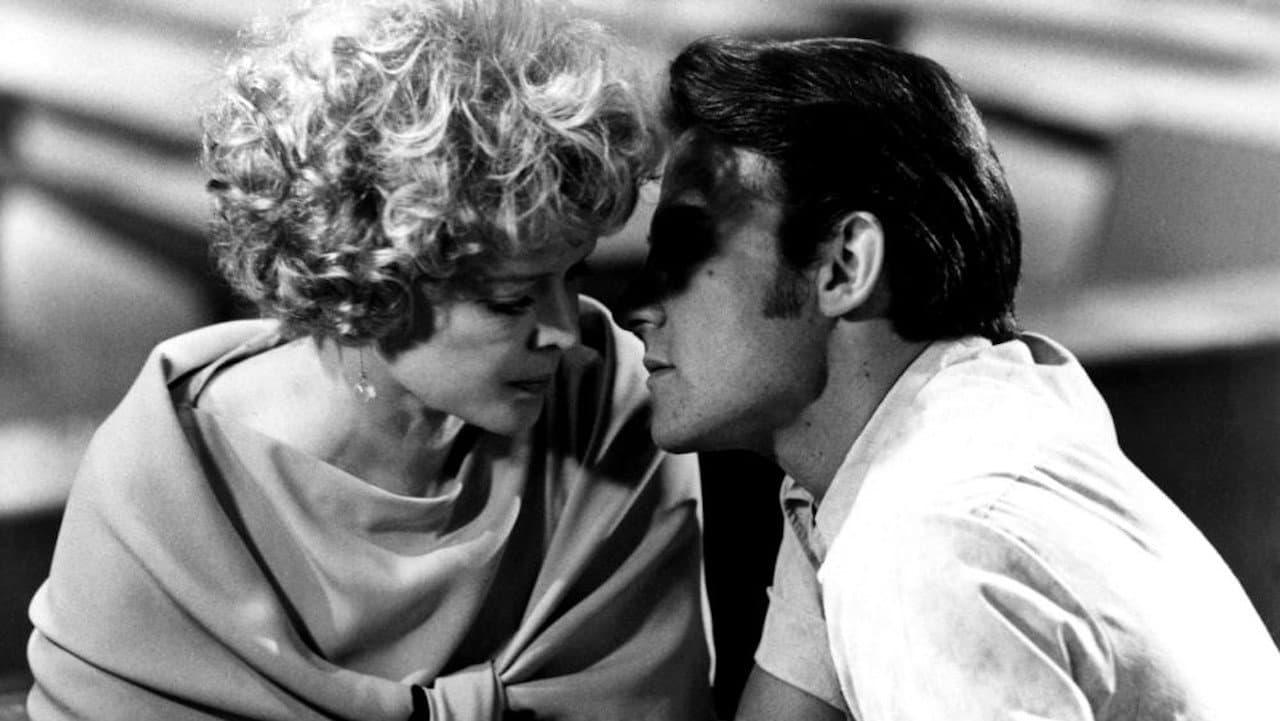
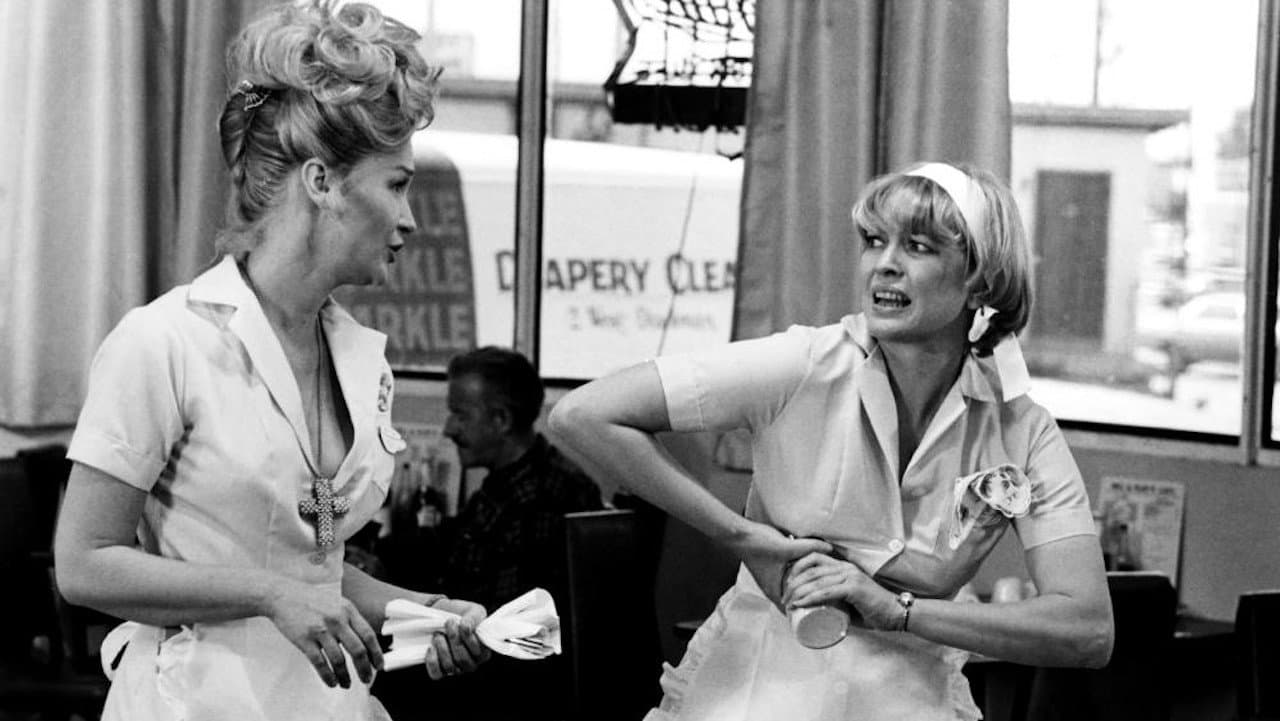
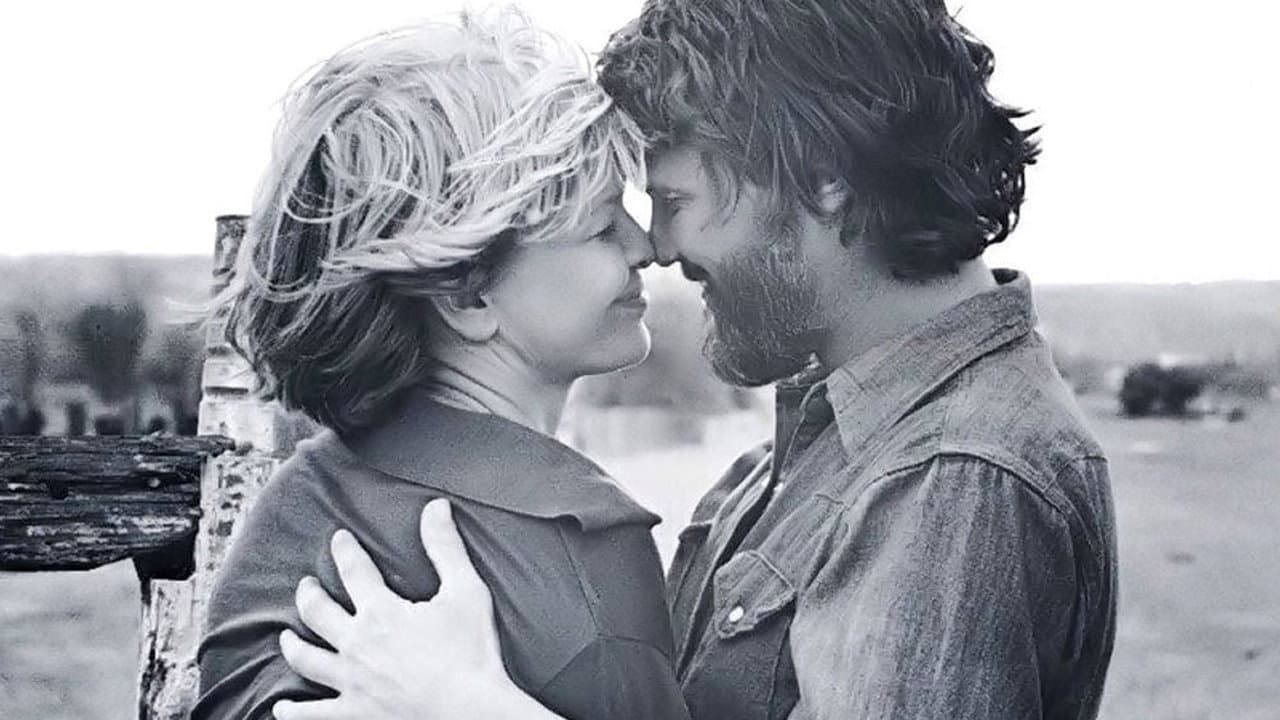
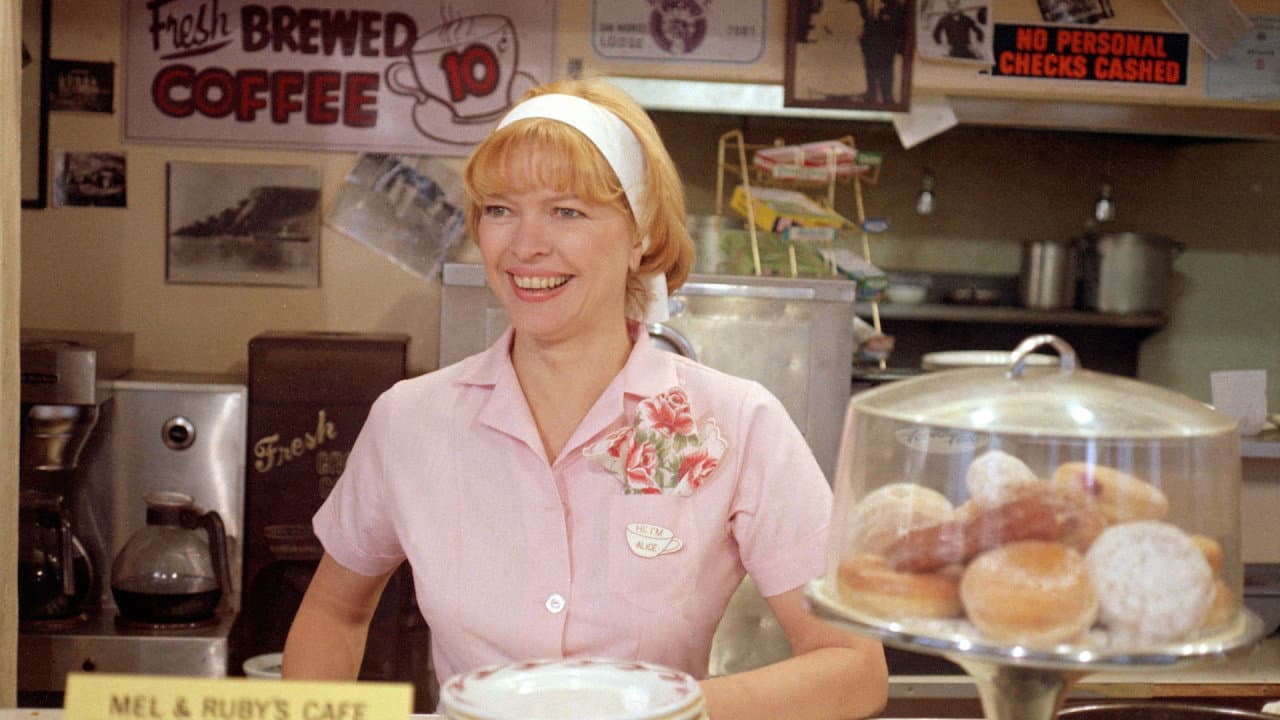
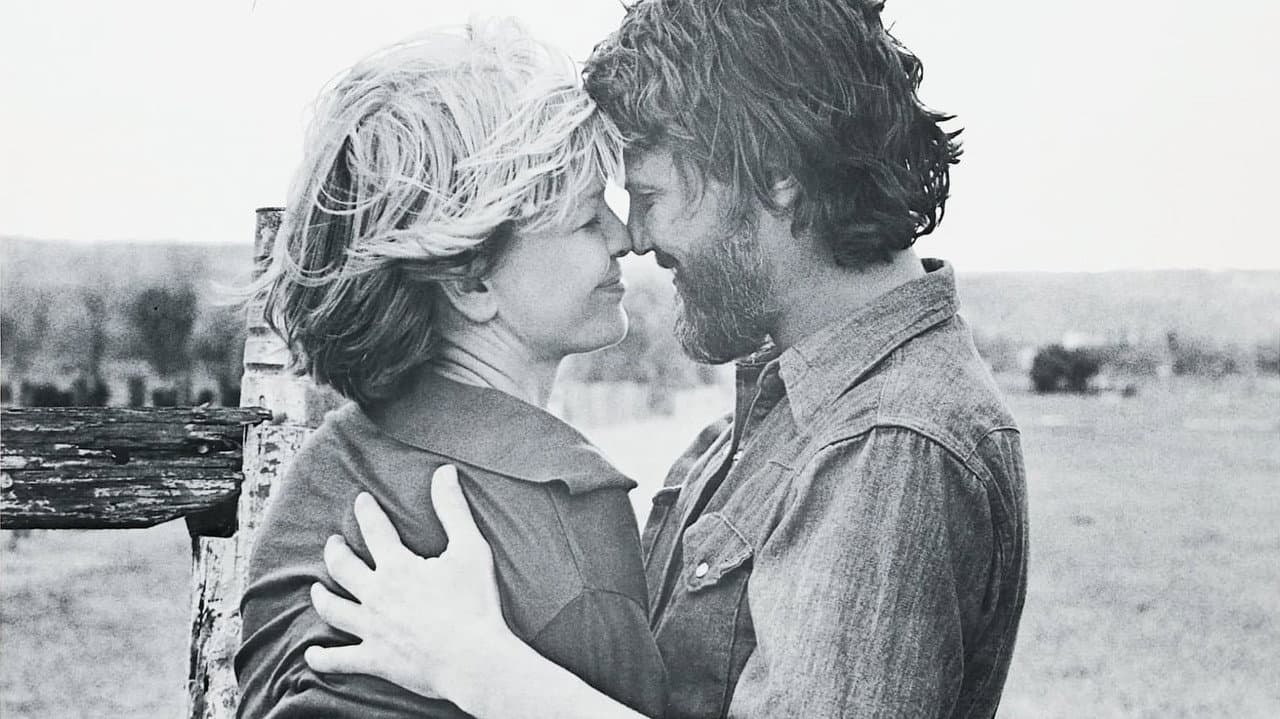
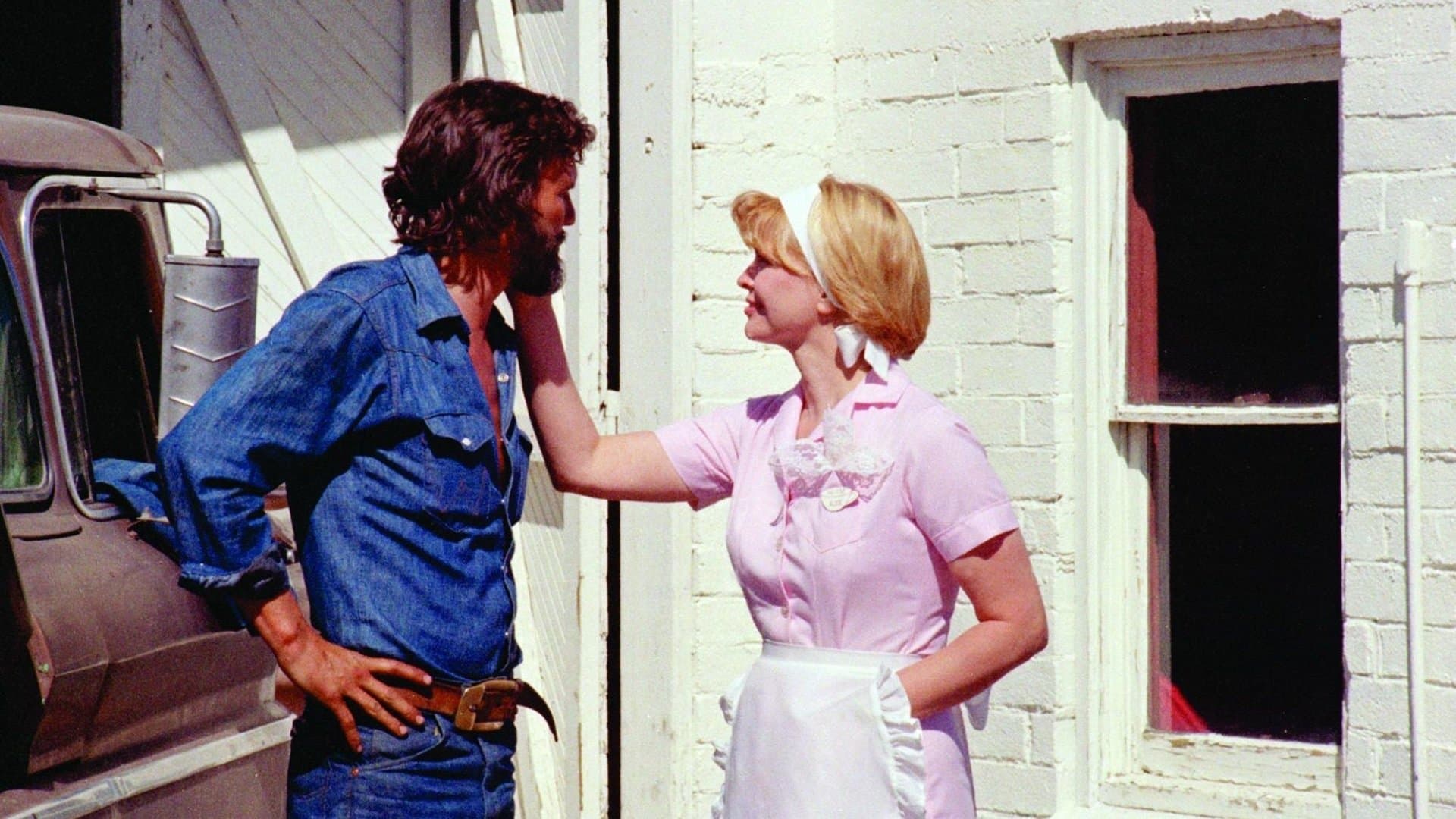
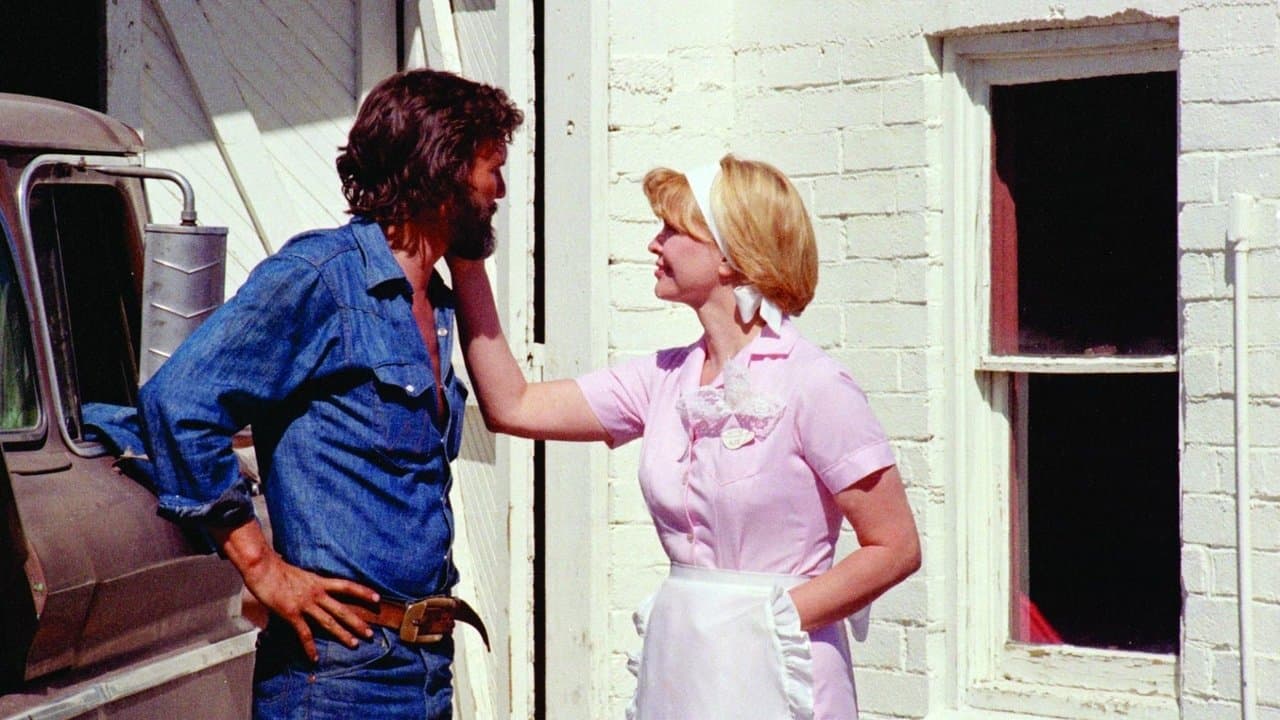
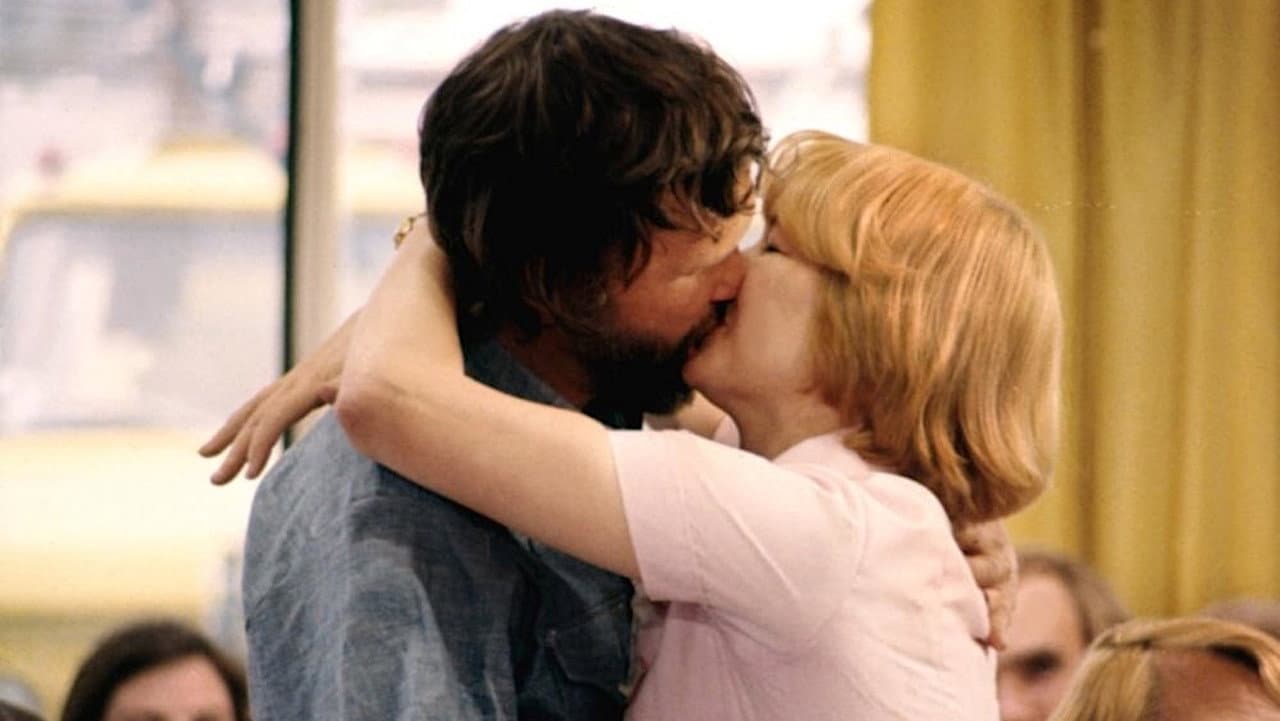
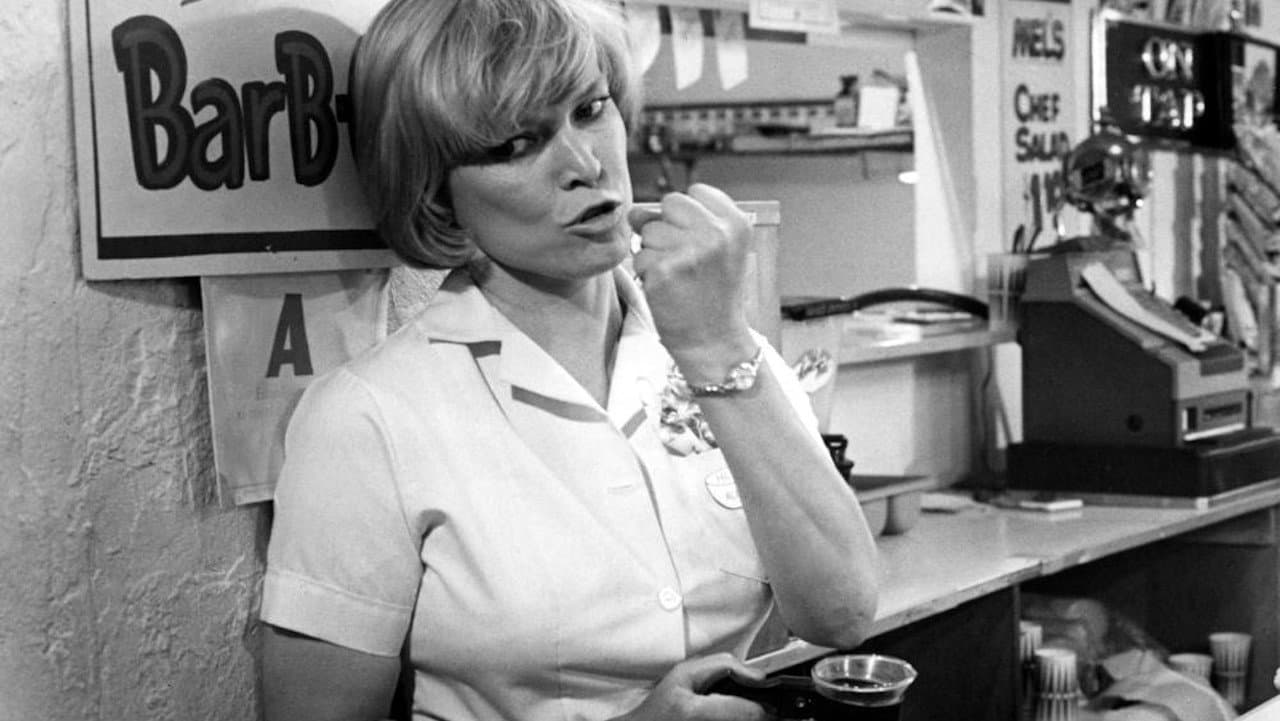
Burstyn’s journey from that encounter to the role that redefined her public image was circuitous. Though she had earned critical notice for earlier films, it was director Martin Scorsese who gave her the vehicle that would cement her legacy. Alice Doesn't Live Here Anymore, released on December 9, 1974, follows the titular Alice Hyatt (Burstyn), who, reeling from the sudden death of her husband Donald (Billy Green Bush), packs up her young son Tommy (Alfred Lutter) and leaves their small New Mexico town with dreams of a singing career in California. Financial pressures reroute them to Arizona, where Alice swallows her pride to take a job as a diner waitress, navigating romance and hardship alongside fellow servers including Flo (Diane Ladd) and Bea (Lelia Goldoni). Her path crosses with a kind but complicated rancher named David (Kris Kristofferson) and the volatile Ben Eberhardt (Harvey Keitel), while Jodie Foster appears as a young girl named Audrey.
What made the film a watershed, Burstyn argues, was less about its plot than its philosophy. At a moment when Hollywood largely relegated women to supporting roles as wives, girlfriends, or victims, Alice Doesn't Live Here Anymore placed a flawed, resilient, midlife woman at the center of her own story - neither glamorized nor punished for her desires. Burstyn was intimately involved in the development of the script, working with screenwriter Robert Getchell to shape Alice as a woman whose survival instincts coexist with vulnerability.
“Roles for women on screen then were so narrow - you were either the good wife or the bad girl,” Burstyn said. “But real women aren’t like that. We get angry. We make bad choices. We change our minds. Alice was allowed to be messy and full of contradictions, and that’s why audiences connected with her. She wasn’t an idea of a woman; she was a woman.”
Scorsese, known primarily at the time for gritty male-driven pictures like Mean Streets, proved an inspired if unexpected collaborator. Burstyn recalled a director who was still finding his voice but brought an unerring ear for emotional authenticity. The 112-minute drama, which balances romance with grounded realism, was shot entirely in English on Hollywood soundstages and Arizona locations, wrapping in 1974 under the banner of Warner Bros. It earned Burstyn the Academy Award for Best Actress, along with a BAFTA nomination, and the film itself was recognized as a landmark in the new wave of American cinema.
The performance also cemented Burstyn’s reputation as an actress who refused to be boxed in. Following Alice, she delivered another Oscar-nominated turn in Same Time, Next Year and went on to The Exorcist, Requiem for a Dream, and Interstellar, a career defined by restless reinvention. Looking back, Burstyn credits the Monroe moment - brief, unexpected, and generous - as an early lesson in the value of mutual recognition within a competitive industry.
“Marilyn could have ignored me. Most people did back then,” Burstyn said. “But she chose to see me. And when I portrayed Alice, I tried to do the same for that character - see her fully, without judgment, and bring that honesty to the screen.”
The film’s legacy has only grown in the five decades since. Its depiction of a working mother’s struggle for agency previewed the women’s movement on screen, and its portrait of the dynamics among the diner’s waitresses set a template for female ensemble films that followed. The TMDb audience rating of 6.966 out of 10 reflects a generational divide - older viewers champion its warmth, while younger ones sometimes note its tonal shifts - but scholars consistently cite it as a foundational text in both Scorsese’s filmography and Burstyn’s body of work.
Burstyn, now in her early nineties, remains active in the industry, teaching and mentoring emerging actresses. She says the lessons of Alice Doesn't Live Here Anymore are more relevant than ever, even as the landscape has shifted.
“We still have a long way to go, but the gate has been opened,” she said. “When I see the roles available to women today - complicated, unfiltered characters with interior lives - I think about the women who fought for that space. And I think about Marilyn, who saw me before I saw myself. Recognition, true recognition, is a gift. You pass it on, or it wasn’t real.”
Source: The Hollywood Reporter