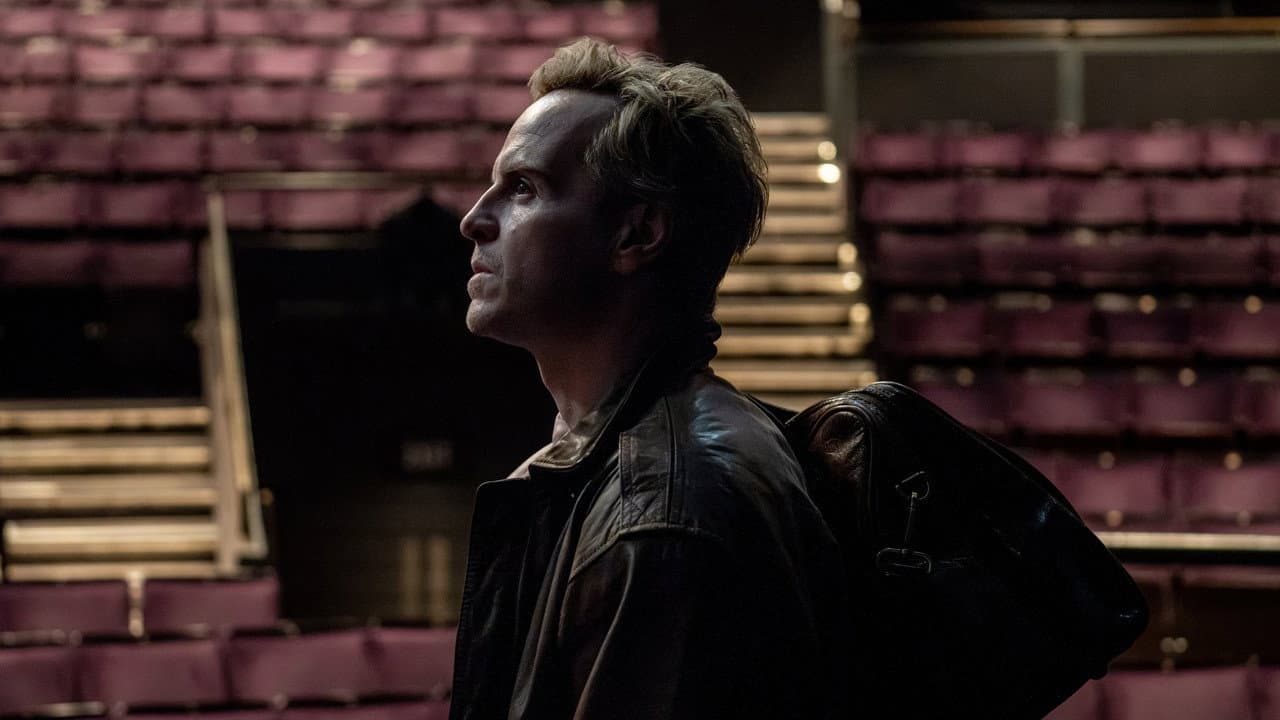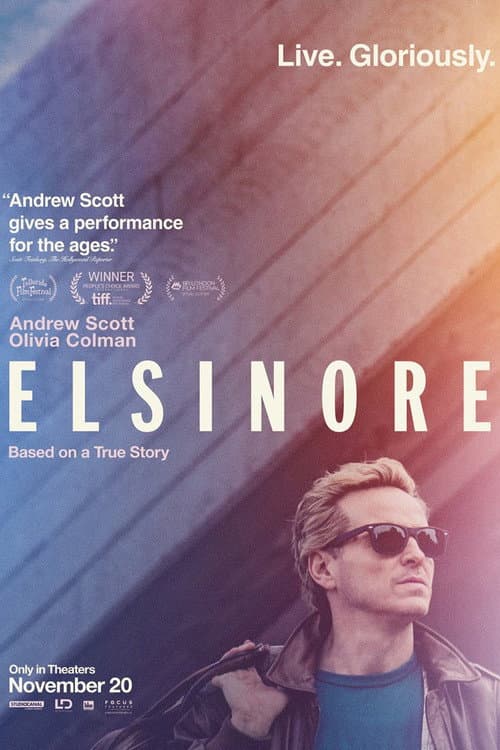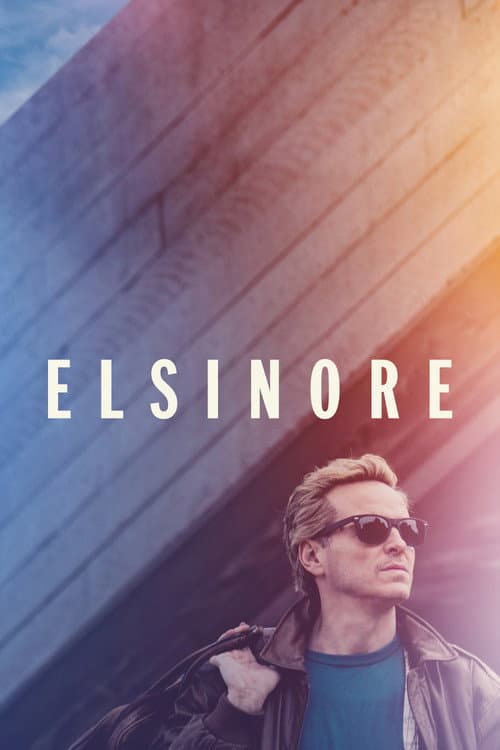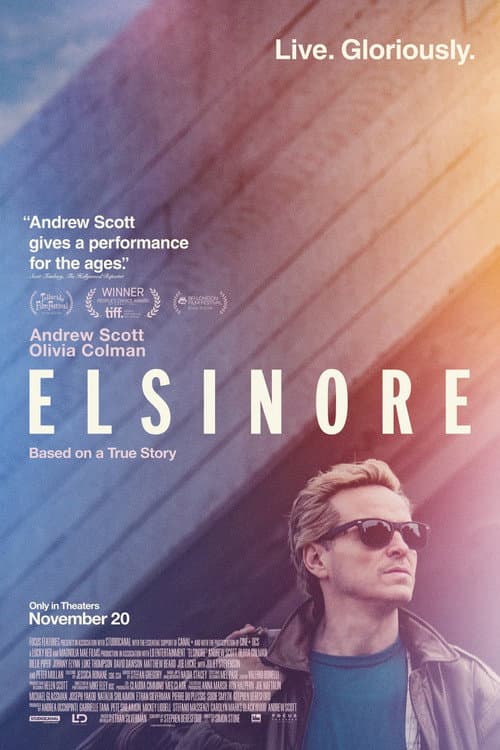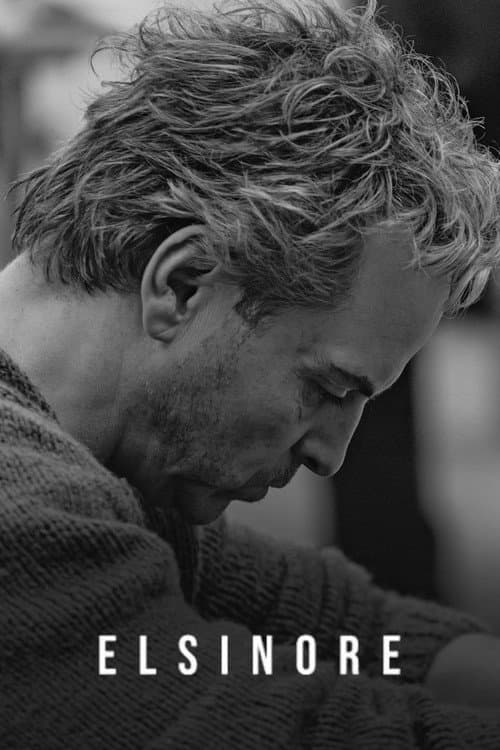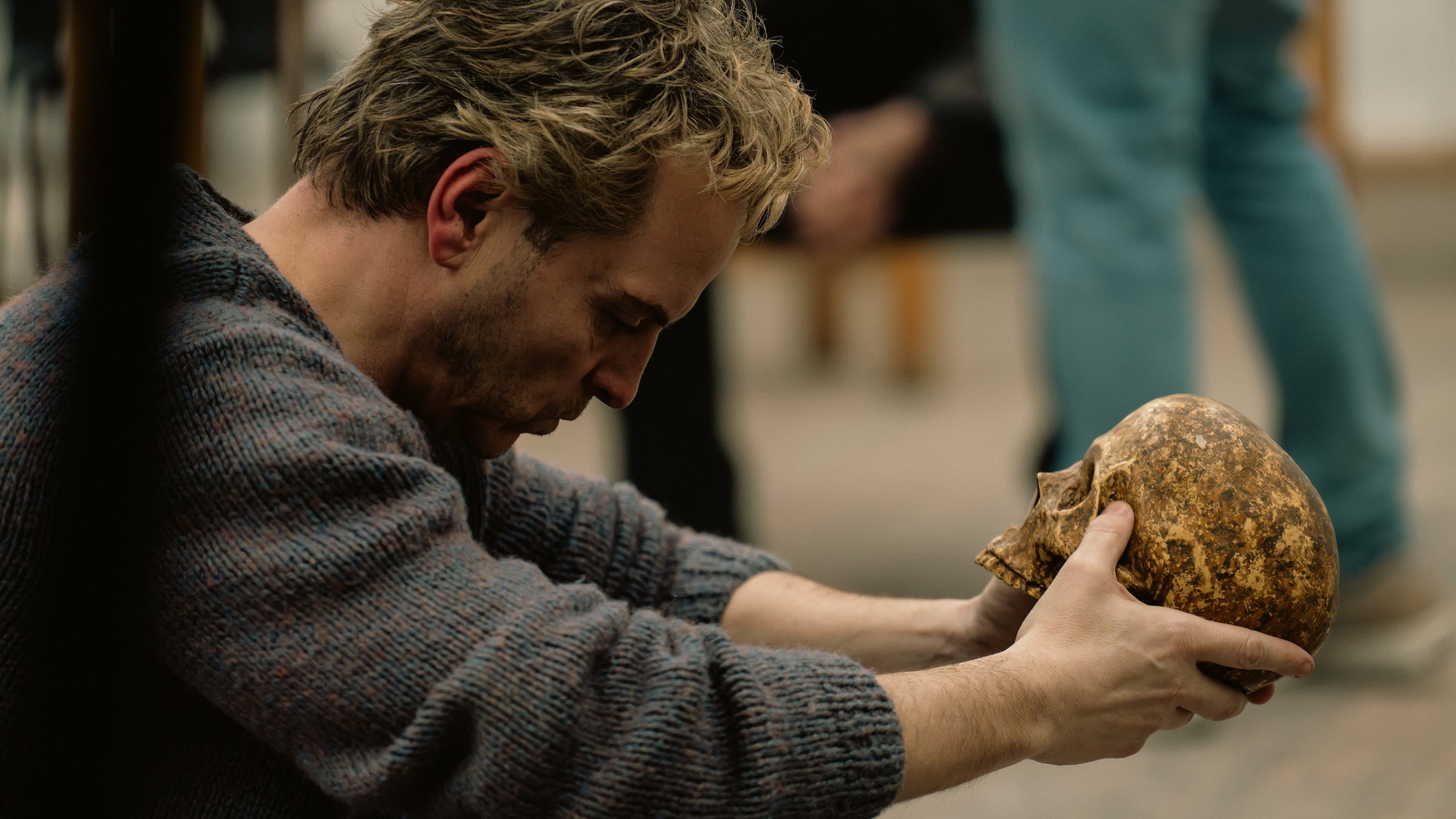
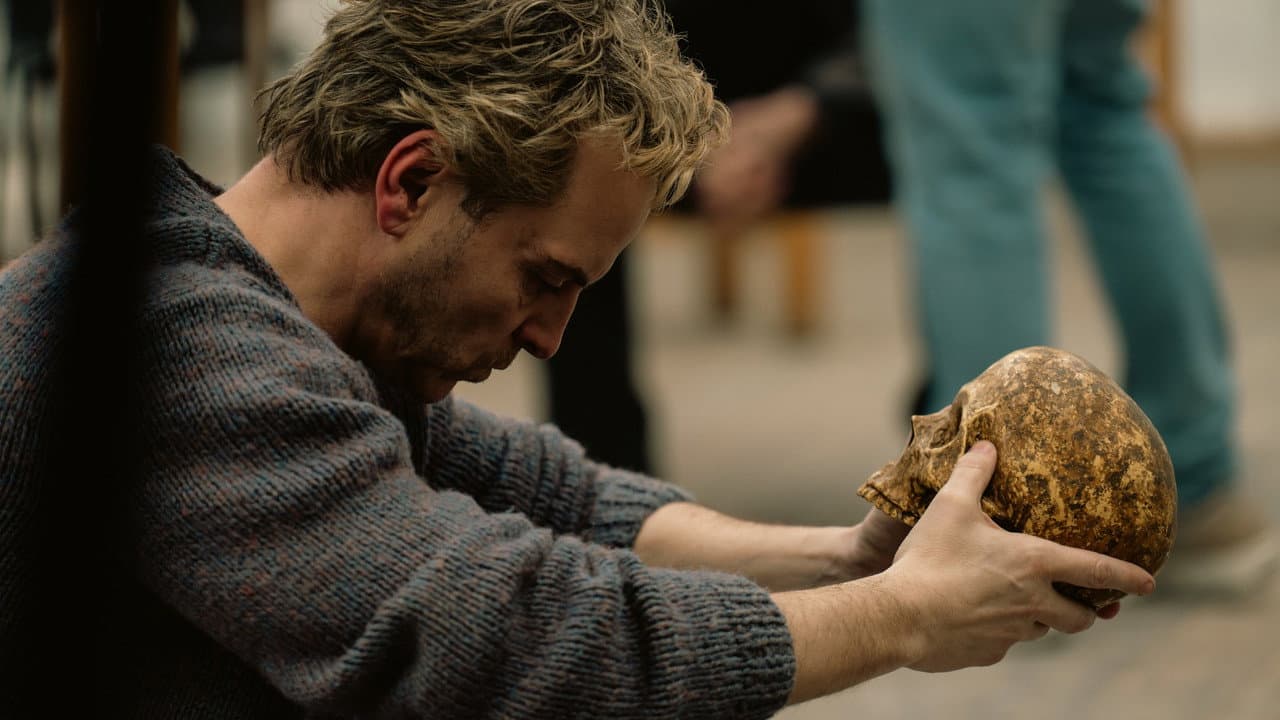

Andrew Scott is having a moment of unguarded gratitude. The Irish actor, long regarded as one of the most versatile performers of his generation, stars as Ian Charleson in "Elsinore," Simon Stone's drama about the final chapter of the Scottish actor's life. The film, which arrives in theaters on November 20, casts Scott as a man confronting his own mortality while preparing to perform one of the most demanding roles in the classical repertoire. In a wide-ranging conversation, Scott spoke candidly about the project, his relationship to his own career, and what it means to be an out gay actor working at the top of his profession in 2026.
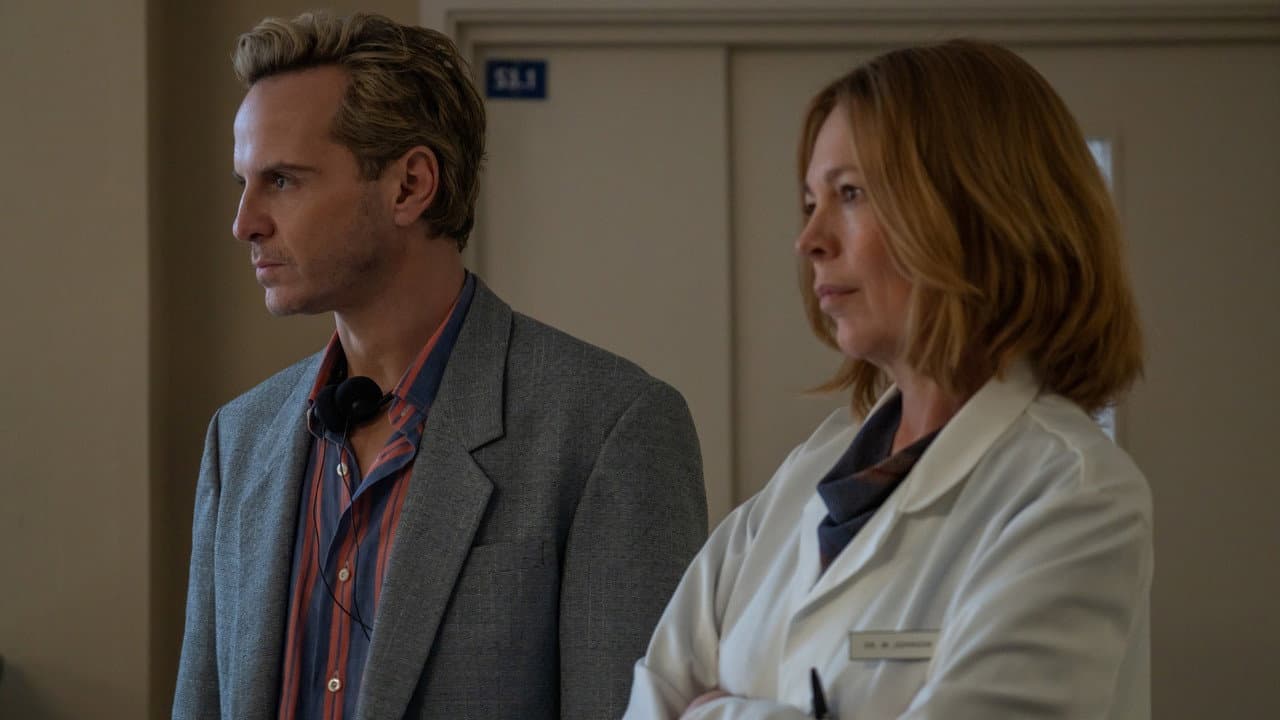
"Elsinore" is produced within the Hollywood studio system, shot in English, and runs 111 minutes. It pairs Scott with an ensemble that includes Olivia Colman as Margaret Johnson, Billie Piper as Patsy, Johnny Flynn as Richard Eyre, Luke Thompson as Georgie Randall, David Dawson as Derek Jarman, Matthew Beard as Sean, and Joe Locke as Nicholas. The material is drawn from real events, though the film's emotional architecture rests on Scott's central performance.
A Career Built on Risk
Scott has never been a performer who takes the safe route. From his breakout work in theater to his Emmy-nominated turn in "Fleabag" and his leading role in "Ripley," he has gravitated toward characters whose interiors are difficult to map. Charleson, who died in 1990 at the age of forty, presents a particular kind of challenge: a public figure whose final performances were also acts of private courage. The film's official synopsis describes Charleson as "a gifted actor whose greatest challenge becomes his greatest triumph," facing his own mortality "with unflinching honesty, wit, and grace," and delivering "a courageous performance that becomes a source of healing and inspiration for those around him."
That description places considerable weight on the actor carrying the story, and Scott acknowledged the responsibility without making a show of it. He noted that he has been able to thrive in this situation, and that this feels genuinely extraordinary. The remark was not delivered as a boast but as a quiet observation about the distance between the industry he entered and the one he now inhabits.
The Question of Visibility
There is a version of this conversation that reduces itself to a single question: what is it like to be a gay actor in Hollywood today? Scott resists the framing without dismissing it. He has spoken before about the ways in which his own openness has shaped the roles he is offered and the way audiences receive him, and he returns to that theme here with the measured clarity of someone who has thought carefully about what visibility actually costs and what it yields.
The significance of his answer lies in its refusal to be defensive. He is not arguing that the industry has solved its problems, nor is he suggesting that his own experience is universal. Instead, he locates his sense of good fortune in the specific: the collaborators he has found, the material he has been trusted with, the fact that his identity has not been treated as an obstacle to be managed. That distinction matters, particularly in a year when conversations about representation in Hollywood have grown more complicated rather than less.
An Ensemble of Considerable Depth
Stone's film surrounds Scott with a cast that would be the envy of any production. Colman, Piper, Flynn, Thompson, Dawson, Beard, and Locke each bring a distinct register to the ensemble, and the presence of so many accomplished performers suggests that "Elsinore" is less a solo showcase than a portrait of a community. The film's runtime of 111 minutes positions it as a focused, intimate piece rather than a sprawling biopic, which aligns with Stone's reputation for stripping drama down to its essential gestures.
The release date places "Elsinore" in the thick of the fall awards corridor, and the film's subject matter, combined with its cast and director, will inevitably draw attention from voters and critics alike. Whether it becomes a major contender remains to be seen, but the ingredients are in place for a serious conversation.
What the Film Is Actually About
At its core, "Elsinore" is a story about what performers do with the time they have. Charleson's final years were marked by a commitment to his craft that his peers remembered long after his death, and the film frames that commitment not as martyrdom but as a form of clarity. Scott's own career has been animated by a similar impulse: an interest in characters who are forced to confront something irreducible about themselves.
The actor's reflection on his own good fortune, then, is not incidental to the film but continuous with it. "Elsinore" is a story about a man who found a way to work honestly until the end. Scott, by his own account, has found a way to work honestly now. The symmetry is not lost on him, and it is not lost on the audience either.
"Elsinore" opens in theaters on November 20, 2026.
Source: The Hollywood Reporter