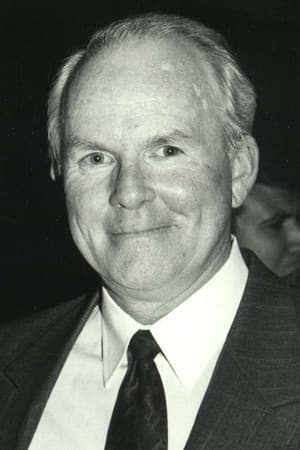
Eric Karson, the filmmaker who directed the 1980 Chuck Norris martial-arts picture “The Octagon” and later produced the Jean-Claude Van Damme action vehicle “Lionheart,” has died at 86. No cause of death was immediately disclosed.
Karson built his career largely in the low-budget and independent action arena, a corner of the industry where lean crews, tight schedules and physical stunt work were the order of the day. He worked steadily across directing and producing roles for more than two decades, and his name became familiar to the drive-in and home-video audiences that sustained martial-arts cinema through the 1980s and into the 1990s.
A Director’s Breakthrough With “The Octagon”
“The Octagon,” released in 1980, paired Karson with Chuck Norris at a formative moment in the actor’s screen career. Norris played a martial artist drawn into a confrontation with a terrorist organization that trains assassins, and the film leaned on the star’s fighting background for its central appeal.
The movie arrived as interest in martial-arts pictures was widening beyond the niche audiences that had embraced the genre earlier in the 1970s. Karson directed from a screenplay by Leigh Chapman, and the production placed its emphasis on combat sequences and a brooding, secretive atmosphere rather than elaborate spectacle - a sensible approach for a film operating on a modest budget.
For Karson, the project represented a significant directing credit and a calling card in action filmmaking. For Norris, it was one of the films that helped cement his standing as a leading man in the genre. The picture has since retained a following among enthusiasts of 1980s action cinema, and it remains the title most closely associated with Karson’s directing work.
Producing “Lionheart” and a Career in Action
Karson’s later work as a producer brought him into the orbit of Jean-Claude Van Damme. “Lionheart,” released in 1990, cast Van Damme as a French Foreign Legion deserter who travels to the United States and becomes embroiled in underground fighting to support his brother’s family.
By the time “Lionheart” arrived, Van Damme had become a bankable star in the action market, and the film was built around his athletic screen presence and fight choreography. Karson served in a producing capacity, one of several filmmakers responsible for bringing the project to the screen. The movie became a popular title on home video, a distribution channel that was then reshaping how action films reached audiences.
Karson’s filmography reflects the practical, resourceful filmmaking culture of his era. Directors and producers in his circle often moved between roles, assembling financing, overseeing production logistics and working closely with stunt coordinators and fight choreographers. Karson’s credits place him squarely within that tradition - a working filmmaker whose output was aimed at audiences who valued momentum, physicality and straightforward storytelling.
A Legacy in Genre Cinema
Tributes from colleagues and genre fans began circulating soon after word of his death. Within the action-film community, Karson is remembered as a craftsman who understood the demands of low-budget production and the importance of delivering on the promise of a fight picture.
His two best-known titles occupy distinct phases of the martial-arts boom: “The Octagon” belongs to the era when Norris was establishing himself as a screen star, while “Lionheart” arrived during the home-video expansion that made Van Damme an international name. Together they trace the arc of a filmmaking career spent largely in the action trenches.
Karson is survived by his family. Information about memorial arrangements was not immediately available.
Source: The Hollywood Reporter