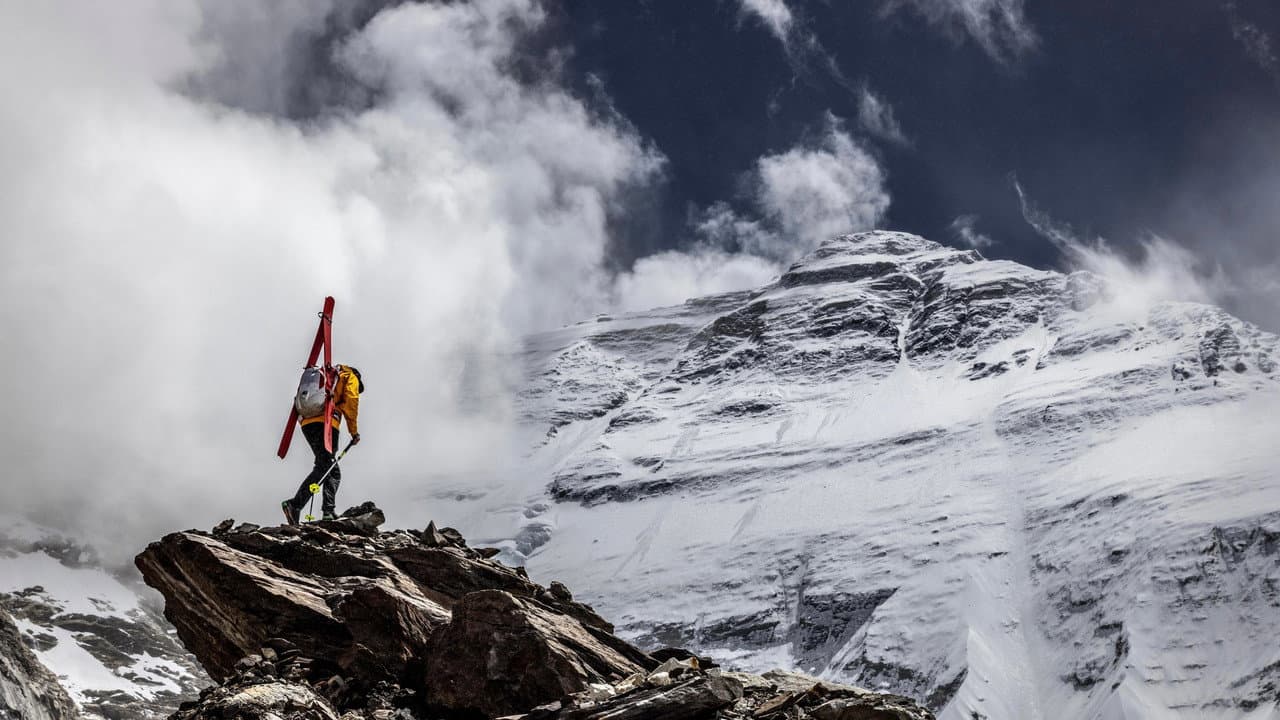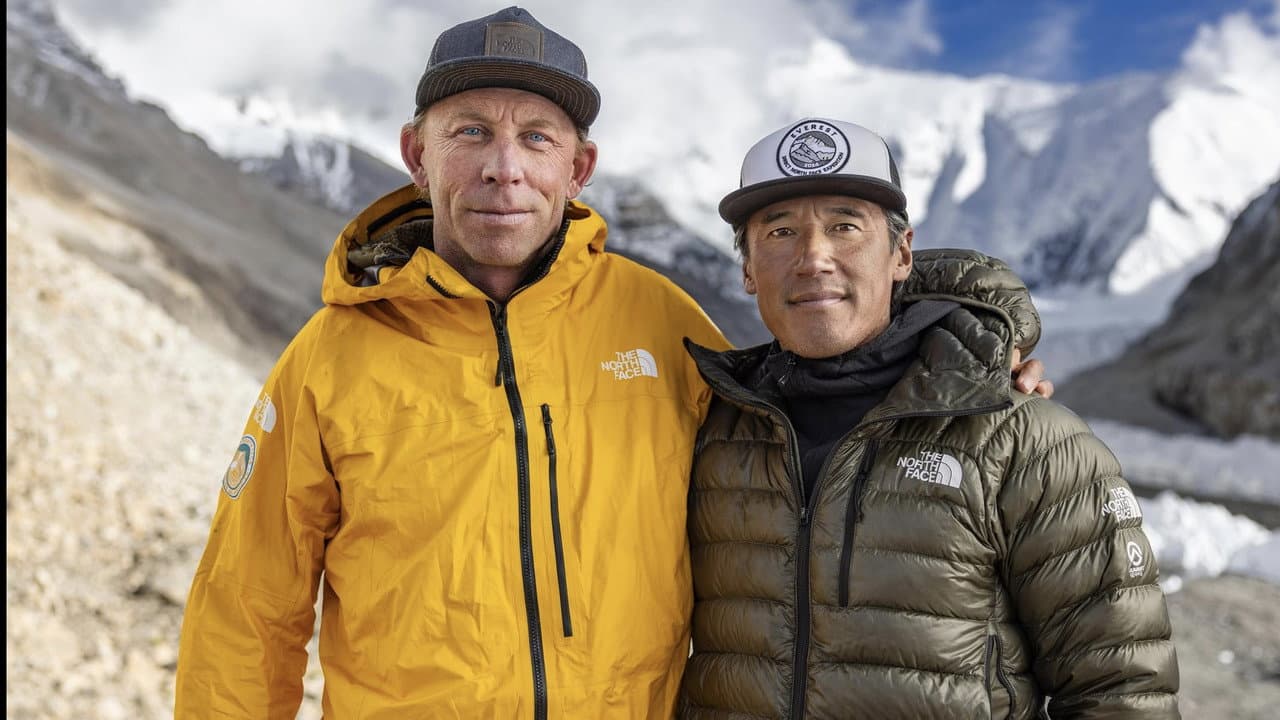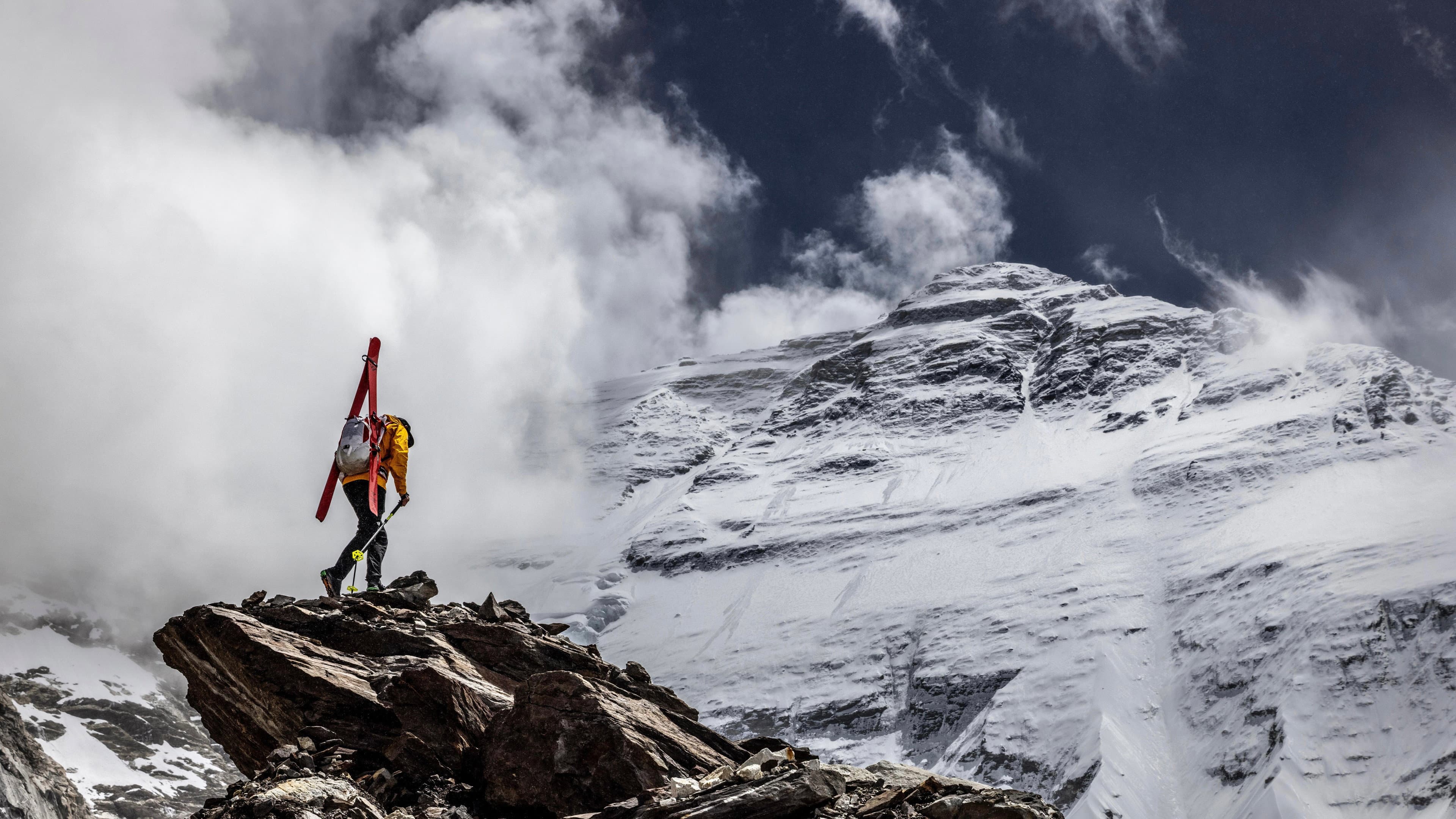
Jimmy Chin's next documentary turns his camera on a partnership that pushed alpine achievement to its outer limits - and asks what that pursuit cost. "Everest: The Other Side," which USA Film News can confirm opens in theaters on October 29, 2026, runs 115 minutes and arrives from Hollywood with an English-language production. The film centers on elite ski mountaineers Hilaree Nelson and Jim Morrison, whose romance took root as both were operating at the peak of their sport.
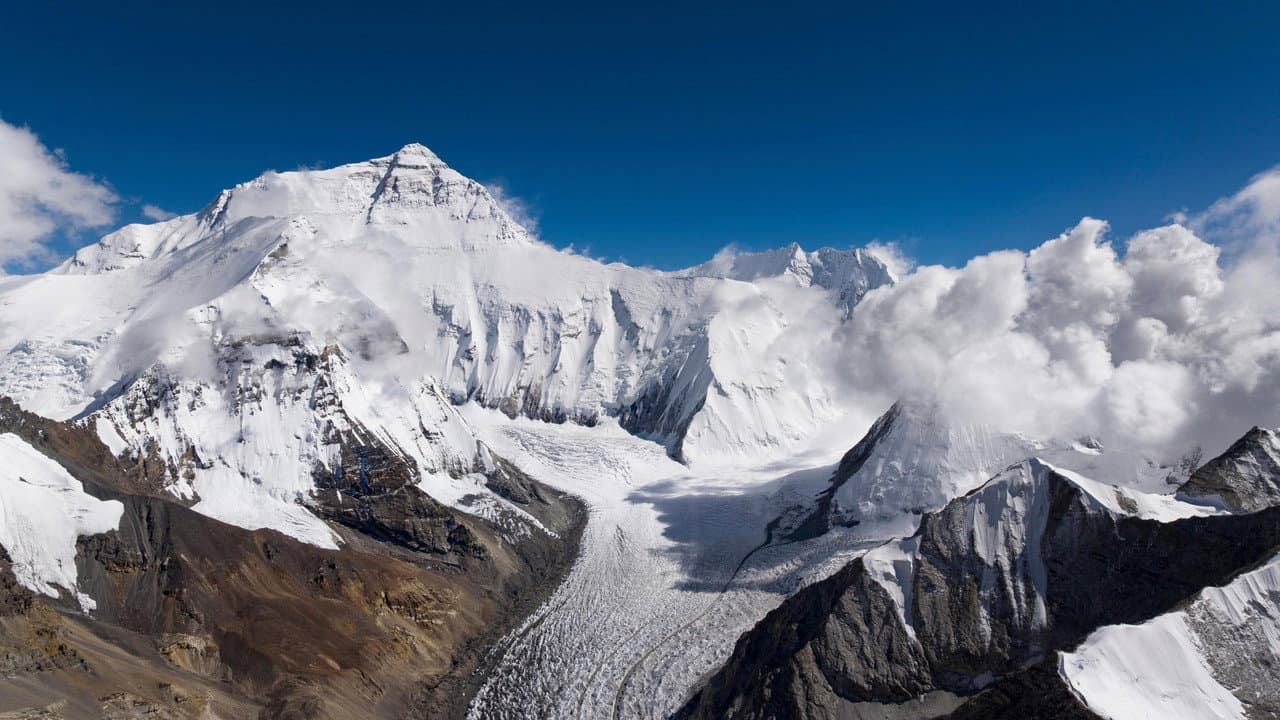
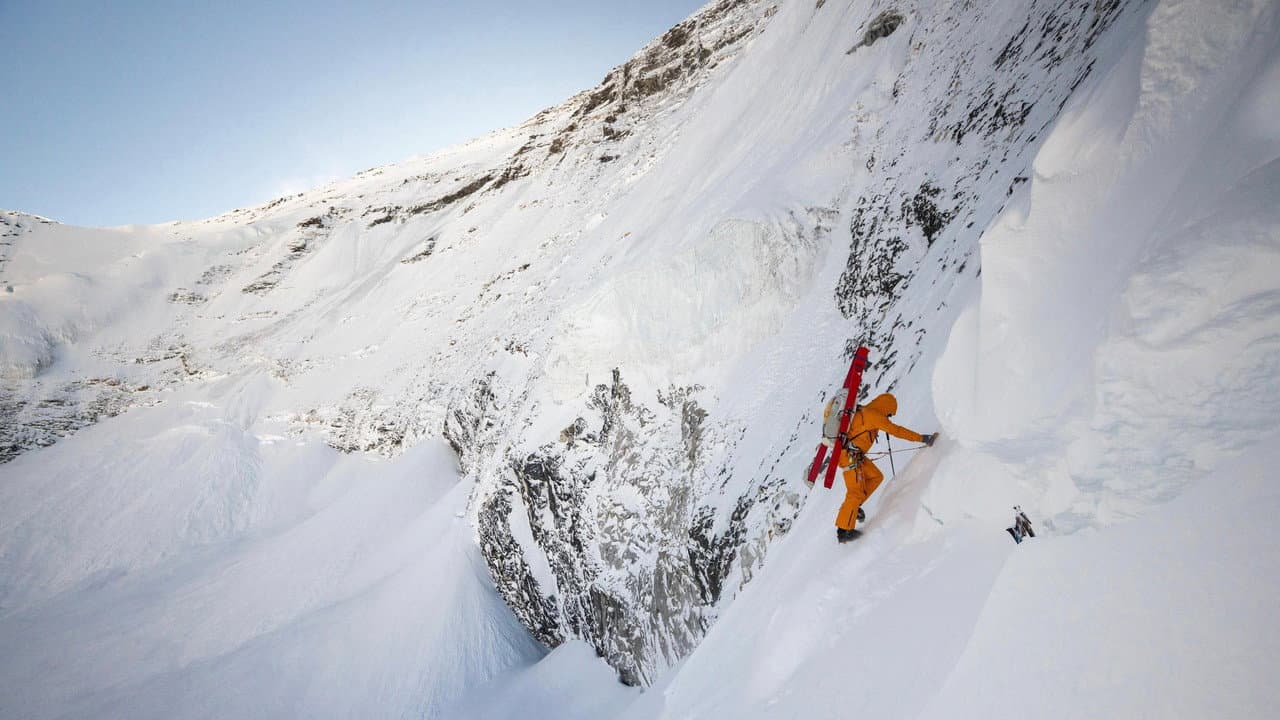
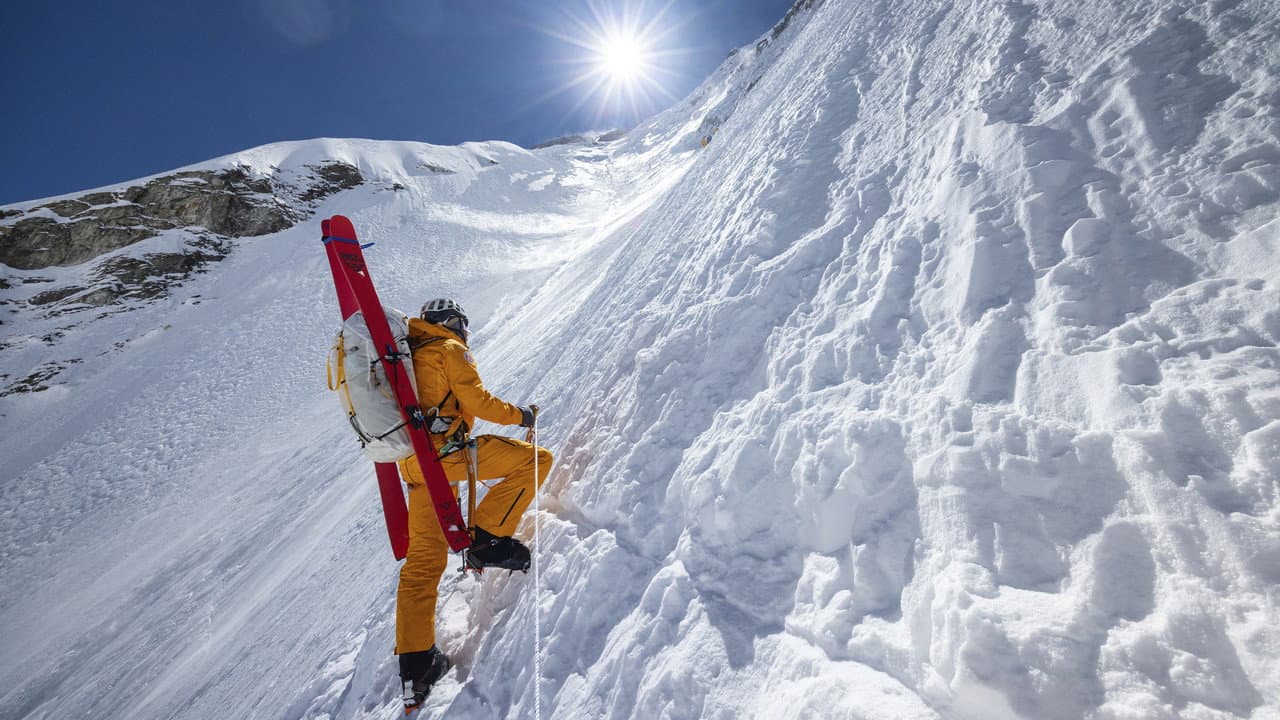
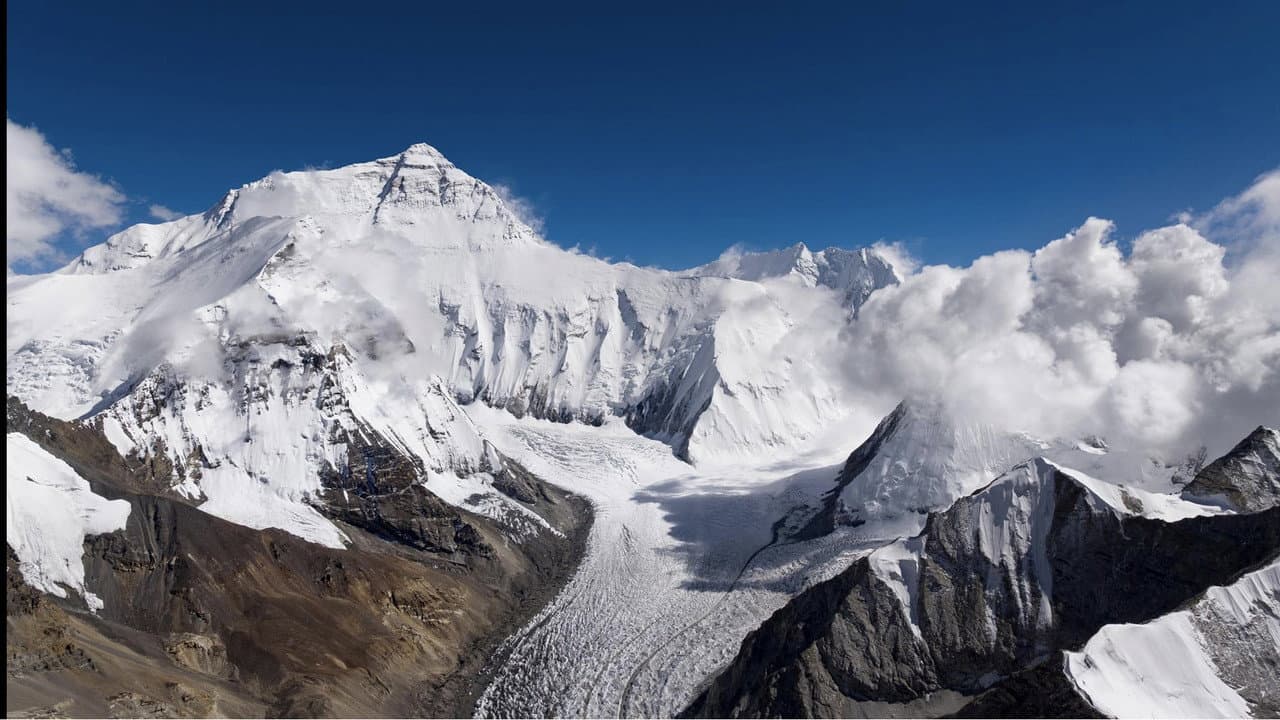
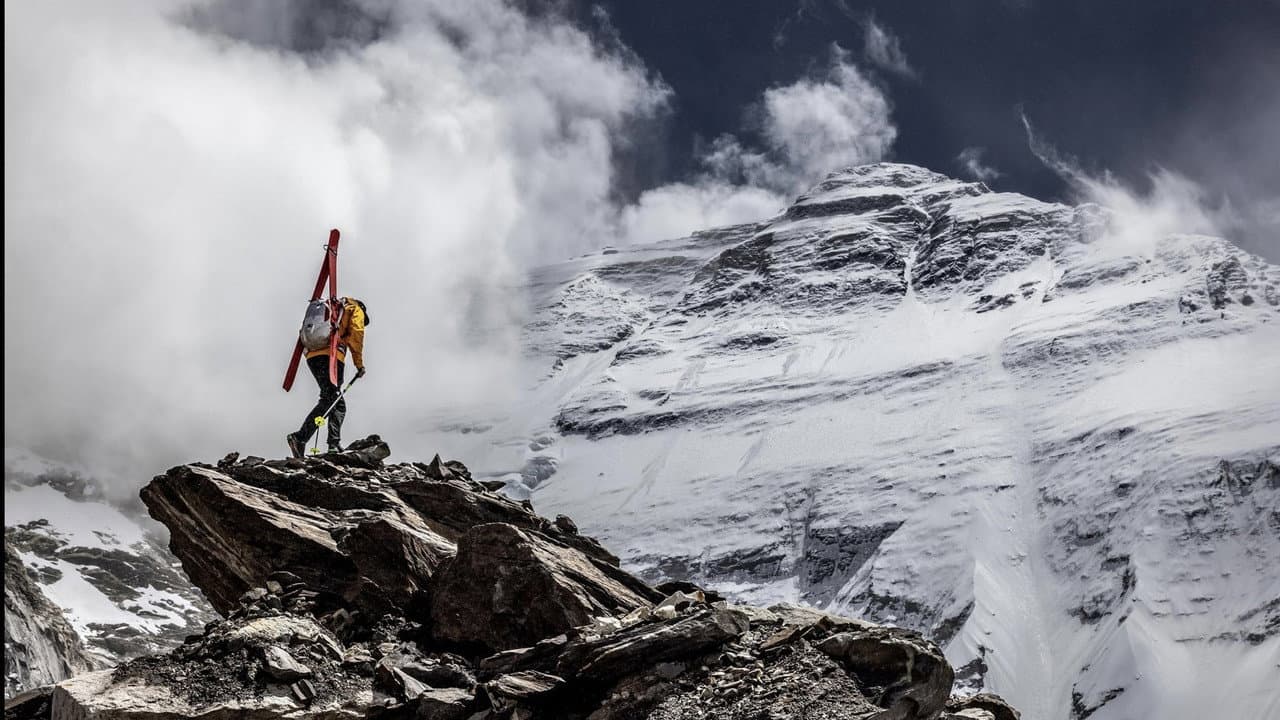
Their shared goal was nothing less than the direct North Face of Mount Everest, widely regarded as the mountain's most perilous route and the most prized ski descent on the planet. A handful of climbers have ever stood atop that line. Nobody has completed the ski down. The documentary frames that unclaimed prize not as a stunt but as the logical endpoint of two lives organized around risk.
Chin directs and appears on screen, joined by a cast that includes Nelson and Morrison as themselves, along with Elizabeth Chai Vasarhelyi and Mikey Schaefer. The pairing of Chin and Vasarhelyi behind the camera is by now familiar to documentary audiences, though the film's press materials stress that the new project is an "intimate portrait" rather than a summit-log chronicle - a distinction that matters given how the story resolves.
Ambition as a Two-Body Problem
Most mountaineering films treat drive as an individual trait: one climber, one obsession, one set of consequences. "Everest: The Other Side" instead builds its narrative around the friction between two people who want the same impossible thing. Love and ambition are presented as forces that reinforce each other and, at the same time, multiply the stakes. When two partners share a single objective, a decision that would endanger one person now endangers the relationship itself.
That dynamic gives the film its title and its ethical charge. The "other side" is not merely the far slope of the mountain; it is the cost borne by the people who wait, the partners who co-sign the risk, and the community that celebrates the feat while absorbing its aftermath. Chin's camera is positioned to capture the ordinary textures of that bargain - training, planning, negotiation - rather than only the dramatic moments at altitude.
The film also arrives at a moment when the ski-mountaineering world is still reckoning with the human toll of pursuing lines at the extreme edge of what is survivable. By focusing on Nelson and Morrison specifically, the documentary avoids abstract debates about risk and grounds them in two recognizable careers. Both athletes spent years building the technical foundation that a North Face ski descent would demand, and both understood precisely what the margin for error looked like.
What the Film Is Not
Audiences should not expect a conventional triumph narrative. The overview describes the project as a portrait of two people "bound by love, ambition, and the pursuit of the impossible," language that signals introspection over spectacle. Chin has spent his career moving between adrenaline-driven expedition films and more contemplative character studies, and this project appears to sit at the intersection.
Nor is the film positioned as a definitive record of the North Face itself. The route functions as the gravitational center of the story, but the documentary's attention stays on the people orbiting it. That choice distinguishes "Everest: The Other Side" from the crowded field of Everest content, most of which treats the mountain as a backdrop for endurance rather than a mirror for relationships.
At 115 minutes, the runtime is substantial for a documentary, suggesting room for both the logistical build-up and the emotional reckoning. The release date places it in the thick of the fall awards corridor, though no festival premiere or distribution expansion details have been confirmed at this time. Theatrical bookings for October 29 are in place per the film's verified release information.
Additional casting includes Vasarhelyi and Schaefer as themselves, a nod to the tight-knit circle of filmmakers and athletes who move between these expeditions. Their on-screen presence reinforces the sense that this is a story told from inside the community rather than from a detached vantage point.
For now, the film's central question remains unresolved by design: whether a shared dream pursued at the highest possible level is an act of devotion or an act of reckoning deferred. "Everest: The Other Side" opens October 29, 2026, and invites audiences to weigh that question alongside the two people who lived it.
Source: The Hollywood Reporter