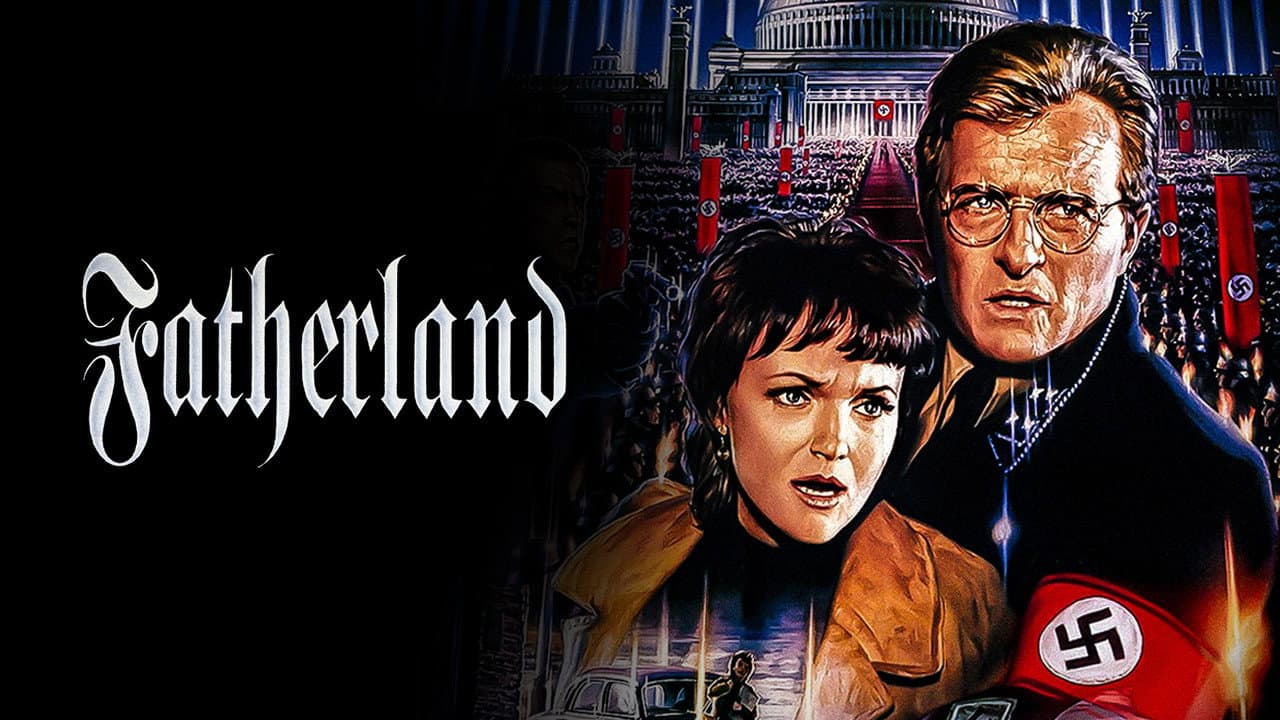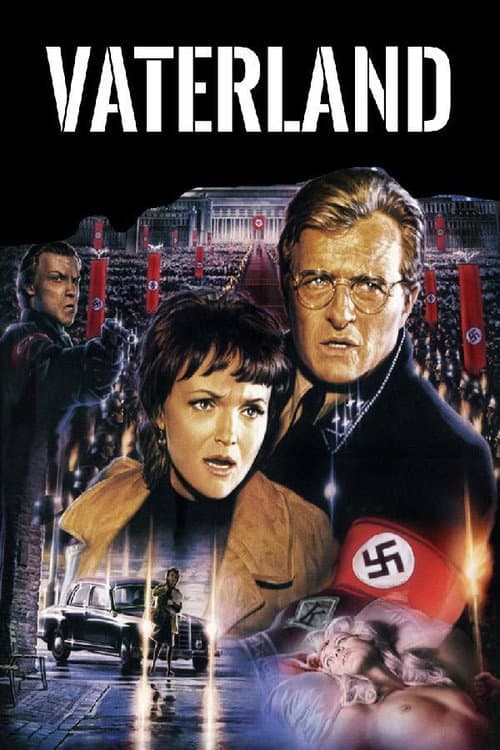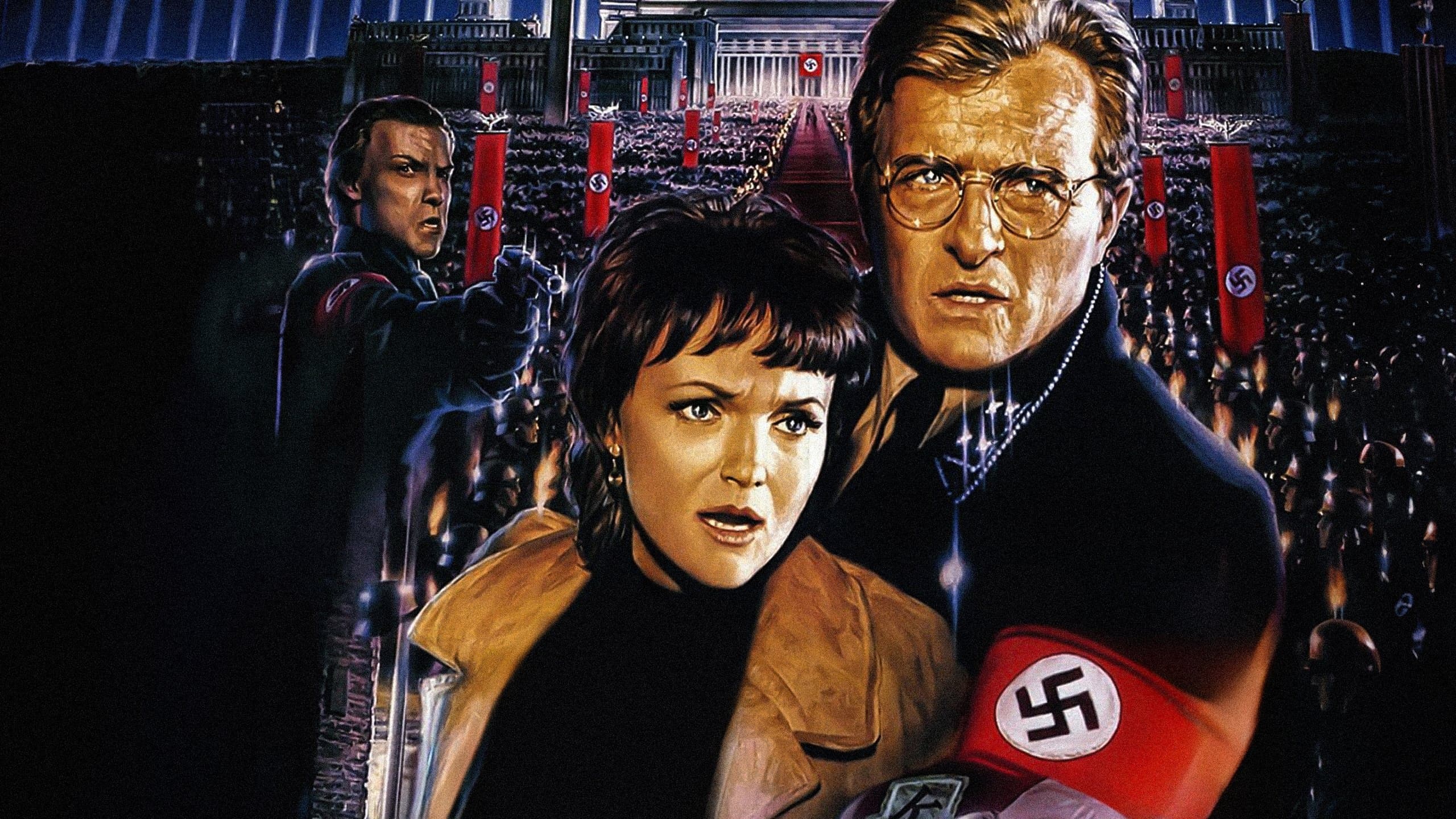
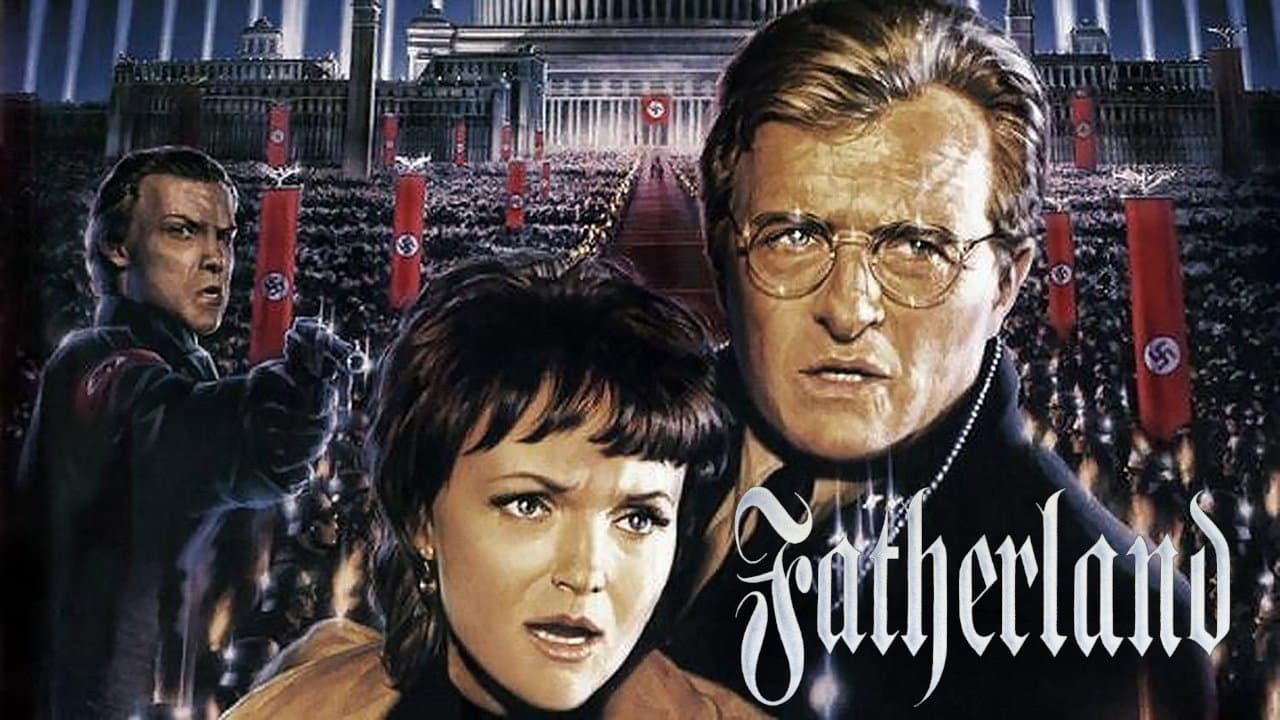
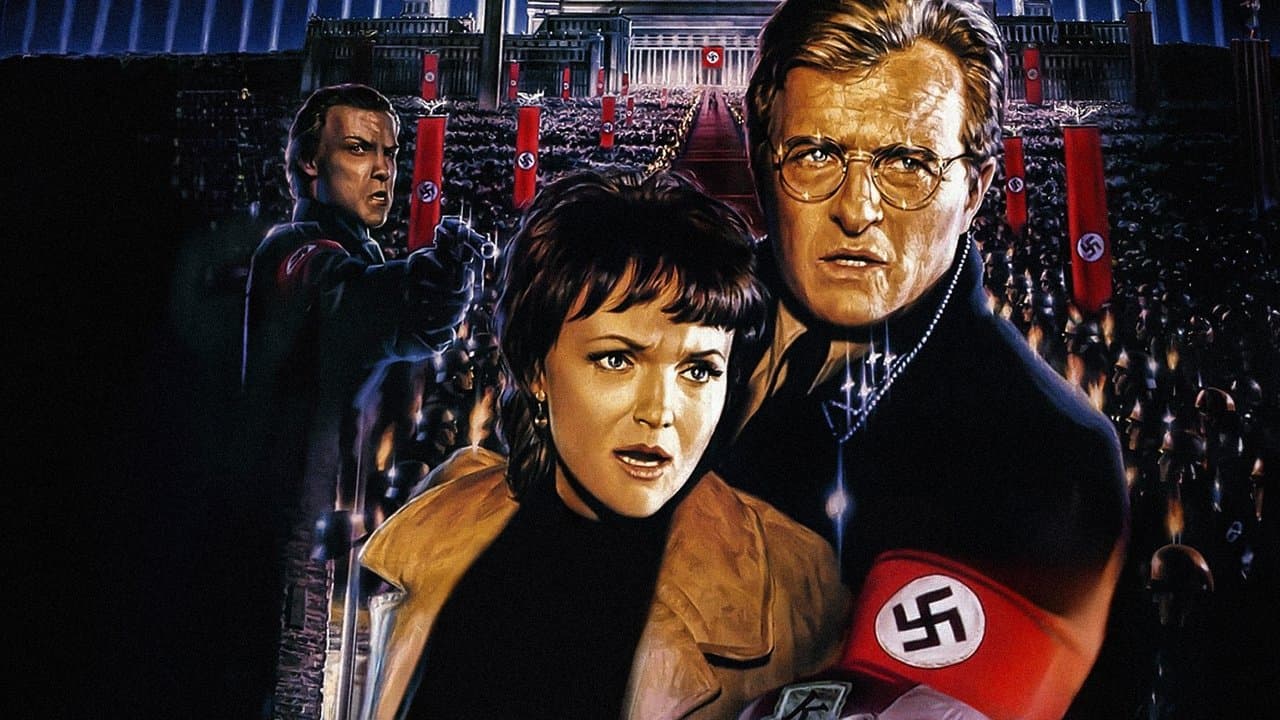
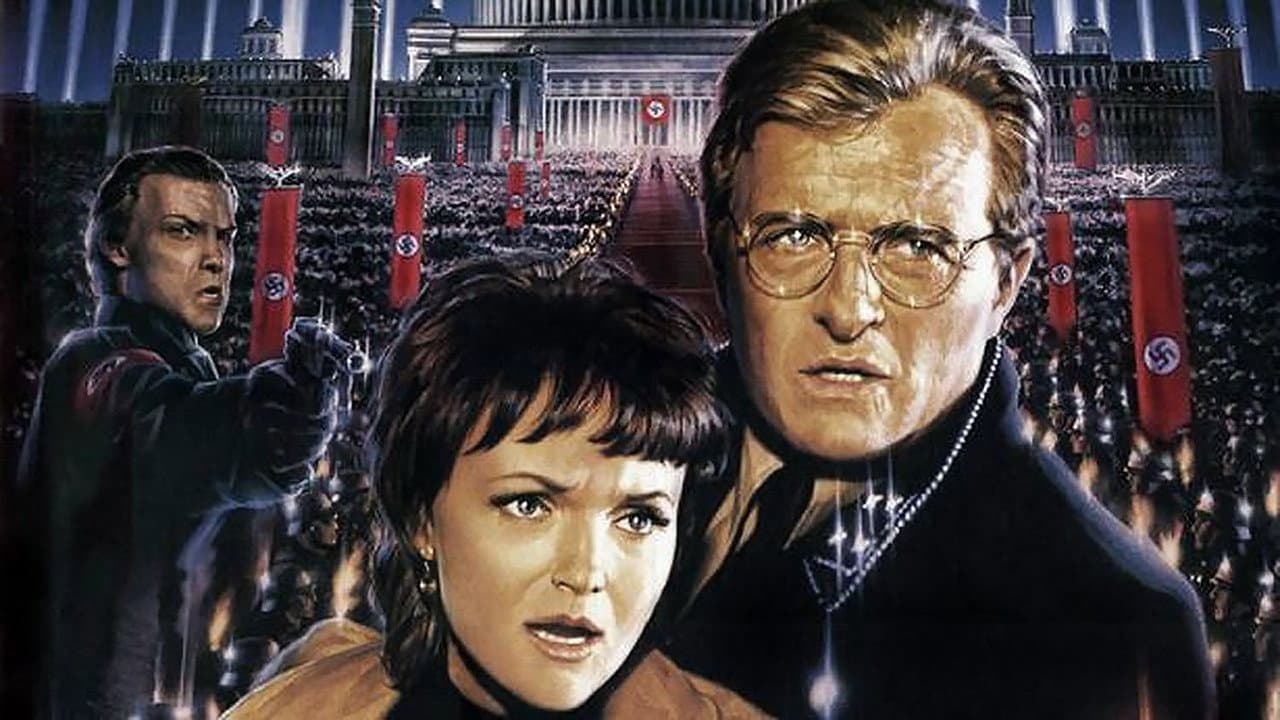
The Nazi-era television drama "Fatherland" has captured the top prize at Camerimage, the Polish festival devoted to the art of cinematography, while the drama "Wild Horse Nine" took home the event's audience award. The awards, announced at the festival's 2026 edition, place a 1994 small-screen production at the center of one of cinema's most closely watched celebrations of camerawork - an unusual distinction for a movie made for television.
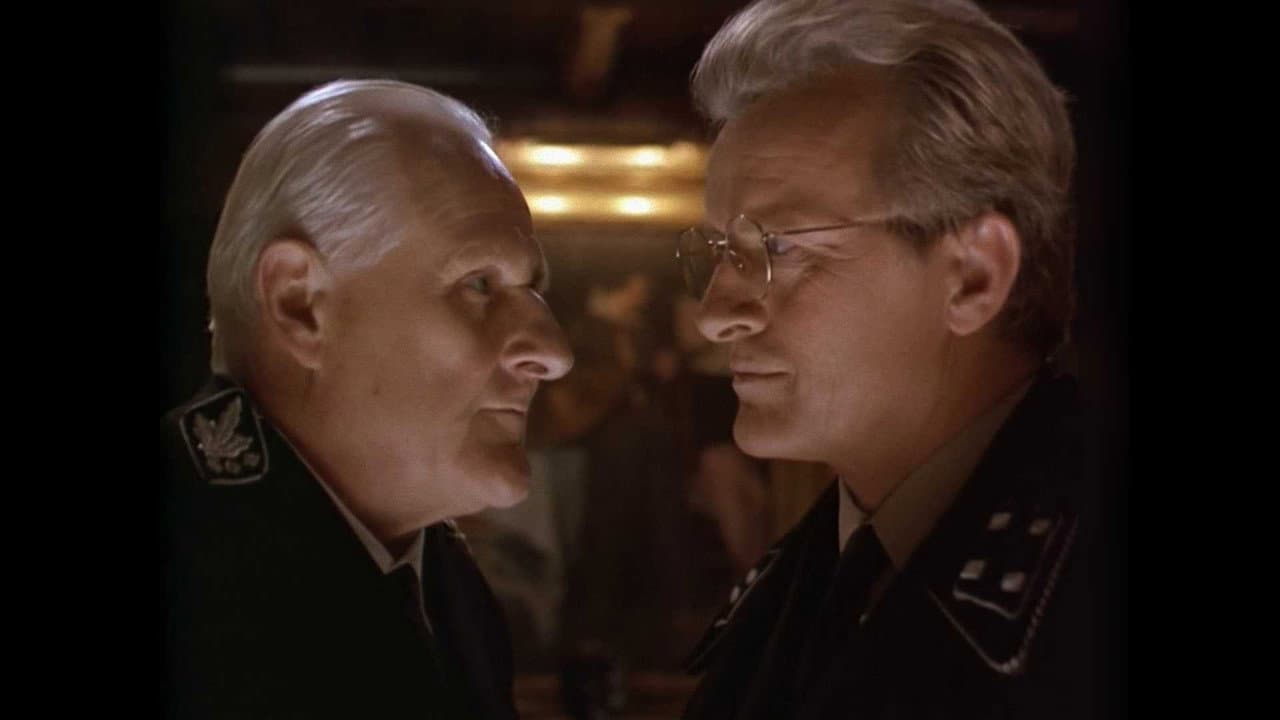
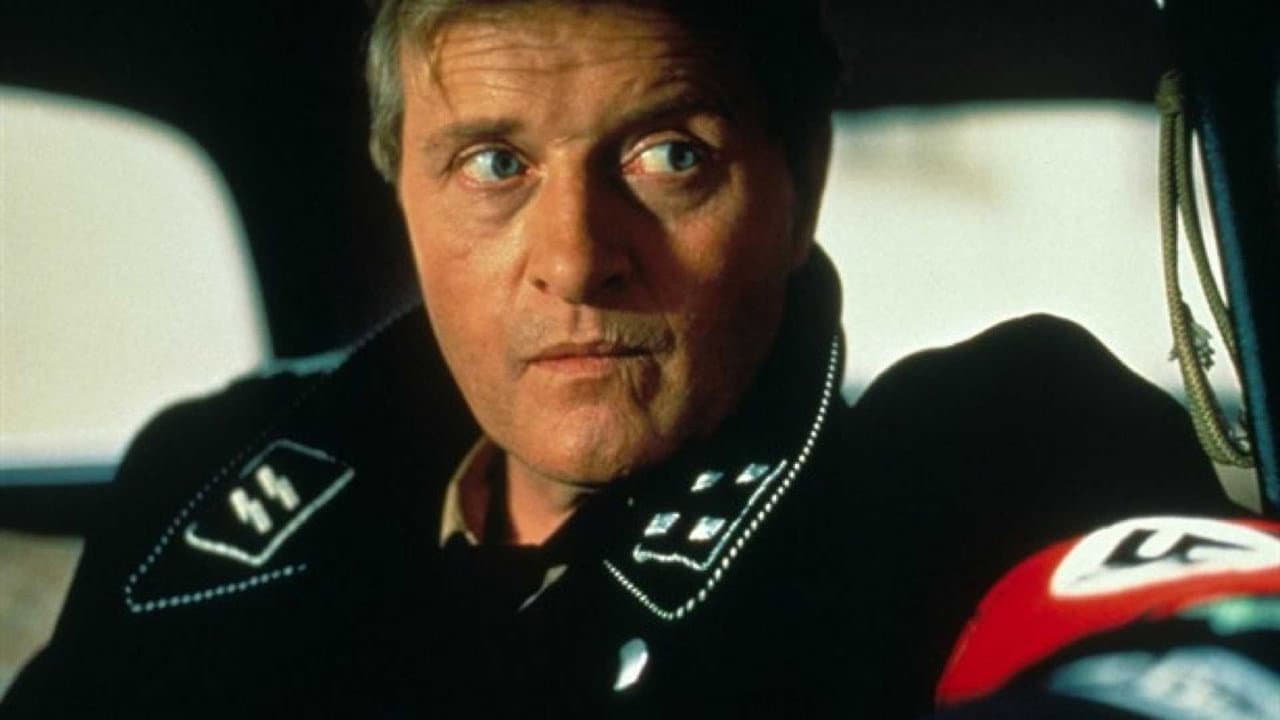
"Fatherland" is a fictional account of what might have happened if Hitler had won the war. Set in the 1960s, it imagines a Germany in which the regime's war crimes have so far been kept a secret. Hitler wants to talk peace with the US president, and an American journalist and a German homicide cop stumble into a plot to destroy all evidence of the genocide. The film blends drama, thriller, action and war elements across a 106-minute runtime.
Christopher Menaul directed the production, which was released on November 26, 1994. Rutger Hauer leads the cast as SS-Sturmbannführer Xavier March, with Miranda Richardson as Charlie Maguire and Peter Vaughan as SS-Oberstgruppenführer Artur Nebe. Michael Kitchen appears as SS-Untersturmführer Max Jäger, Jean Marsh as Anna von Hagen, John Shrapnel as General Globus, John Woodvine as Luther and Bob Mason as Coroner Eisler.
The film's reception has been steady rather than rapturous. It holds a 6.3 out of 10 rating on TMDb and a 6.4 out of 10 on IMDb, scores that suggest a respectable but not universally acclaimed work. Its Camerimage victory nonetheless signals that programmers and jurors at the festival found something worth honoring in its visual construction, even three decades after its original release.
A Television Movie at the Center of a Cinematography Festival
Camerimage has long built its reputation on spotlighting directors of photography and the craft of image-making, and its top prize is typically a marker of prestige within the industry. Awarding that honor to a television movie from the mid-1990s is a striking choice, one that puts a spotlight on a production that might otherwise be remembered chiefly as a speculative historical drama from the small screen.
For audiences encountering "Fatherland" through the festival circuit, the premise remains its most immediate draw. The alternate-history scenario - a 1960s in which the atrocities of the regime remain hidden and a peace summit with the American president is underway - gives the story its tension. The journalist and the police investigator at its center become unlikely partners as they uncover a conspiracy to erase the record of genocide.
The film's genre labeling reflects that hybrid approach: drama and thriller at its core, with action and war elements woven through. As a TV movie, it was produced within the Hollywood industry and made in English, and its 1994 release places it among the wave of speculative historical dramas that found audiences on television during that period.
"Wild Horse Nine" Connects With Festival Audiences
The audience award for "Wild Horse Nine" represents a different kind of endorsement. Where the top prize reflects the judgment of festival programmers or jurors, the audience honor is decided by the people in the seats - a measure of how a film lands with viewers rather than with industry professionals.
Camerimage's dual honors this year thus recognize two distinct kinds of achievement: a canonical television work reclaimed by a cinematography-focused festival, and a newer title that resonated directly with the people who turned out to watch it. The pairing also highlights the breadth of the festival's programming, which ranges across eras, formats and genres rather than confining itself to contemporary theatrical releases.
For "Fatherland," the prize arrives more than thirty years after its debut, offering a fresh chapter in the afterlife of a film that dramatizes one of the twentieth century's most enduring counterfactual questions. For "Wild Horse Nine," the audience award provides early validation from festivalgoers as the film continues its run on the circuit.
Both awards were announced during the festival's current edition, and neither result was accompanied by box-office figures or further details about the jury's deliberations. What is clear is that Camerimage has once again used its platform to elevate work that might not otherwise command the spotlight - this time pairing a decades-old television drama with a film that has already found favor with audiences.
Source: The Hollywood Reporter