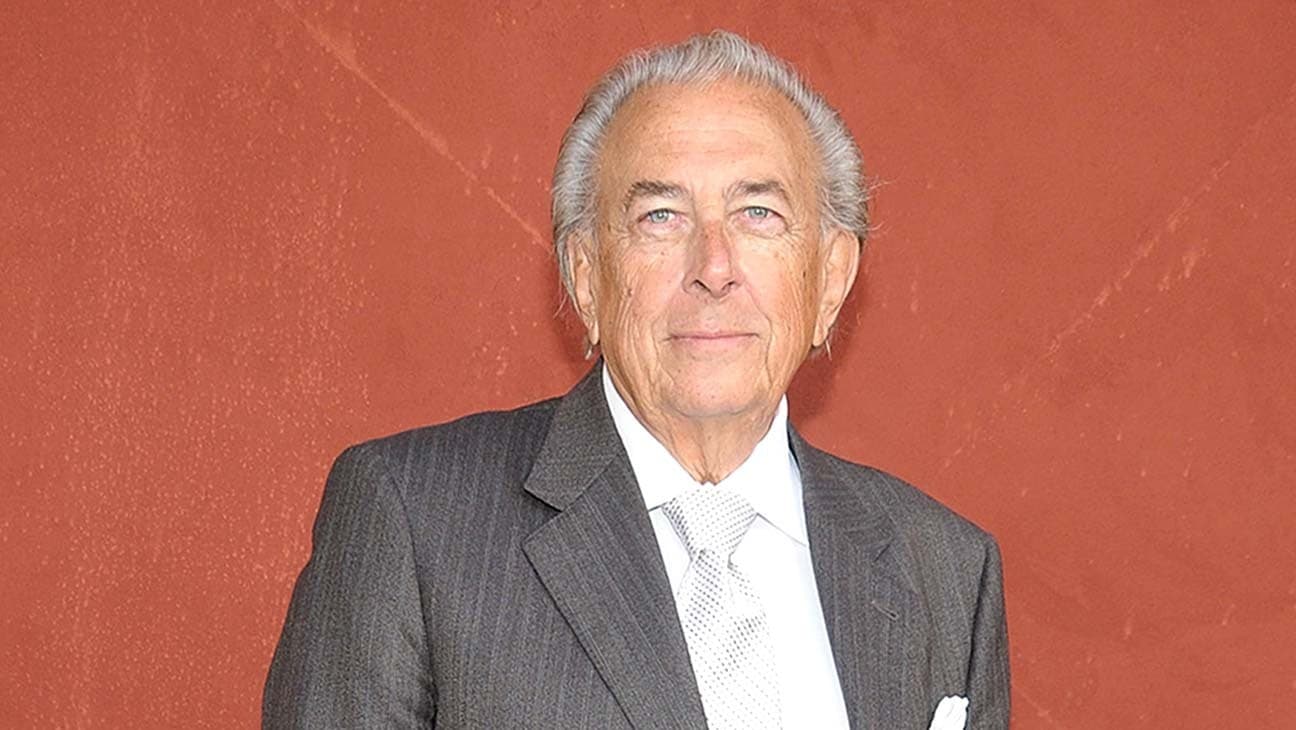
Frank Mancuso Sr., the veteran studio executive who steered Paramount Pictures through one of its most commercially successful eras before taking the reins at Metro-Goldwyn-Mayer, has died at the age of 93. His passing was confirmed by a family spokesperson, though no further details were immediately released.
Mancuso's career spanned more than three decades at the highest levels of Hollywood studio management, a period during which he helped shape the fortunes of two of the industry's most storied companies. He was known less as a showman than as a steady hand - a distribution specialist who rose through the ranks by understanding how movies actually reached audiences, and who later found himself responsible for the creative decisions that determined which movies got made in the first place.
From Ticket Sales to the Corner Office
Mancuso's path to the chairman's office was anything but conventional. A native of New York, he began his entertainment career in the 1950s working in theatrical distribution and sales, learning the movie business from the ground up rather than arriving through the creative or legal channels that produced many of his peers.
That grounding in the practical mechanics of the industry - how films were booked, marketed, and exhibited - gave him an operational fluency that would define his management style. By the time he joined Paramount in the 1960s, he had accumulated a reputation as a meticulous and results-oriented executive.
At Paramount, Mancuso ascended steadily through the distribution and marketing ranks. His timing proved fortuitous. The studio was in the midst of a remarkable creative and commercial resurgence, and Mancuso's ability to maximize the reach of its films made him an invaluable asset to the men above him - and eventually made him the obvious choice to lead.
The Gulf and Western Years
Mancuso was named chairman and chief executive officer of Paramount Pictures in the early 1980s, succeeding Barry Diller. He took over a studio that was already firing on multiple cylinders, and he kept it there.
During his tenure, Paramount produced a string of hits across a wide range of genres - from action franchises to comedies to prestige dramas - that kept the studio near the top of the annual market-share rankings for much of the decade. The studio's output under Mancuso reflected his instincts as a populist: he favored commercial appeal, broad entertainment, and films that could be marketed aggressively.
He was also instrumental in cultivating relationships with key producers and talent, understanding that in Hollywood, the pipeline of future product depended on who wanted to work with you. Mancuso's tenure coincided with a period of significant expansion in the home-video market, and he positioned Paramount to capitalize on that shift - a decision that would prove prescient as the industry's revenue model evolved.
In 1984, Mancuso played a central role in one of the studio's most significant corporate moves: the launch of a new television division that would go on to produce a slate of syndicated programming, extending Paramount's brand well beyond the multiplex.
The MGM Interlude
In 1988, Mancuso left Paramount for MGM, becoming chairman and CEO of the fabled but financially troubled studio. It was a job that carried enormous prestige and equally enormous headaches.
MGM had endured years of ownership turmoil, and Mancuso arrived at a moment when the studio was still searching for a stable identity and a reliable release pipeline. He oversaw a period of retrenchment and reorganization, attempting to restore some of the studio's luster while managing the realities of a balance sheet that left little room for error.
His time at MGM was relatively brief - he departed in the early 1990s - but those who worked with him described the assignment as thankless. MGM's challenges were structural, not managerial, and no single executive could easily reverse the studio's accumulated difficulties. Mancuso's willingness to take on the task spoke to his reputation as a company man in the best sense of the phrase.
A Family Business
Mancuso's influence in Hollywood extended beyond his own résumé. His son, Frank Mancuso Jr., became a prominent producer in his own right, with credits that included the long-running Friday the 13th franchise and the television series Beauty and the Beast. The Mancuso name became synonymous with a certain kind of professional consistency in an industry famous for volatility.
Those who knew Mancuso Sr. recall a man of few theatrics - a trait that distinguished him in a town that rewards self-promotion. He preferred to let the numbers do the talking, and for the better part of a decade at Paramount, they did.
A Legacy of Stewardship
Mancuso's career reflected a particular era in Hollywood - one in which studio chiefs served long apprenticeships in the trenches before taking charge, and in which institutional loyalty was still a meaningful concept. He was not a founder, not a maverick, not a headline-grabber. He was, by all accounts, a professional: someone who understood the business, respected its traditions, and delivered results.
That may sound like faint praise in an industry that celebrates visionaries. But the studios Mancuso ran needed stewards as much as they needed dreamers, and the films that emerged during his tenure - films that audiences still watch today - are the enduring evidence of his contribution.
Frank Mancuso Sr. is survived by his children and grandchildren. Plans for a memorial have not been announced.
Source: The Hollywood Reporter