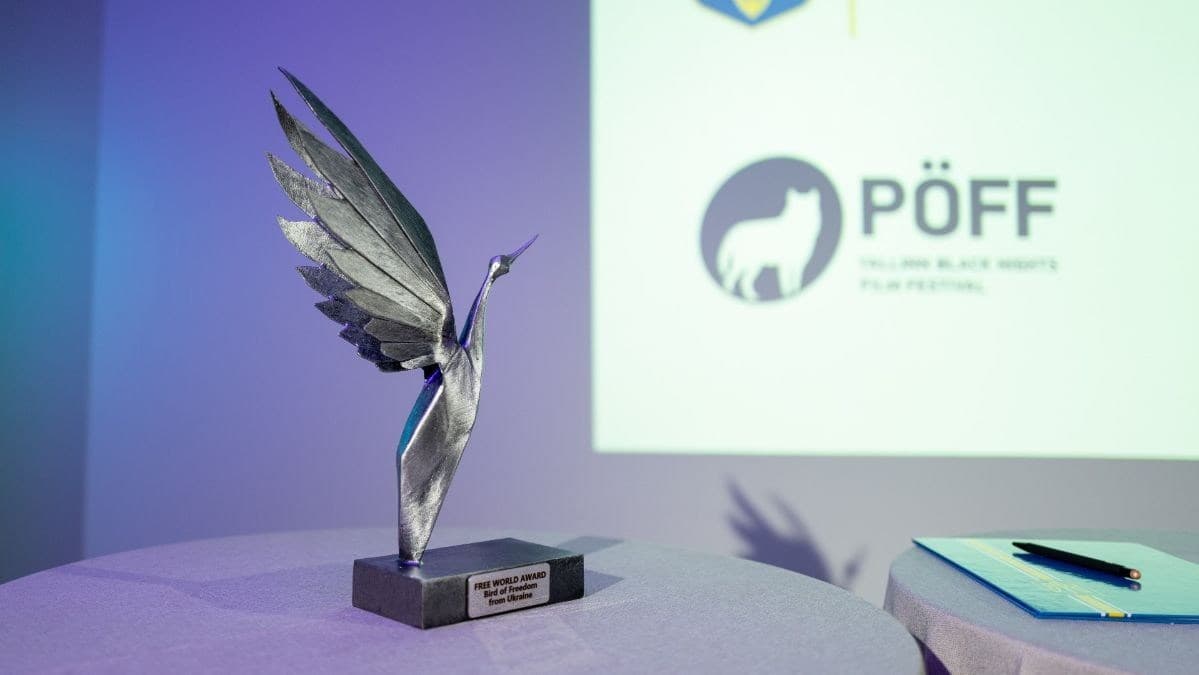
A new film honor with an unusual origin has named its first recipient, and the choice lands far from the usual awards-circuit capitals. The Free World Award, a trophy cast from melted-down weapons metal, has gone to Iraq's official submission for the Academy Awards, organizers announced. The prize's design carries its own message: material once forged for conflict has been reshaped into an object meant to recognize cinema. Giving the inaugural award to an Iraqi film extends that symbolism into the realm of national storytelling, spotlighting a country whose screen culture has rarely enjoyed this kind of international platform.
A Trophy With a Past
The Free World Award derives its name and its physical form from the same idea. Its organizers collected weapons metal and had it recast into the statuette that winners now take home. The gesture is deliberately literal. Rather than invoking peace in a speech or a press release alone, the award embodies the transformation it wants to celebrate.
That choice makes every future recipient part of a continuing statement. A trophy made from armaments is difficult to manufacture at scale, and organizers have framed the object as a one-of-a-kind symbol rather than a mass-produced trinket. Each handover is intended to remind the audience that the material on stage once had a very different purpose.
For the first edition, the pairing of that object with an Iraqi film feels intentional. Iraq's creative community has spent years rebuilding institutions and finding audiences after prolonged disruption, and a film selected as the country's Oscar representative already carries a burden of national expectation. Adding an international prize on top of that amplifies both the film's visibility and the story of the country that produced it.
What the First Win Signals
Award bodies often use their debut year to make a statement about the kind of cinema they intend to champion. By handing its first trophy to Iraq's Oscar entry, the Free World Award signals an interest in films from regions that mainstream prizes tend to overlook. The decision places an Iraqi production in conversation with the global awards season at a moment when submissions from the Middle East are drawing renewed attention.
The timing matters. National Oscar submissions function as a country's calling card to Academy voters and to international distributors alike. A submission that also collects a prominent new prize gains a second headline, and headlines are currency during awards season. The Free World Award may not carry the decades of history that older honors do, but a first-ever winner always becomes part of the prize's identity, and Iraq now holds that place.
There is also a quieter significance. Awards built around a theme can sometimes feel like gestures, but a trophy literally made from decommissioned weaponry resists that reading. It asks audiences to consider what art can be made from the remnants of violence, and it asks filmmakers to accept a responsibility that goes beyond box office or festival buzz.
The Road Ahead
For the winning film, the immediate future involves the familiar grind of an Oscar campaign: screenings, press, and the hope that Academy voters respond. The Free World Award gives that effort an opening anecdote that travels well, one that can be told in a single sentence and remembered afterward.
For the award itself, the challenge is longevity. A prize defined by a striking origin story must keep finding worthy recipients, or the symbolism risks outrunning the substance. Organizers have not detailed how future winners will be selected. What is clear is that the first choice sets a bar. Selecting a film from Iraq suggests a preference for voices outside the standard pipeline, and future years will be measured against that standard.
The broader awards landscape will be watching to see whether the Free World Award becomes a fixture or a curiosity. New prizes enter a crowded field every year, and most fade. This one arrives with a distinctive object, a clear moral premise, and a first winner that gives it an international story to tell. Whether that is enough to sustain it will depend on the films it honors next.
For now, the image is a potent one: metal once meant to wound, recast as a prize, handed to a film from a country still writing its next chapter. Whatever happens in the coming awards season, that picture will linger.
Source: The Hollywood Reporter