A documentary about Finland's first drag show and the decades-old murder that followed is heading to U.S. audiences this weekend, arriving with an archive full of recovered history and a new generation of performers ready to put it back on stage. "Fruitcakes: Dawn of Drag," directed by Vesa Kuosmanen, opens November 7, 2026, at 75 minutes, built around one man's long-delayed decision to share a past he spent most of his life hiding.
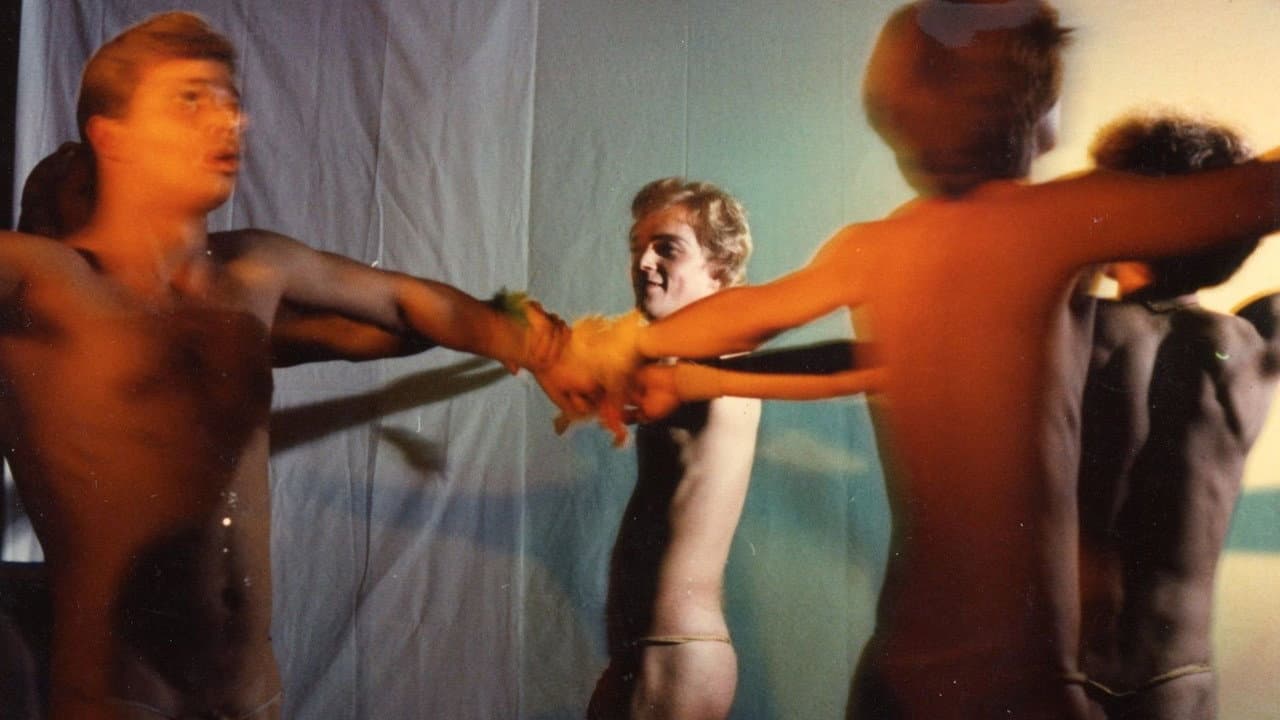
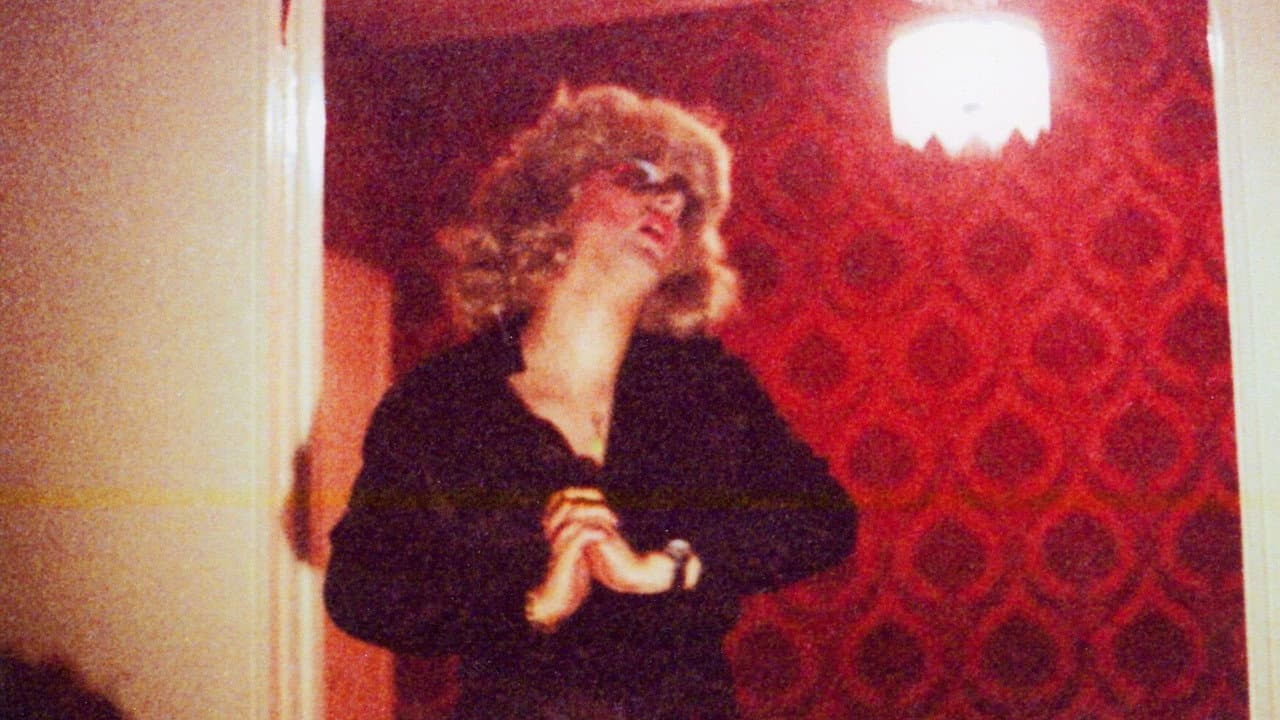
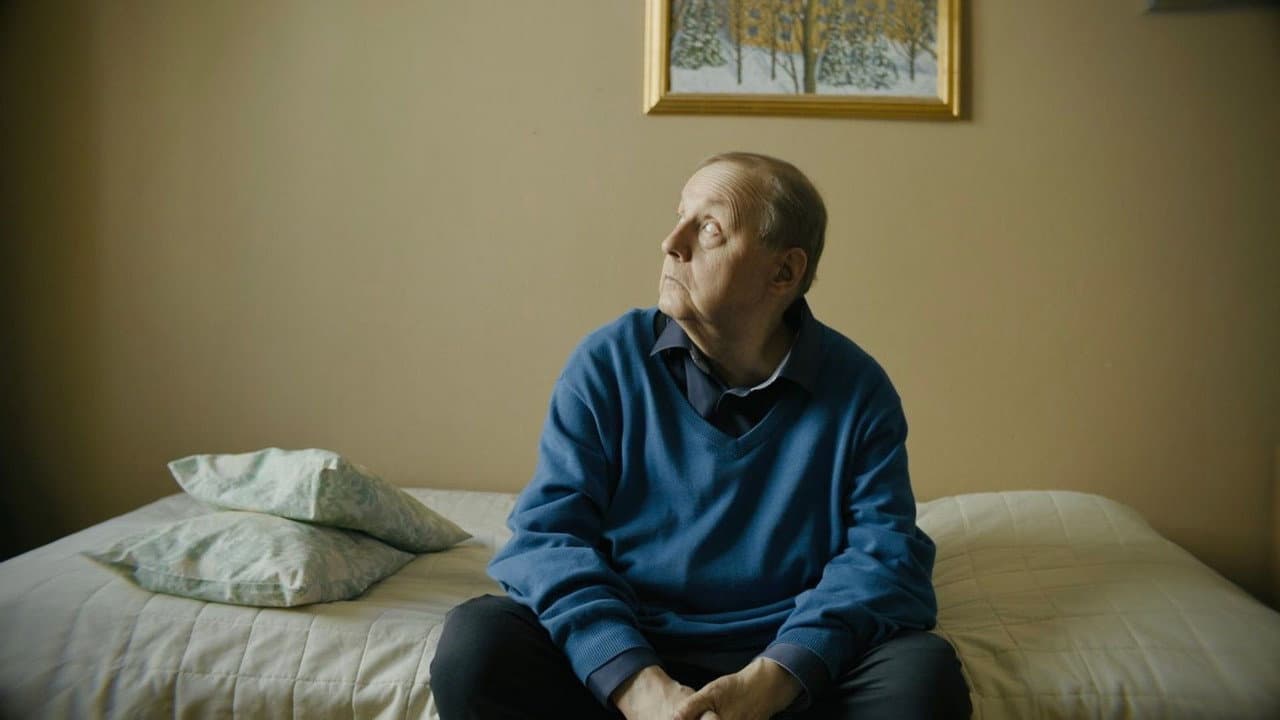
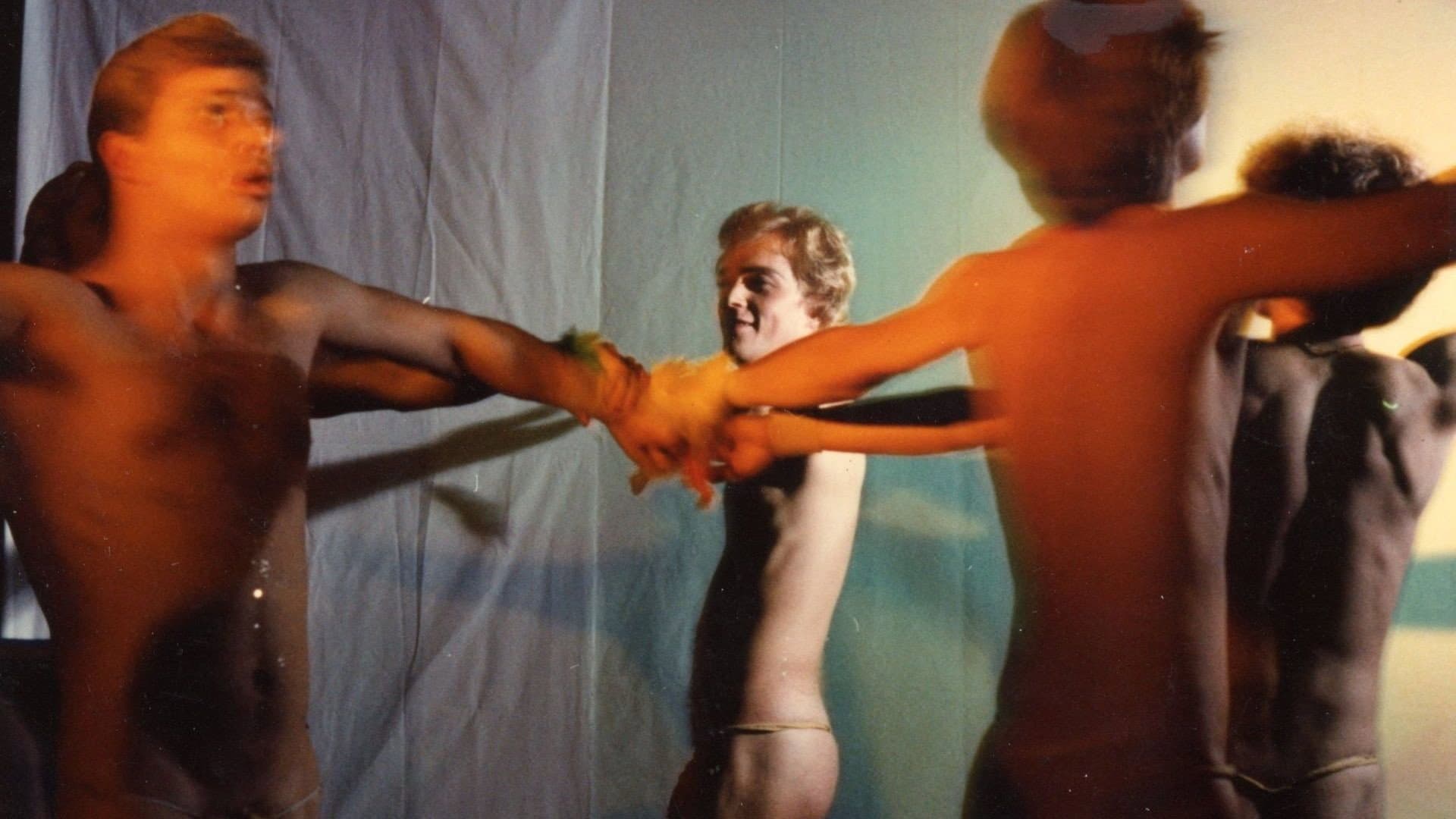
At the film's center is Jolanda, a retired archivist who stood on stage in the late 1970s alongside his friend Mummo in "Happy Gays," the first drag show staged in Finland. The performance reached television audiences, and Mummo's visibility made him one of the first openly gay men in the country. The film's title points to both the original act and the film's intent to reclaim it.
What followed is presented in the documentary as an unflinching account. According to the film, the arrival of AIDS changed the climate around men like Mummo, bringing fear and violence in its wake. In April 1988, Mummo was murdered in his home. The documentary states that police were unwilling to solve the case and that the entire crime was hushed up.
More than three decades later, Jolanda is opening his own archive and inviting a new group of drag artists to bring "Happy Gays" back to the stage. The film follows that process, moving between recovered material and present-day performance. Meeti Assefa and Wilma Schlizewski both appear as themselves in the documentary.
"Fruitcakes: Dawn of Drag" carries a 0/10 rating on TMDb, which typically reflects a title that has not yet accumulated a critical mass of user votes ahead of release.
A Story About Performance and a Story About Silence
Kuosmanen's film layers two timelines that rarely get examined in the same frame. There is the exuberant late-'70s moment when "Happy Gays" put drag on Finnish television and made Mummo a public figure, and there is the quieter, longer aftermath of loss and official neglect that Jolanda carried privately for most of his life. The decision to open the archive now gives the film its engine. Rather than treating the past as nostalgia, "Fruitcakes: Dawn of Drag" asks what can be rebuilt from documents and memories, and who gets to do the rebuilding. Casting a new generation of drag artists in a revived "Happy Gays" turns the act of remembering into a live event rather than a museum display.
The title's reference to going back to "Happy Gays" also signals an interest in revisiting history on its own terms, giving the original performers and their moment a full accounting rather than a footnote.
A Case Reopened on Screen
The murder of Mummo in April 1988, and the documentary's claim that the police were unwilling to investigate and that the crime was hushed up, gives the film a weight beyond performance history. "Fruitcakes: Dawn of Drag" treats the story not as a single tragedy but as a broader portrait of a period when fear shaped public and institutional responses, leaving generations of loss insufficiently recorded. For Jolanda, the archive is both personal and political; his willingness to speak changes the historical record even at this late date.
With a runtime of 75 minutes, "Fruitcakes: Dawn of Drag" arrives in U.S. theaters amid a cultural moment when drag performance and LGBTQ+ history are again subjects of public debate. The film's release in 2026 places it squarely in that conversation, presenting an archival case from one country while speaking to audiences well beyond it.
"Fruitcakes: Dawn of Drag" is a documentary in Finnish. It opens November 7, 2026.
Source: The Hollywood Reporter