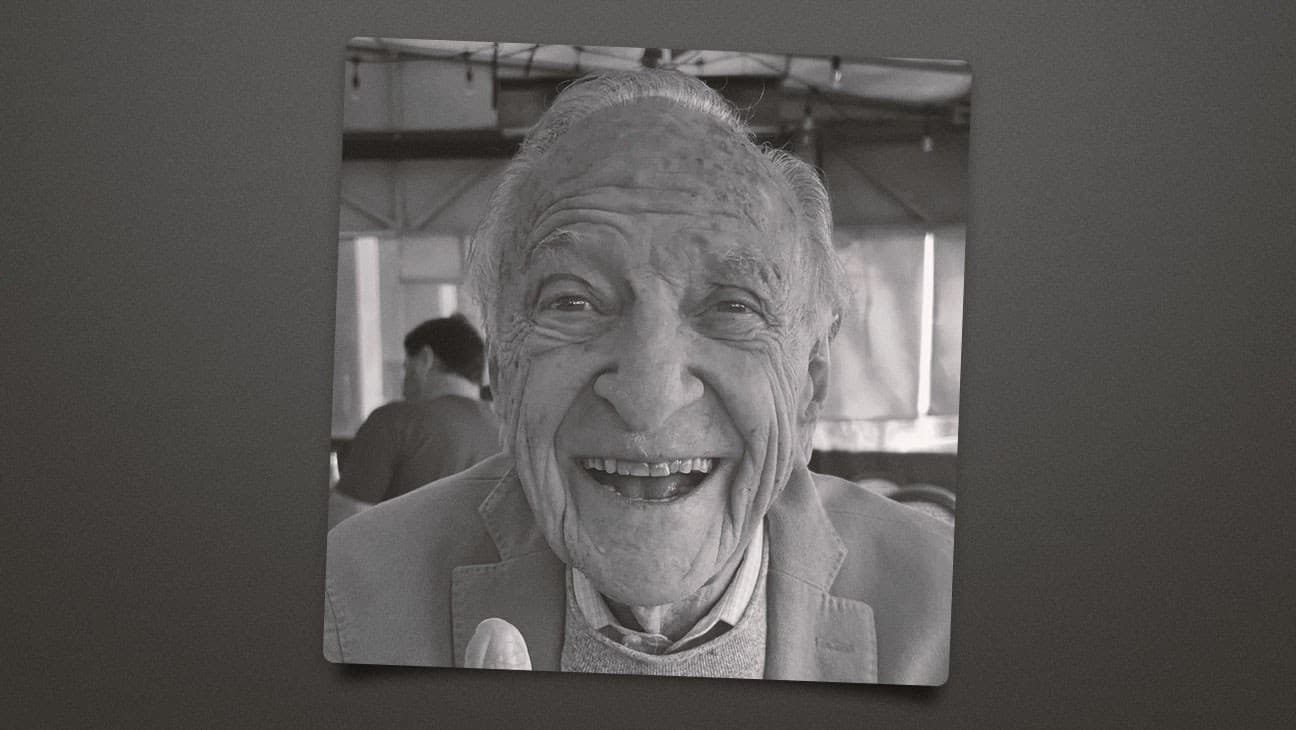
Gene Schwam, the veteran Hollywood publicist whose client roster at various points included Elvis Presley, Judy Garland and Julie Andrews, has died at the age of 96. His passing removes one of the last working links to the studio-era publicity machine and to a conception of star management that has largely vanished from the industry.
Schwam built his reputation during a period when a publicist's job was less about crisis management than about architecture - constructing the public face of a performer with the patience of a craftsman. He worked alongside some of the most recognizable names in American entertainment, and the breadth of that list says as much about his durability as it does about his taste. Presley, Garland and Andrews represent three distinct eras and three distinct kinds of fame: the rock-and-roll phenomenon, the Hollywood musical legend, and the transatlantic screen star. Schwam moved among all of them.
A Career Built on Discretion
Colleagues who worked with Schwam describe a publicist who understood that the most valuable service he could offer a client was restraint. In an era before social media turned every private moment into content, Schwam treated the boundary between a performer's public and private lives as something worth defending. He was known for preferring the quiet phone call to the press release, the relationship to the campaign.
That style placed him in a particular tradition of Hollywood publicity - one that favored long-term reputation over short-term attention. Schwam's clients were not manufactured; they were protected. And in the case of a figure like Garland, whose personal struggles became tabloid fodder, that protective instinct carried real weight.
His work with Presley came at a moment when the singer's image was being carefully managed across film, music and television. Publicists in that position were not merely arranging interviews; they were negotiating the terms on which an enormous cultural force would be presented to the world. Schwam's hand in that process places him among the people who shaped how mid-century America encountered its biggest stars.
A Changing Craft
Schwam's career spanned a transformation in how Hollywood sells itself. When he began, publicity was a studio function, tightly controlled and highly centralized. By the time he was established, independent publicists had become essential to talent, and by the end of his working life, the machinery had fractured entirely - into personal representatives, digital strategists, and an always-on news cycle that leaves little room for the kind of slow reputation-building Schwam practiced.
He was among the publicists who made the transition look seamless, though the industry around him was anything but. The decline of the studio contract system and the rise of the independent star created a new kind of client: powerful, mobile, and loyal to the people who had proven themselves over decades. Schwam's client list reflects exactly that kind of loyalty.
Tributes from across the industry have emphasized his professionalism and his longevity. Younger publicists have described him as a model of the older craft - someone who understood that a publicist's name should rarely appear in the story. It is a measure of his success that many filmgoers would not recognize his name, even as they know the careers he helped shape.
A Legacy of Representation
Schwam's death closes a chapter in the history of entertainment publicity, one defined by personal relationships and institutional memory rather than analytics and algorithms. The performers he represented are part of the permanent record of American popular culture, and the way they were presented to the public - their interviews, their appearances, their carefully guarded images - bears his imprint.
He is remembered by those who knew him as a steady presence in a volatile business, a publicist who believed that the best publicity was the kind audiences never noticed being done. In an industry that has grown louder and faster, that conviction reads as a kind of quiet integrity.
Funeral arrangements and details of survivors were not immediately available.
Source: The Hollywood Reporter