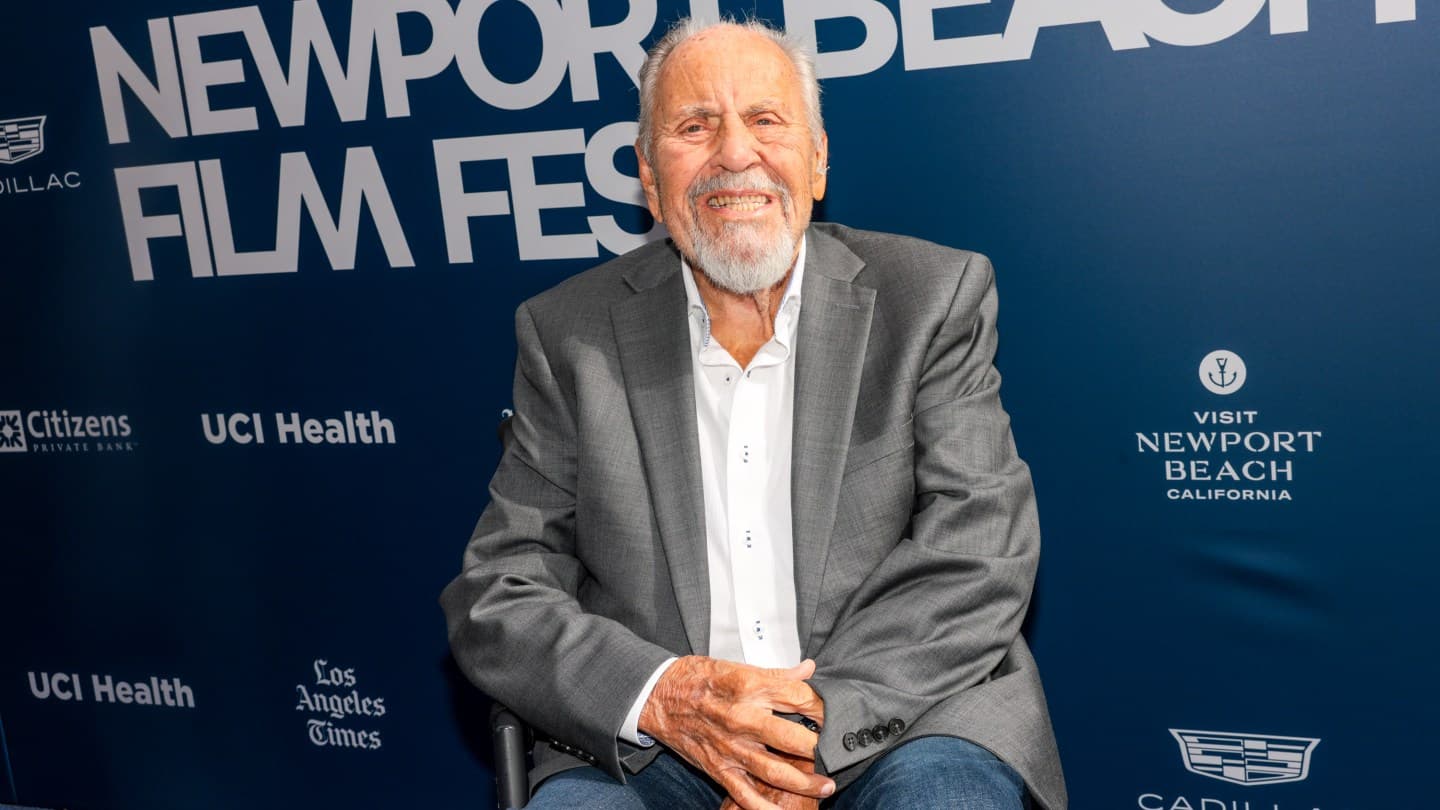
George Schlatter, the producer behind some of American television's most anarchic and influential comedy, has lined up a distribution deal for a documentary about his life and career. Freestyle Digital Media will handle the release of the film, which traces a run that stretches from the Golden Age of variety television through the surreal 1960s and into decades of specials, tributes, and small-screen experiments. The agreement gives Schlatter's story a formal home at a distributor known for championing independent and nonfiction work.
For viewers who know the name mainly as a credit on "Rowan & Martin's Laugh-In," the documentary promises to widen that picture considerably. Schlatter was a working producer long before the show's rapid-fire jokes, catchphrases, and flower-power visuals became a national ritual, and he remained active well after it left the air. His career is inseparable from the loosening of broadcast comedy in the late 1960s, when network variety was still a relatively polite form and Schlatter's instincts ran toward the chaotic, the topical, and the delightfully rude.
A Career Built on Disruption
Schlatter's reputation rests on his willingness to treat television as a live wire rather than a display case. "Laugh-In" arrived at a moment when the country was fracturing over politics and generational change, and the show channeled that fracture into a sketch-and-joke format that felt less like a program than a party crashing the network schedule. Its rapid cutting, catchphrase culture, and willingness to let performers like Lily Tomlin and Goldie Hawn loose in absurdist bits influenced comedy for years afterward.
What the new documentary is expected to do is move past the familiar highlight reel. Schlatter's career included producing specials and celebrations of other entertainers, and his relationships across the industry give the film a deep bench of voices. A documentary built around those interviews has the potential to function as a history of post-war show business told through one obsessive producer's address book.
Freestyle Digital Media routinely handles titles that need a focused, independent release rather than a wide theatrical push. For a documentary about a television figure whose biggest hits predate the streaming era, that model makes sense. It also allows the film to reach audiences who discovered "Laugh-In" through reruns, DVDs, or clips passed around online, as well as those who were there the first time.
The Freestyle Fit
Independent distributors have become important outlets for show-business documentaries, particularly ones built around archival material and first-person testimony. Freestyle's involvement signals that the Schlatter film will be positioned as both a personal portrait and a cultural history, rather than a niche tribute for insiders. The distribution pact also suggests the documentary is close to finished, since such deals typically follow a completed cut.
Schlatter's story has the makings of a compelling documentary because it contains genuine conflict. He built his reputation on testing network censors and Standards and Practices departments, and the battles over what could be said and shown on air are a longstanding theme in accounts of his career. A film that examines those fights can say something larger about how American comedy negotiated its boundaries, and about who was willing to push at them.
There is also the sheer breadth of the material. Variety television was a factory of talent in the 1960s and 1970s, and a producer at Schlatter's level crossed paths with comedians, musicians, and network executives alike. The documentary's archival component is likely to be substantial, a kind of moving scrapbook of an era when the major networks were the only game in town.
The film arrives at a moment when comedy history is getting renewed attention, as streamers mine the archives of past decades for documentary subjects and audiences revisit the styles that shaped today's performers. Schlatter, now in his nineties, is among the last major producers who can speak firsthand about the era when a single variety hour could dominate the cultural conversation.
No release date or platform details were part of the announcement. Freestyle Digital Media generally releases titles across digital and cable video-on-demand, and further specifics are expected closer to launch. For now, the news confirms that one of comedy's great backstage operators will get a full-length portrait, and that the documentary will carry the imprimatur of an independent distributor willing to bring it to screens.
Source: The Hollywood Reporter