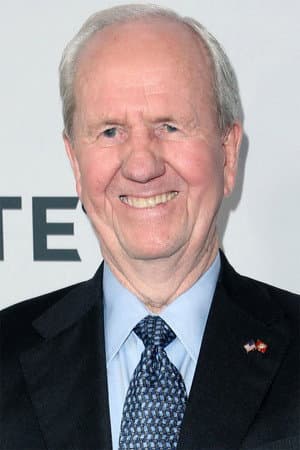
Gerald R. Molen, the veteran producer who shared a best picture Oscar for "Schindler's List" and helped bring some of the most successful films of the late twentieth century to the screen, has died at 91. News of his death circulated on Wednesday, drawing tributes from colleagues and admirers who recalled a filmmaker whose credits ranged from sober historical drama to crowd-pleasing blockbusters.
Molen was a late bloomer by Hollywood standards, having come to producing after years of work behind the scenes on location. That grounding gave him a reputation as a practical, unglamorous presence on set, a producer who worried about schedules, budgets and the unglamorous logistics that keep a production moving. It was a temperament that suited him to long, demanding shoots in difficult conditions, and it made him a trusted lieutenant to directors who needed someone to safeguard their vision while keeping the enterprise on track.
A Defining Partnership With Steven Spielberg
Molen's most celebrated collaboration was with Steven Spielberg, for whom he served as a producer on several films across the 1990s. The high point came with "Schindler's List," the 1993 drama about a German industrialist who used his factory to shelter Jews during the Holocaust. Made largely in black and white and shot in Poland, the film was an emotionally punishing undertaking for everyone involved. It went on to win seven Academy Awards, including best picture, a prize Molen shared with Spielberg and Branko Lustig.
The win cemented Molen's standing in the industry, but he rarely spoke of it as a personal triumph. In interviews over the years, he described the production as a responsibility rather than an achievement, and he consistently credited the survivors whose stories underpinned the film. Colleagues said the experience shaped the rest of his career, leaving him with a preference for material that carried weight and a distaste for empty spectacle.
That partnership continued with "Jurassic Park," the 1993 dinosaur adventure that became a global phenomenon and reshaped the modern blockbuster. Molen served as a producer on that film as well, an assignment that placed him at the center of two of the year's defining releases, one a somber meditation on conscience and the other a thrill ride built on then-revolutionary visual effects. The pairing became a touchstone for how a single producer's range could span the commercial and the profound.
From the Blockbuster Era to Historical Drama
Molen's filmography stretched well beyond those two landmarks. He worked on "The Lost World: Jurassic Park," returned to the Second World War with "Amistad," and lent his experience to "Minority Report" in the early 2000s. Later credits included "The Last Mimzy" and a producer role on "Cowboys & Aliens." He also worked outside the Spielberg orbit, building a career that mixed studio tentpoles with smaller, issue-driven projects.
His roots were in the crafts rather than the executive suite. Molen spent years as a unit production manager and assistant director, learning how films are actually assembled on the ground. He worked on productions in the 1970s and 1980s, including "Tootsie," before moving into producing full time. That apprenticeship gave him an instinct for spotting trouble early, a skill that directors came to value as much as his calm under pressure.
A Voice for Craft and Conviction
In later years, Molen remained a familiar figure at industry gatherings and film festivals, where he spoke about the craft of production and the importance of telling stories with moral seriousness. He was candid about his views, sometimes courting controversy with public remarks on politics and religion, but associates described him as generous with younger filmmakers and unstinting in his defense of the people who work below the line.
He is survived by his family and by a body of work that spans the multiplex and the history book in equal measure. For a producer who spent decades making sure other people's visions reached the screen, the legacy is fittingly collaborative: films that endure because someone behind the scenes made sure they were finished, and finished well.
Source: The Hollywood Reporter