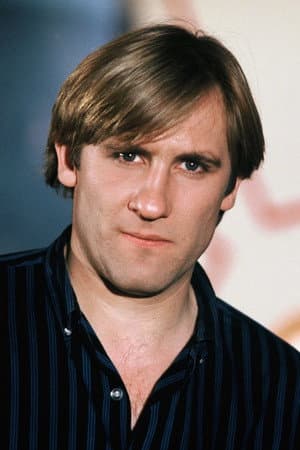
Gérard Depardieu has withdrawn his appeal against a sexual assault conviction and acknowledged his guilt, closing a legal chapter that has hung over one of French cinema's most celebrated and most controversial careers. The decision, confirmed on Monday, means the original judgment against the 77-year-old actor now stands as final.
The appeal had been scheduled to be heard in Paris, where the case was initially tried earlier this year. By abandoning the challenge, Depardieu accepts the court's finding rather than seeking to overturn it before a second panel of judges. The move represents a striking reversal for a performer who had, for years, publicly contested allegations made against him and dismissed them as unfounded. His acknowledgment of guilt is the most direct admission he has made in any of the proceedings brought against him.
The case has unfolded against a backdrop of sustained scrutiny of Depardieu's conduct, much of it stemming from a 2023 documentary that gathered testimony from multiple women who worked with him on film productions. That documentary, broadcast on French television, triggered a wider reckoning within the country's film industry and prompted a range of responses from colleagues, some of whom publicly distanced themselves while others defended him. The conviction at the center of Monday's news is separate from those accounts, but the broader controversy shaped the atmosphere in which the legal proceedings were conducted.
Depardieu's career spans more than five decades and includes some of the most internationally recognized French films of the modern era. He rose to prominence in the 1970s and 1980s, earning a reputation as a forceful and unpredictable screen presence, and later became one of the few French actors to achieve genuine crossover success in Hollywood productions. His body of work earned him numerous honors at home and abroad, including recognition at major European film festivals. In recent years, those achievements have increasingly been discussed alongside the allegations and legal battles that have come to define his public image.
The withdrawal of the appeal ends the immediate legal proceedings but is unlikely to quiet the wider debate about accountability in the French film industry. The documentary and subsequent cases intensified a conversation that had been building for years, touching on how the industry handles allegations against powerful figures and how institutions respond when celebrated artists are accused. Several organizations and industry bodies have faced pressure to clarify their positions, and the question of whether honors and retrospectives should continue for artists facing serious allegations remains unresolved.
There is also the practical question of what comes next for Depardieu professionally. In France, a conviction does not automatically end a career, and the country has a long and complicated history of separating an artist's work from their personal conduct. But the explicit acknowledgment of guilt changes the terms of that conversation. Distributors, producers and festival organizers who might previously have cited the pending appeal as a reason for caution now confront a final judgment. Whether that translates into concrete professional consequences remains to be seen.
Reaction from the industry was muted in the hours after the news broke, with few prominent figures willing to comment on the record. Advocacy groups that have supported the complainants welcomed the decision, framing it as a measure of validation for those who came forward. Representatives for Depardieu did not issue an extended statement beyond confirming the withdrawal, and it is not clear whether he intends to speak publicly about the matter in the coming days.
For the complainants, the end of the appeal process brings a legal resolution after months of public attention. The case had drawn international coverage, in part because of Depardieu's stature and in part because it became a focal point in France's broader reckoning with sexual violence in the arts. The finality of Monday's decision gives the proceedings a definitive endpoint, even as the cultural argument around his legacy continues.
Depardieu turns 78 later this year. His filmography remains extensive, and retrospectives of his work continue to be programmed in various markets, though the reception of those screenings has grown more contentious over time. For now, the actor's legal position is settled, and the industry is left to decide what that settlement means for how it remembers one of its most complicated figures.
Source: The Hollywood Reporter