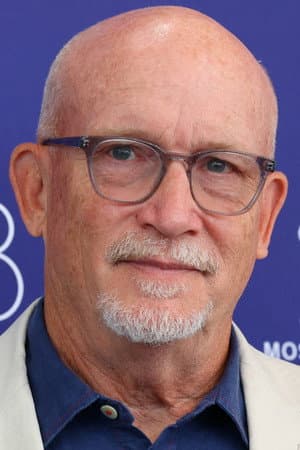
Alex Gibney has confirmed that Universal Pictures had reservations about how widely to release his documentary about Elon Musk outside the United States. The Oscar-winning filmmaker, whose film is titled "Musk," made the remarks during a public conversation in which he also recounted his unsuccessful attempt to sit down with the Tesla and SpaceX chief executive. According to Gibney, Universal officials were uneasy enough about the overseas rollout that the plans were not settled from the start.
Speaking about the episode, Gibney said he tried to arrange an on-camera interview with Musk. The response he received, in Gibney's telling, was not a scheduling conflict or a polite decline but a short written insult: "Gibney is a douche." The director repeated that line publicly and confirmed it as the substance of Musk's reply.
A Studio Weighs the Risks of a Global Rollout
That Universal would hesitate over an international release is hardly unusual for a documentary centered on a polarizing figure. Musk's businesses and public statements draw intense attention in Europe and Asia, and a film that examines his record could invite reaction in markets where his companies operate and where regulators have scrutinized them. For a studio, the calculation involves more than ticket sales: publicity, legal exposure and relationships with distribution partners all factor into how aggressively a title travels beyond its home territory.
Gibney did not describe internal debates in detail, but his account suggests the hesitation was real rather than routine. His confirmation is notable because studios rarely discuss release strategy in public, and directors rarely air it. That Gibney chose to do so underscores how much the subject matter, rather than the filmmaking alone, shapes how a project is handled.
Gibney's Track Record on Powerful Subjects
Gibney has spent decades making documentaries about institutions and the people who run them. His subjects have included financial collapse, corporate misconduct, political scandal and figures with global profiles. He has won an Academy Award and has been nominated multiple times, and his method typically combines archival material with interviews of people close to the story.
That approach depends on access. A central subject who refuses to participate leaves a filmmaker assembling the portrait from other voices, documents and recordings. In this case, the refusal came with a barb rather than a lawyer's letter. Gibney's decision to repeat the insult at a public event turns the anecdote into part of the film's own story, one in which the subject declines to engage and the director says so plainly.
The Question of Reach
Documentaries about controversial figures have historically found audiences abroad, particularly when the subject is as well known as Musk. International viewers follow American business and technology news closely, and a film with a strong point of view can generate coverage well outside the United States. That potential is exactly why a studio might weigh a wide release carefully: the same attention that sells tickets can also generate friction.
Gibney's comments leave open how far the film will ultimately travel and on what terms. Universal's role and its internal discussions remain undisclosed beyond what the director said. What is clear is that Gibney is comfortable discussing the pressure points around his film, including the resistance he encountered in trying to bring its subject to the screen himself.
For now, the headline is twofold: a major studio apparently hesitated about taking a Musk documentary overseas, and the man at the center of the film answered a request for an interview with an insult aimed at the director. Both details come from Gibney, who has not softened either one. Whether the release strategy changes in response to his remarks is a question only Universal can answer, and so far the studio has not done so publicly.
Source: Variety