Glen Powell has no interest in turning his press tour into a political forum. The actor, currently headlining a remake of The Running Man, told reporters this week that he deliberately steered clear of partisan commentary while promoting the film - and he pointed elsewhere when asked to explain why the movie underperformed at the box office.
"I don't want to talk politics," Powell said, according to remarks made during a promotional appearance. He went on to attribute the film's softer-than-hoped commercial showing to marketing cutbacks at Paramount, arguing that the studio scaled back its spend on the campaign.
The comments land at an awkward moment for a movie whose source material is steeped in dystopian satire. The original Running Man, released in 1987, imagined a collapsed global economy and a totalitarian American police state that pacifies its citizens with televised game shows where convicted criminals fight for their lives.
A 1987 Cult Favorite Gets a Second Run
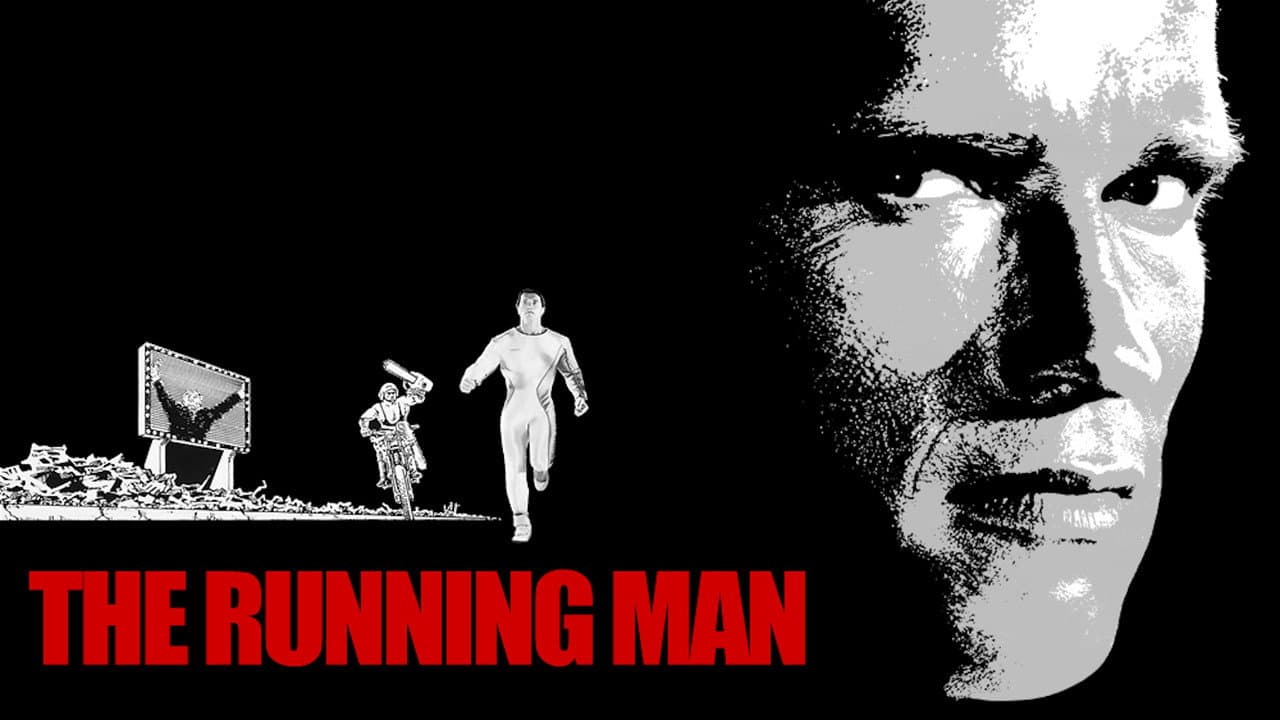
The earlier film, directed by Paul Michael Glaser, starred Arnold Schwarzenegger as Ben Richards, a runner forced into a lethal televised contest hosted by the ruthless Damon Killian, played by Richard Dawson. Contestants attempt to evade "stalkers" and certain death for a chance at a pardon. The cast also included María Conchita Alonso as Amber Mendez, Yaphet Kotto as William Laughlin, Jim Brown as Fireball, Jesse Ventura as Captain Freedom, Erland van Lidth as Dynamo, and Marvin J. McIntyre as Harold Weiss.
That version ran 101 minutes and carried a TMDb rating of 6.544 out of 10. It blended action, thriller, and science fiction, and it arrived in theaters on November 13, 1987 - a production mounted in English by Hollywood.
Whether audiences will embrace a new take on the same premise remains an open question. Powell's remarks suggest the answer, at least in his view, has less to do with the film's politics than with how loudly the studio shouted about it.
The Marketing Argument
Powell's claim is blunt: Paramount trimmed the marketing budget, and the box office suffered as a result. He did not offer specific figures, and the studio has not publicly responded to his characterization of the campaign.
That framing is a familiar one in Hollywood, where stars and filmmakers frequently fault promotional spending when a release fails to catch fire. It also shifts the conversation away from the film's content - a useful move for a lead actor who has just declared his reluctance to wade into political debate.
Still, the choice to promote a dystopian thriller while declining to discuss its political dimensions is a notable one. The premise of The Running Man, in both its original and current forms, centers on state control of media, the pacification of a struggling populace, and the spectacle of violence as entertainment. Those themes have historically invited comparison to real-world politics, whether or not the people making the movie wish to engage with them.
What Comes Next
For Powell, the strategy appears to be simple: keep the focus on the film itself, or on the studio's handling of it, rather than on any ideological reading. Whether that approach helps or hurts the movie's longer commercial tail is unclear.
What is clear is that the actor is not looking for a fight over politics on the press circuit. He has said as much directly, and he has offered a different target for any frustration about the release's performance.
Paramount has yet to comment on Powell's remarks. The studio's marketing decisions, and any internal reasoning behind them, remain undisclosed.
For now, the story is less about the movie's dystopian future than about the more ordinary machinery of Hollywood: budgets, campaigns, and the question of who takes the blame when a release does not connect the way its backers hoped. Powell, for his part, has made his position known - no politics, and no shortage of frustration with how the film was sold.
Source: The Hollywood Reporter