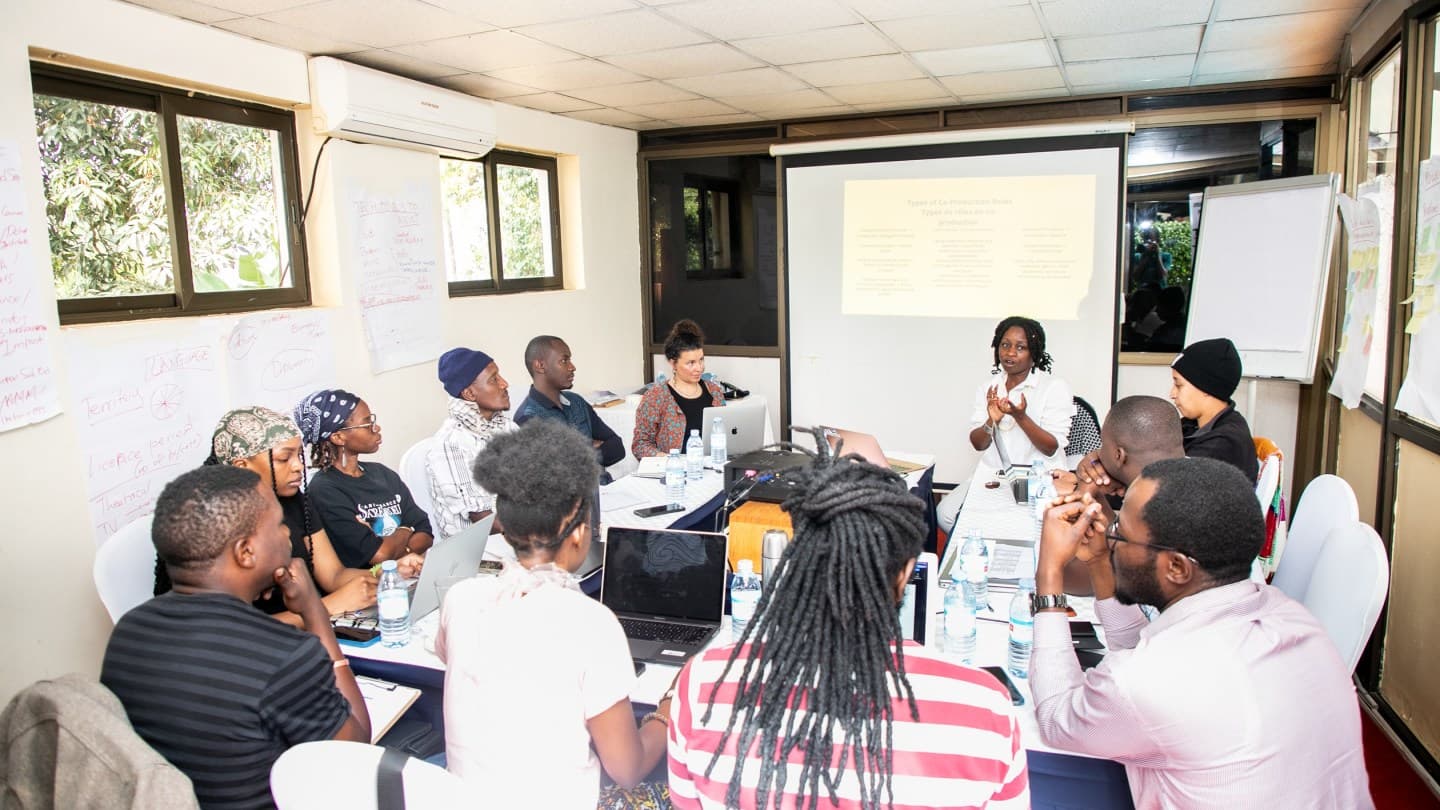
Fifteen producers representing seven African nations have been named to the latest cohort of the Great Lakes Creative Producers Lab, a training and mentorship initiative designed to strengthen the region's film production pipeline and connect emerging talent with established industry professionals.
The selection marks another step in the lab's effort to build a network of producers capable of moving projects from development through financing and into international markets. The cohort draws from across the Great Lakes region, reflecting the program's emphasis on cross-border collaboration at a time when African cinema continues to attract growing attention from festivals, streamers and international co-production partners.
A Regional Focus With Global Ambitions
The lab's structure pairs producers with mentors and provides workshops covering project development, financing, distribution and festival strategy. Organizers have framed the program as a response to a persistent gap in the region: a wealth of creative talent but too few producers with the resources and connections to shepherd projects onto the world stage.
For the fifteen selected producers, the lab offers more than instruction. It provides access to a peer network that spans borders, a rarity in an industry where filmmakers often work in isolation and where financing can be difficult to secure locally. The cohort format is intended to encourage co-productions and shared resources among participants whose countries share cultural and linguistic ties but whose film industries operate under very different conditions.
Building a Producer Pipeline
The Great Lakes Creative Producers Lab has positioned itself as one of several initiatives across the continent aimed at professionalizing the producer role. While directors and actors often receive the bulk of public attention, industry observers have long argued that the shortage of experienced producers is one of the biggest obstacles to sustainable film industries in Africa.
Producers in the region frequently wear multiple hats, handling everything from fundraising to logistics to marketing. Structured labs aim to give them dedicated time to develop their own projects while learning from mentors who have navigated international markets. The emphasis on practical skills, rather than theory alone, has become a hallmark of such programs.
The selection of fifteen participants from seven countries also underscores the lab's regional identity. The Great Lakes area encompasses some of the continent's most dynamic film scenes, including countries with established festival circuits and others where production infrastructure is still maturing. Bringing producers from these varied contexts into a single cohort is meant to foster exchange and expose participants to different models of financing and distribution.
What Comes Next
Participants are expected to leave the lab with strengthened project slates, new industry contacts and a clearer understanding of how to package and pitch their work to international partners. Organizers have consistently stressed that the lab's success should be measured over the long term, by the projects that reach production and the careers that gain traction.
For the broader African film sector, the cohort represents a small but meaningful addition to a growing pool of producers with formal training and international exposure. As streaming platforms and festival programmers continue to search for fresh voices, the producers emerging from programs like this one are likely to play an outsize role in determining which stories reach global audiences and on what terms.
The lab has not disclosed further details about the individual participants or their projects, and additional information about the program's upcoming sessions was not immediately available. What is clear is that the initiative is betting on a simple proposition: that stronger producers make for stronger films, and that the Great Lakes region has both the stories and the talent to compete on the world stage, provided the right support structures are in place.
Source: The Hollywood Reporter