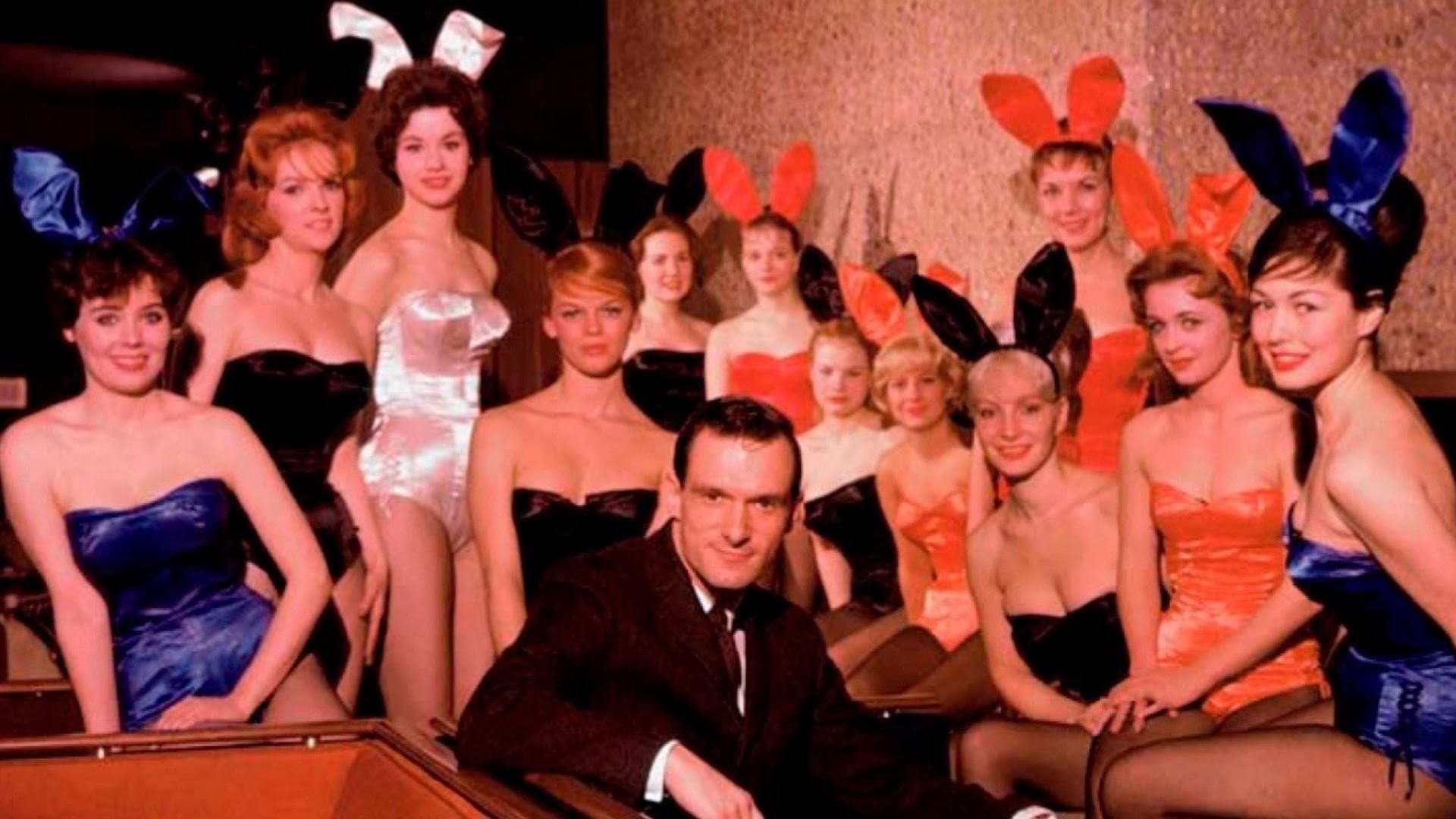
The long-running public conversation about Hugh Hefner's legacy took another turn this week when his ex-wife, Kimberley Conrad Hefner, offered a warm recollection of the late Playboy founder - remarks that landed just after Crystal Harris, his widow, publicly asked Jessica Biel to rethink her decision to portray Hefner's wife on screen.
Conrad Hefner, who was married to Hefner from 1989 to 2010 and is the mother of two of his sons, described him as a "true gentleman" in comments that circulated widely online. Her characterization stands in sharp contrast to the more critical portrait that has emerged in recent years, particularly as dramatized projects have revisited the darker corners of his personal life.
The timing of her remarks was hard to miss. Harris, who was married to Hefner from 2012 until his death in 2017, has been the most vocal defender of her late husband as she pushes back against a forthcoming television project in which Biel is set to play her.
Biel's casting becomes the flashpoint
At the center of the dispute is a limited series that dramatizes the final years of Hefner's life, with Biel cast as Harris. The project is based on a heavily reported account of the period and aims to examine the relationship through a more skeptical lens than the glossy image Playboy long cultivated.
Harris has made no secret of her objections. She has argued that the source material is one-sided and that Biel, whom she regards as a serious and empathetic performer, should walk away from the role rather than lend her credibility to a depiction Harris considers distorted. She has framed the appeal less as an attack on Biel than as an invitation to weigh what the part asks of her.
Biel has not responded publicly to the request, and producers have given no indication that the production will change course. That silence has done little to cool the debate.
Conrad Hefner's decision to speak up adds a new dimension because she occupies unusual ground. She is neither a combatant in the current fight nor a newcomer to the scrutiny that surrounded Hefner's household. During her marriage she lived inside the world that the series intends to interrogate, and she has generally avoided weighing in on the contested versions of his life that followed.
A legacy disputed from several directions
Her description of Hefner as a gentleman echoes the way many who knew him privately remember the man behind the robe and the mansion. He built a media empire on a carefully managed persona, and those closest to him have often insisted the public caricature missed much of the person.
Critics see it differently. A wave of reporting and memoir writing, including accounts from former Playmates, has documented a controlling environment operating behind the fantasy. That body of work is the foundation the new series rests on, and it is precisely what Harris contends is unfair.
"The timing of her remarks was hard to miss."
So the current argument is really three arguments overlapping. There is the question of how a famous life should be dramatized - with sympathy, with skepticism, or somewhere between. There is the question of who gets to define a person's legacy: the spouses who lived with him, the women who worked inside his empire, or the journalists who later reconstructed it. And there is the narrower, more practical question of whether an actor bears responsibility for the real people behind the roles she takes.
Harris's plea to Biel puts that last question in unusually direct terms. It is rare for a subject of a drama to address the performer directly and ask for a reconsideration, and rarer still for such a request to become a story in itself before cameras have even started rolling in earnest. Whatever Biel decides, the exchange has already shaped how audiences will approach the series.
What comes next
For now, the project remains in development, and none of the principals have signaled a change in plans. Biel has stayed quiet, Harris has continued to make her case, and Conrad Hefner's kind words have given the debate one more voice - this one from inside a marriage that ended long before the current controversy began.
The result is a dispute that is less about any single performance than about who controls the story of a man who spent his life controlling his own image. That contest shows no sign of resolving soon, and the series, whenever it arrives, will enter a conversation that is already well underway.
Source: Variety