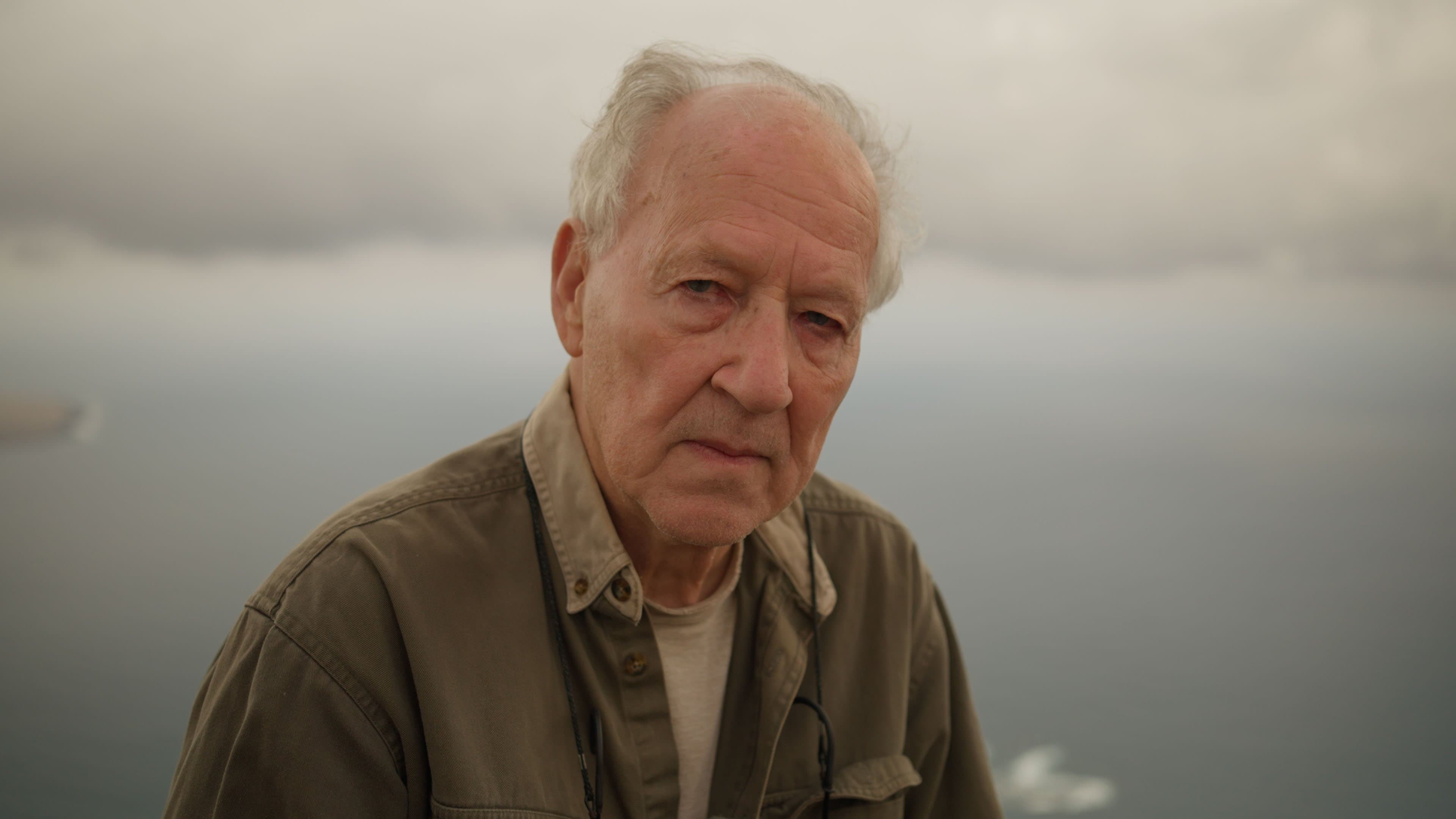
Werner Herzog received the Donostia Award at the opening night of the San Sebastian International Film Festival, accepting the career honor in a ceremony that repeatedly turned toward political subjects, from the war in Gaza to the treatment of journalists and the rise of authoritarian politics in Europe.
The veteran German filmmaker, known for a body of work that spans fiction and documentary and stretches back more than half a century, was greeted with a long standing ovation as he walked onstage. He accepted the award in his customary deadpan style, at one point remarking that he had never expected to still be making films at his age, then quickly turning serious as he addressed the state of the world.
Herzog used his acceptance speech to lament what he described as a global failure of nerve, arguing that artists and institutions have grown too cautious about speaking plainly. He said that he had spent his career seeking out extremes, and that the impulse to look directly at uncomfortable realities has never felt more necessary. He added that he considers cowardice the defining vice of the present moment, a remark that drew sustained applause from the audience.
The Donostia Award is San Sebastian's highest honor, traditionally given to a single figure whose career has left a lasting mark on cinema. Herzog is the latest in a line of recipients that includes actors, directors, and producers from across the international film world. The festival has handed out the award for decades, and it remains one of the most closely watched prizes on the European circuit, in part because it often signals which filmmakers the industry is choosing to celebrate at a particular moment.
Herzog was not the only figure to inject politics into the evening. Several speakers from the stage addressed the humanitarian situation in Gaza and called for a ceasefire, while others criticized restrictions on press freedom in various countries. Organizers had indicated in advance that the festival would not shy away from contentious topics, and the opening gala reflected that posture. The ceremony, held in San Sebastian's Kursaal Palace, unfolded under unusually heavy security, with a small demonstration by pro-Palestinian protesters taking place near the venue before the event began.
Herzog's career and the award's significance
Herzog first came to international attention in the 1960s and 1970s as part of a generation of German filmmakers who rejected the polished conventions of postwar commercial cinema. His collaborations with the actor Klaus Kinski produced some of the most celebrated films of that era, including "Aguirre, the Wrath of God" and "Fitzcarraldo," both of which became defining works of New German Cinema. His documentaries, among them "Grizzly Man" and "Cave of Forgotten Dreams," drew large art-house audiences and cemented his reputation as a filmmaker who is as interested in obsession and physical extremity as he is in narrative form.
In recent years Herzog has remained prolific, alternating between documentary projects and occasional acting roles, and maintaining a public presence through interviews and books. He has also become a familiar figure to younger audiences through his distinctive speaking style and frequent commentary on topics far outside cinema. The San Sebastian award recognizes the full arc of that career rather than any single film.
A festival under pressure
San Sebastian has long positioned itself as a bridge between European and Latin American cinema, and this year's edition includes a substantial slate of titles from both regions. But the festival, like many cultural institutions in Europe, has faced mounting pressure to take positions on political events, particularly since the escalation of hostilities in the Middle East. The decision to allow political statements on opening night was widely read in the Spanish press as an attempt to preempt criticism that the festival is insufficiently engaged.
Herzog's own relationship to political filmmaking has always been complicated. He has resisted being labeled an activist director and has often said that he is drawn to stories about individuals rather than causes. Yet his acceptance speech made clear that he is willing to use a platform like San Sebastian to say what he thinks. He closed his remarks by urging the audience to remain curious, calling curiosity a form of resistance, and then walked offstage without taking questions.
The festival continues through the coming days with a full program of premieres and industry events. Herzog's award, and the political tenor of the ceremony, is likely to remain one of the edition's most discussed moments.
Source: The Hollywood Reporter