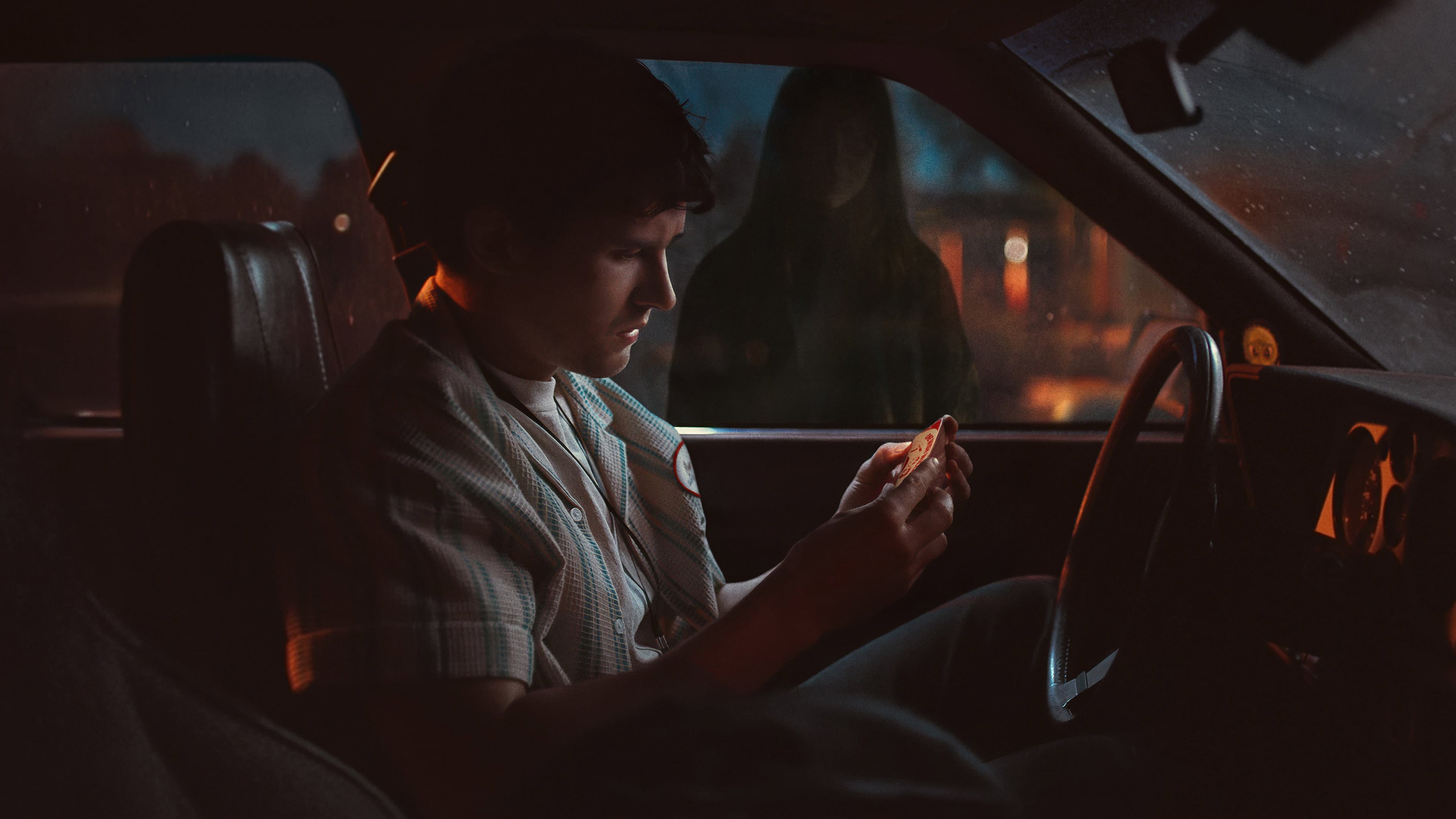
Horror has shed its stigma and become one of the most sought-after genres on the international market, and the evidence was on full display at Rome's MIA market, where buyers and sellers converged with a single question driving much of the conversation: where is the next Obsession and the next Backrooms? The two titles have become shorthand for a new commercial reality in which modestly budgeted horror can travel across borders, launch careers, and turn festival buzz into global revenue. What was once treated as a niche corner of the business is now a central pillar of acquisition strategy.
The MIA market, held each year in the Italian capital, has long served as a meeting point for producers, distributors, and financiers working across film and television. This edition found the horror aisle busier than ever, with sales agents reporting that genre titles were drawing attention from buyers who might once have overlooked them. The mood was captured by the phrase circulating through the halls: horror is now cool. It is a sentiment that reflects changing audience habits as much as changing industry math.
A Genre That Crosses Borders
Part of horror's appeal lies in its portability. Unlike comedy, which often depends on local references and language-specific rhythm, fear translates with remarkable ease. A shadowy corridor, a creaking door, a figure at the end of a hallway - these images require little explanation. That universality has made horror a favorite for distributors looking to fill slots across multiple territories without the localization headaches that accompany other genres.
The genre also offers filmmakers a way to make an impression with limited resources. A strong concept and a distinctive visual language can carry a horror film further than a big budget might carry a drama. Producers at MIA noted that financiers are increasingly drawn to projects with clear hooks and contained settings, the kind of high-concept premises that can be pitched in a single sentence and marketed with a single image.
The Obsession Effect
The success of Obsession has become a reference point for the industry, a reminder that a well-executed horror title can break out of its expected niche and reach audiences well beyond the genre's core fans. Buyers at the market spoke of looking for films with the same ingredients: a relatable premise, escalating tension, and a filmmaker with a strong point of view. The goal is not simply to copy a formula but to find the next project that can generate the same kind of word-of-mouth momentum.
That search has made the market more competitive. Sales agents reported heightened interest in horror slates, with some noting that acquisition teams are now reviewing genre projects earlier in the process than they once did. The consequence is a more crowded field, but also a more ambitious one, as filmmakers push against familiar tropes in hopes of standing out.
Chasing the Backrooms
If Obsession represents a model for breakout success, Backrooms represents something else entirely: a demonstration of how internet-native concepts can migrate into mainstream cinema. The idea, born of online folklore about endless liminal spaces, resonated with audiences who recognized something unsettling in its familiar yet wrong environments. Its path from viral phenomenon to film property has become a case study in how studios and producers now scout for material.
At MIA, the lesson was not lost on attendees. The next breakout may not come from a traditional pitch deck but from a story that has already found an audience online. Producers are scanning forums, short-form video platforms, and fan communities for concepts with built-in awareness, looking for the kind of idea that arrives with an audience already curious. Horror, with its short-form-friendly imagery and concept-driven nature, is especially suited to this approach.
What Buyers Are Looking For
The consensus among attendees was that the horror boom is not a passing trend but a structural shift in how the market views genre filmmaking. Buyers are seeking projects that combine commercial potential with a distinctive voice, and they are willing to take chances on first-time directors who bring a clear vision. The genre has become a proving ground, a place where new talent can emerge and where established filmmakers can experiment.
For producers, the message from Rome was clear: the appetite for horror is strong, but the competition is fierce. Standing out requires more than a masked killer or a haunted house. It requires a concept that travels, a filmmaker who understands the craft, and a campaign that can reach audiences across platforms. The hunt for the next Obsession and the next Backrooms is on, and at MIA, the search felt less like a trend and more like the new normal for an industry that has learned to embrace the dark.
Source: The Hollywood Reporter