The Hunger Games: Sunrise on the Reaping has been in theaters since November 18, and while audiences are still debating the film's harrowing portrayal of the 50th Hunger Games, one element has drawn nearly universal praise: its music. The prequel, set 24 years before Katniss Everdeen's story begins, uses score and song to chart Haymitch Abernathy's transformation from District 12 teenager to the broken victor audiences met decades later, and the soundtrack has become one of the most discussed aspects of the release.
Directed by Francis Lawrence, who has shepherded the franchise since Catching Fire, the film runs 159 minutes and carries a 7.8 rating on TMDb and 7.6 on IMDb. Joseph Zada leads as Haymitch, supported by Mckenna Grace, Jesse Plemons, Ralph Fiennes, Glenn Close, Whitney Peak, Elle Fanning, and Kieran Culkin. Critics have singled out how the music tracks the story's emotional arc, particularly in the film's back half.
A Reaping Day That Refuses to Announce Itself
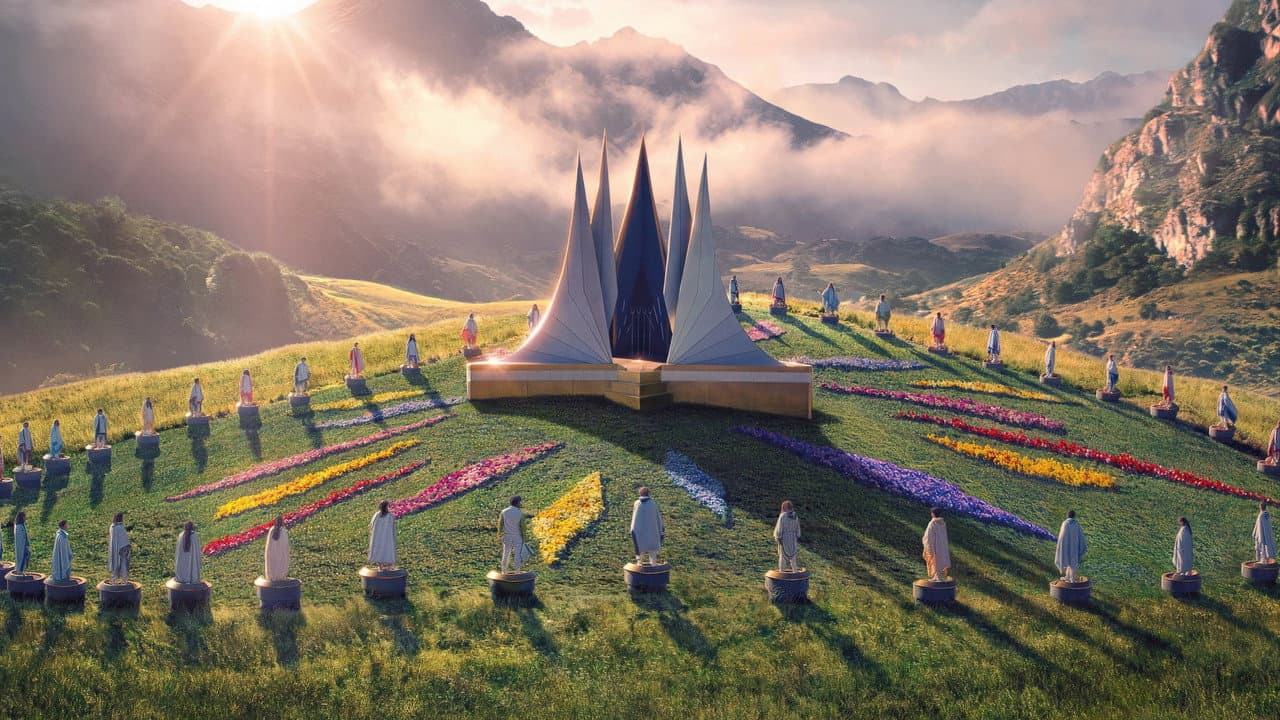
The movie opens on the morning of the Second Quarter Quell reaping, and the soundtrack makes an early statement by refusing to behave like a typical franchise opener. Rather than a triumphant theme, the first stretch leans on sparse strings and low woodwinds, keeping the audience in District 12's coal-dusted routine before the terror of the day arrives. The restraint pays off once the tributes are chosen, when the score allows itself its first full orchestral swell. It is a deliberate choice that mirrors the film's larger approach: the horror of the Games lands harder because the music does not warn you it is coming.
Haymitch's Theme, Played Three Different Ways
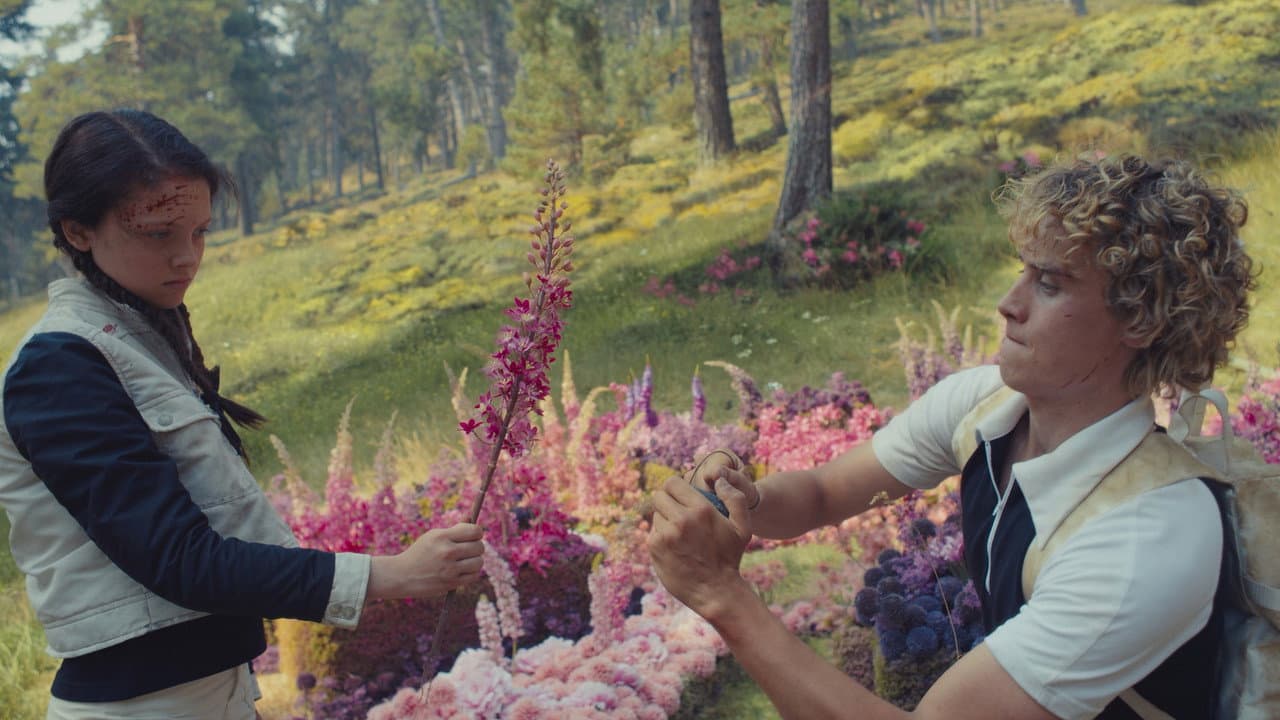
The centerpiece of the soundtrack is a recurring melody tied to Zada's Haymitch, introduced quietly in his earliest scenes with his family and Lenore Dove, played by Whitney Peak. The film revisits the theme in increasingly damaged forms, and the third iteration, heard during the arena sequence, strips it down to a handful of notes. The effect is that viewers who noticed the melody early feel the character's loss without a line of dialogue explaining it. Zada's performance has been widely praised, and the score gives him room to let silence and music carry moments that dialogue would only weigh down.
Maysilee Donner's Arena Music
Mckenna Grace's Maysilee Donner gets a distinct musical identity, brighter and more melodic than anything around it, which makes her alliance with Haymitch one of the film's warmest stretches. The soundtrack shifts noticeably during their scenes together, and the melody associated with her has become a fan favorite in the days since release. Without spoiling the film's most talked-about turn, the music's withdrawal at a crucial point has been cited by viewers as among the most affecting moments in the entire franchise.
The Capitol's Sound: Snow, Plutarch, and Caesar
Ralph Fiennes's President Snow and Jesse Plemons's Plutarch Heavensbee are accompanied by the Capitol's signature sound: polished, cold, and almost too pleasant. The contrast with District 12's earthy textures is one of the soundtrack's sharpest tools. Kieran Culkin's Caesar Flickerman, meanwhile, gets cues that lean on showmanship and false cheer, and Elle Fanning's Effie Trinket is introduced with a lightness that sits uneasily against the film's grim premise. Glenn Close's Drusilla Sickle is scored with a similar sheen, and the cumulative effect is a Capitol that sounds as manufactured as it looks.
What Audiences Are Saying
Reactions online have focused on how the soundtrack rewards attention, with listeners noting that melodies from early scenes return transformed in the final act. The film's release on November 18 has kept discussion alive through the Thanksgiving holiday, and the soundtrack has become a companion piece fans are revisiting after their first viewing. The prequel arrives as the fifth film in the franchise and the first to center on a Games victor's own traumatic experience, a shift the music underscores at every turn.
The Bottom Line
Sunrise on the Reaping is a science fiction action adventure in English from Hollywood, and its soundtrack is being discussed as one of the year's most purposeful. Lawrence and his music team have built a score that trusts the audience to listen closely, using recurring themes to do narrative work that dialogue cannot. For a franchise built on spectacle, the quietest musical moments here may prove the most durable. The film is in theaters now.
Source: Variety