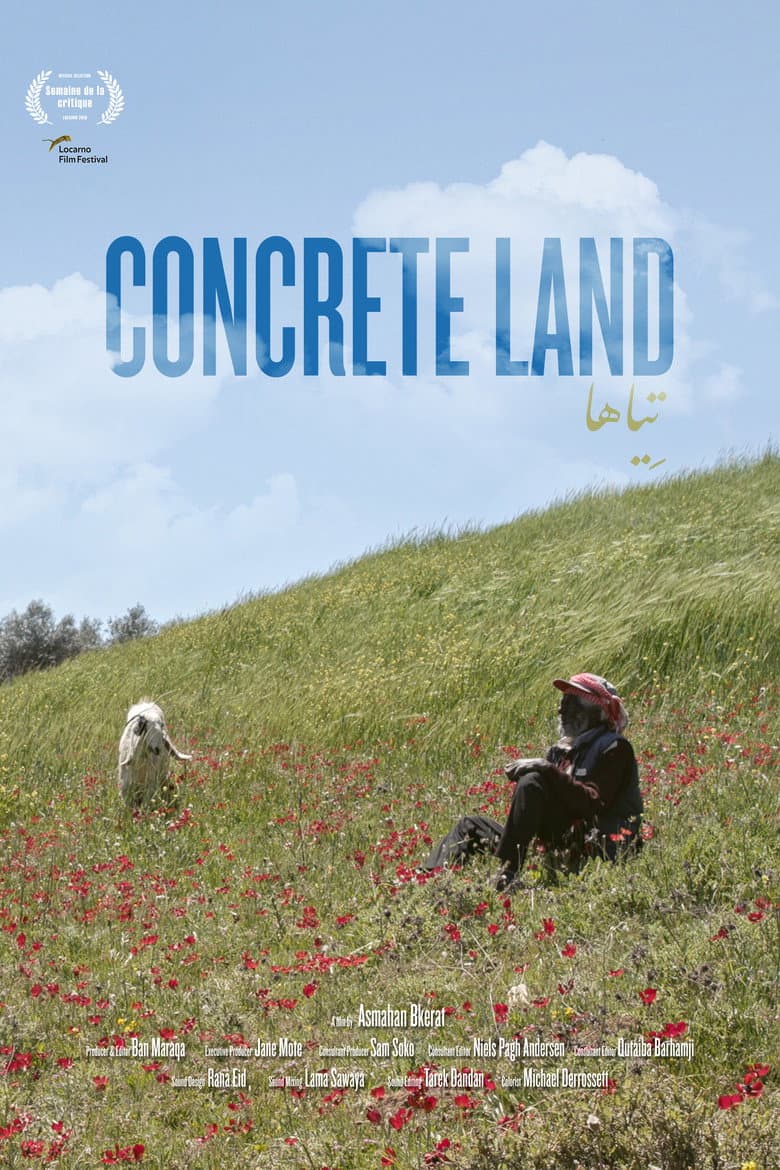
The International Documentary Association has rolled out its nominations for this year's IDA Documentary Awards, and the list is led by a trio of festival favorites: "Concrete Land," "To Hold a Mountain," and "You Can See Everything." All three landed among the organization's most-nominated titles, positioning them as the films to beat heading into the ceremony. The nods cap a strong year for nonfiction cinema, which has seen documentary attendance and awards chatter climb steadily across the fall circuit.
The IDA, a Los Angeles-based body that champions documentary makers and advocates for the field, hands out its honors in a long list of categories each year. Its nominations tend to serve as an early indicator of which nonfiction films will carry momentum through the rest of the season. This year's slate mixes established festival veterans with newer voices, and the spread of picks reflects a documentary landscape that keeps widening in form and subject.
Three Films Set the Pace
"Concrete Land," "To Hold a Mountain," and "You Can See Everything" occupy the top of the nomination tally. The three titles have been fixtures on the festival circuit, where each drew attention for its distinct approach to storytelling. Their prominence on the IDA list suggests the organization's voters responded to films that push at the edges of the documentary form rather than playing it safe.
The three films represent different corners of the nonfiction world, and the fact that they share the top of the field speaks to the breadth of this year's competition. Rather than a single frontrunner running away with the race, the IDA has spread its recognition across multiple titles, setting up a wide-open contest.
A Category-by-Category Contest
Beyond the headline nominees, the IDA's categories cover feature-length work, shorts, series, and emerging filmmakers. The organization's awards also recognize craft in cinematography, editing, and music, giving voters a chance to honor the technical sides of nonfiction filmmaking that often go unsung.
The nominations arrive as documentary distribution continues to shift. Streaming platforms have become major buyers, while theatrical runs for nonfiction films remain a tough sell outside a handful of breakout hits. The IDA's list, then, functions as both celebration and signal, pointing audiences and industry players toward the titles that have earned the most significant recognition from peers.
The Campaign Ahead
With nominations now public, the nominees enter the final stretch of campaigning before the awards are handed out. Filmmakers and their backers will spend the coming weeks courting voters, hosting screenings, and making their case to the documentary community. For the three frontrunners, the pressure is on to convert their nomination leads into wins.
For the IDA itself, the awards come amid ongoing conversations about the health of the documentary business. Funding remains a persistent challenge for independent filmmakers, and many nonfiction directors are grappling with tightening budgets and an increasingly crowded marketplace. The organization has positioned its awards as a platform to spotlight work that might otherwise struggle for attention.
What It Means for the Race
The IDA honors do not always line up with the larger awards picture, but they frequently set the tone. A strong showing here can raise a film's profile going into the winter months, when critics' groups and guilds begin weighing in. Films that arrive at the IDA ceremony with momentum often keep it.
That makes the nomination haul for "Concrete Land," "To Hold a Mountain," and "You Can See Everything" worth watching. Each now has a claim to being the documentary to beat, and the competition among them should keep the nonfiction conversation lively through the season.
The winners will be revealed at the IDA's awards ceremony later in the season, with the exact date and venue to be confirmed by the organization. For now, the nominations have done their job: they have put a spotlight on three films and a broader field that the documentary world will be debating for weeks to come.
Source: The Hollywood Reporter