The International Documentary Film Festival Amsterdam has pulled back the curtain on the lineup for its annual Forum, the industry sidebar widely regarded as one of the most important breeding grounds for non-fiction cinema in the world. This year's edition lands with a double distinction: an eclectic slate spanning subjects from manufactured weather to life inside one of the planet's most closed societies, and a structural overhaul that organizers say is meant to reflect how documentaries actually get financed, produced and sold in the current marketplace.
The Forum, which runs alongside IDFA's main festival program, functions as a matchmaking service for filmmakers and financiers. Roughly a hundred projects in various stages of development and rough-cut presentation are typically showcased to a room full of commissioning editors, sales agents, fund representatives and festival programmers. It has long served as a launching pad for titles that go on to dominate the documentary circuit, and this year's announcement suggests the selection team is betting on range over a single curatorial thesis.
A Slate Built on Contrast
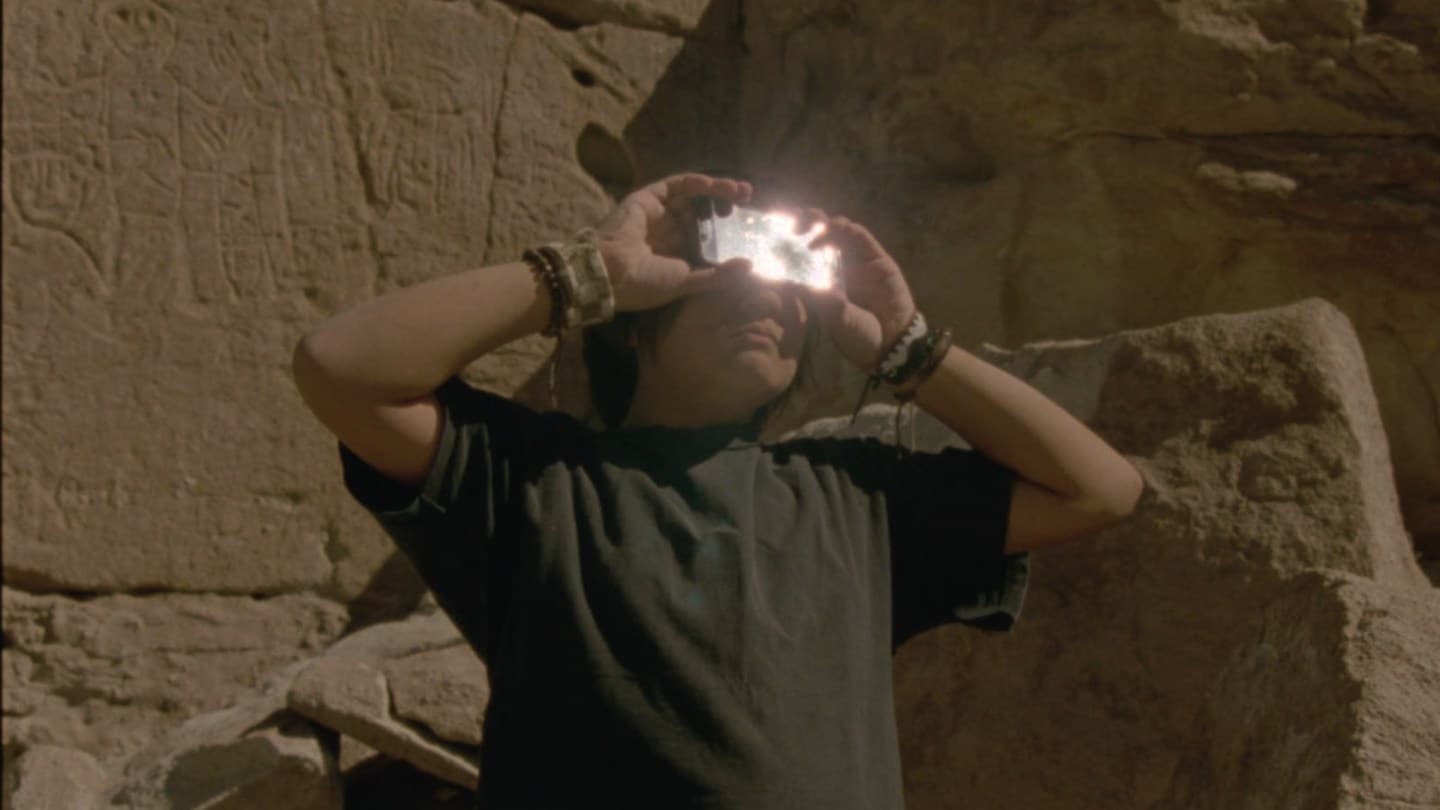
The project generating the most immediate curiosity carries the working title "Artificial Clouds," a film that appears to grapple with humanity's increasingly brazen attempts to engineer the sky itself. Details remain sparse ahead of the Forum's formal presentations, but the title alone signals a work perched at the intersection of science, commerce and hubris - territory that has proven fertile for documentary in recent seasons as climate anxiety has moved from the margins to the mainstream.
Balancing that techno-optimist subject matter is "Being North Korean," a project whose title telegraphs an intimate, human-scale approach to a nation that Western media typically renders through missile tests and state parades. Documentaries that secure access inside the country, or follow defectors and their families, occupy a rarefied space in the nonfiction world precisely because the logistical and political barriers are so steep. The Forum slot suggests the filmmakers have assembled enough material, or enough of a compelling treatment, to convince gatekeepers the project can be finished.
Between those two poles sits the rest of the slate, which according to the festival's announcement leans into personal essay work, investigative journalism and formally adventurous storytelling. IDFA has never been shy about championing directors who treat the documentary frame as a canvas rather than a window, and this year's Forum appears to continue that tradition. Several projects are expected to arrive as works-in-progress, meaning the Amsterdam audience will be among the first to weigh in on rough cuts before they lock.
Why the Format Shake-Up Matters
The substantive news buried beneath the project titles is the decision to rejig how the Forum itself operates. While organizers have not released a granular breakdown of every change, the broad strokes point to a recalibration of how pitch sessions, one-on-one meetings and feedback windows are sequenced. That may sound like inside baseball, but for the independent producers who rely on the Forum to keep their films alive, the architecture of those few days can determine whether a project gets financed or stalls indefinitely.
The logic behind the redesign is straightforward enough. Documentary financing has fragmented dramatically over the past decade. Streamers that once wrote big checks have retrenched. Public broadcasters face mounting political and budgetary pressure. Private equity and philanthropic money has rushed in to fill the gap, but those funders often want different things - impact campaigns, theatrical potential, measurable social returns - than the commissioning editors of yesteryear. A Forum format optimized for a 2015 marketplace no longer serves a 2026 one.
By reworking the schedule, IDFA appears to be acknowledging that filmmakers need more than a pitch and a handshake. They need sustained conversations, honest feedback and, increasingly, guidance on distribution strategies that don't assume a traditional broadcast sale as the endgame. The Forum has always been as much a think tank as a marketplace, and this year's adjustments seem designed to sharpen that dual identity.
The Bigger Picture
Amsterdam's position as a documentary hub has only strengthened as other markets have contracted. The festival's combination of a curated main program, a robust industry component and a city small enough that everyone inevitably runs into everyone else gives it a gravitational pull that few rivals can match. For directors from regions with limited local infrastructure, a Forum invitation can be career-altering.
That said, the Forum is not immune to the pressures reshaping the broader industry. Fewer finished films are getting picked up. Theatrical windows for documentaries have narrowed to a sliver. And the rise of AI-assisted production tools has sparked uncomfortable conversations about craft, authorship and labor that the nonfiction community is only beginning to reckon with.
Whether "Artificial Clouds" and "Being North Korean" represent the vanguard of a resilient, adaptive documentary ecosystem or merely two intriguing titles in a crowded field will become clearer once buyers, sellers and programmers descend on Amsterdam. What's already evident is that the Forum's organizers are not content to preside over a static institution. They are rewriting the rules of engagement in real time, betting that a smarter, leaner, more flexible Forum will keep independent documentary not just alive but vital.
For now, the slate stands as a statement of intent: ambitious subjects, global perspectives and a willingness to tinker with the machinery that brings those stories to screens. The documentary world will be watching closely.
Source: The Hollywood Reporter