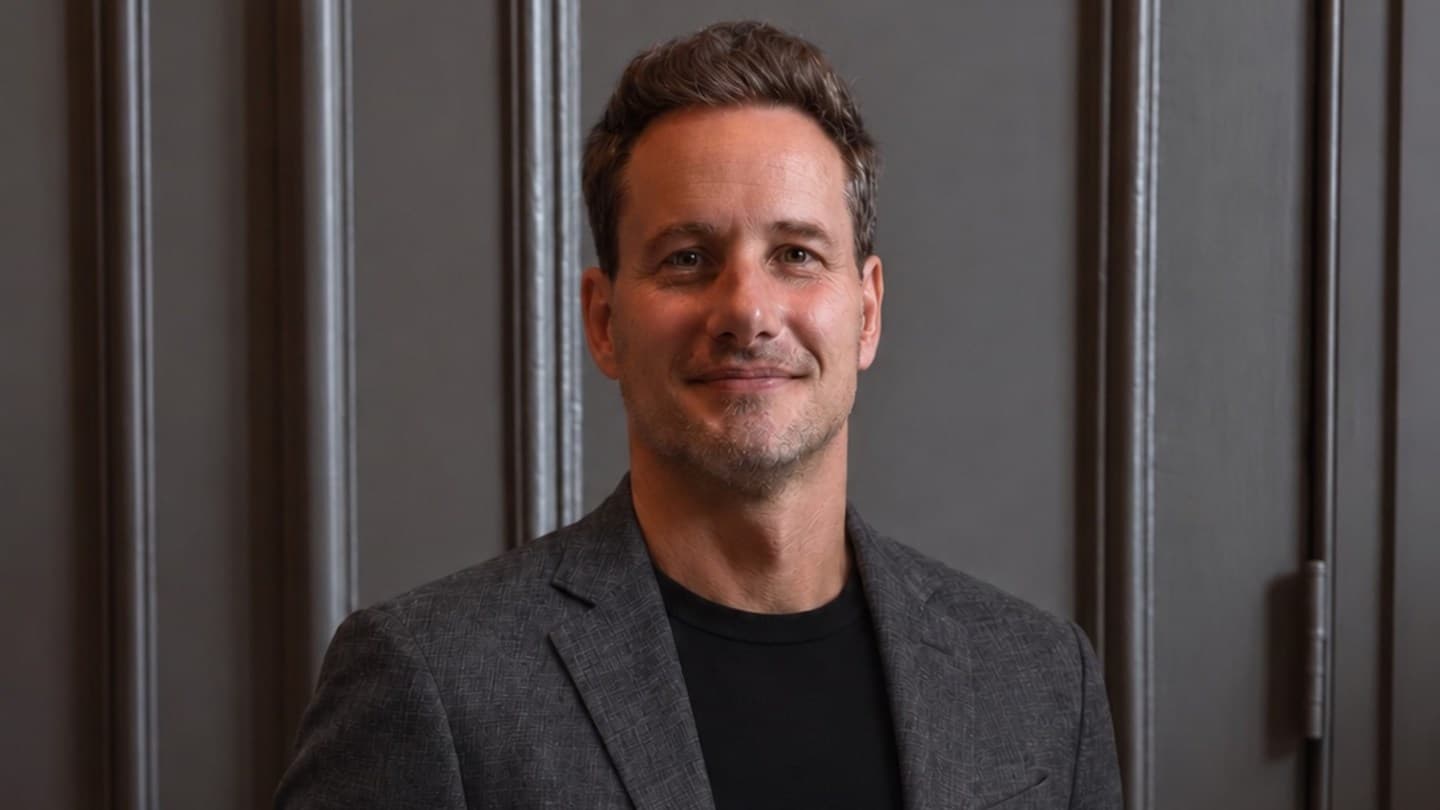
Pepijn Kuyper will take over as managing director of the International Film Festival Rotterdam, succeeding Clare Stewart in the role. The appointment hands the Dutch festival's top administrative post to a figure long associated with Rotterdam's cultural and film institutions, and it comes at a moment when IFFR, like most major European festivals, is navigating a shifting funding landscape, changing distribution habits and the perennial question of how to keep a flagship event relevant to both local audiences and the international industry.
Kuyper's selection was announced by the festival, which confirmed he will step into the managing director position following Stewart's tenure. Stewart, a widely respected festival executive who previously led the Sydney Film Festival and served in senior programming roles at the BFI London Film Festival, had overseen Rotterdam's management during a period of transition for the organization. The handover places Kuyper at the head of an event that occupies a distinctive place on the global circuit: less a glamorous awards-season launchpad than a discovery engine and a proving ground for experimental, boundary-pushing cinema.
A Rotterdam Figure Takes the Reins
Kuyper is not a newcomer to the city's cultural scene, and his profile fits the festival's preference for leadership drawn from within the Dutch creative sector rather than from abroad. That familiarity is likely to be an asset. IFFR has always been an institution deeply embedded in Rotterdam itself, and its identity is bound up with the port city's self-image as a place of reinvention and grit. A managing director who understands that local texture, while also speaking the language of international co-production and festival politics, is precisely what the role demands.
The job is also a demanding one. Managing directors at festivals of IFFR's scale juggle public funding relationships, sponsorship, staff management, audience development and the logistical machinery of an event that screens hundreds of titles across a dense program each year. The role sits alongside the festival's artistic leadership, and the balance between commerce and curation is always delicate.
What the Change Means for IFFR
Rotterdam has built its reputation on the avant-garde. Its signature strands, including the Tiger Competition for emerging directors and the Hubert Bals Fund, which supports filmmakers from regions with limited production infrastructure, have made it a destination for critics, programmers and cinephiles hunting for work that would never surface at a more mainstream festival. Stewart brought extensive international experience to the role; Kuyper now inherits an organization that must protect that experimental core while finding new revenue and new audiences in a crowded marketplace.
The leadership change arrives as European festivals broadly confront rising costs, the aftereffects of pandemic-era disruption and the long-term fragmentation of the theatrical market. IFFR has never depended on red-carpet premieres for its identity, which arguably insulates it somewhat, but its economic model still relies on public support, corporate partners and the loyalty of an audience that has many more ways to watch films than it did a decade ago. How Kuyper approaches sponsorship, digital strategy and community engagement will shape the festival's next chapter.
The Wider Festival Calendar
The appointment also matters beyond Rotterdam. IFFR is a fixture of the winter festival season, and its choices influence which films and filmmakers gain international attention each year. The Hubert Bals Fund in particular has functioned as a launchpad for directors who later become fixtures at Cannes, Venice and Berlin. A stable, well-run Rotterdam is good for the entire ecosystem, and the industry will be watching closely to see whether Kuyper maintains the festival's commitment to risk-taking programming.
For Stewart, the departure marks the close of a chapter in a career that has spanned multiple major festivals and markets. Her international perspective helped keep Rotterdam connected to the broader industry during a turbulent period. Kuyper's task now is to build on that foundation while bringing his own stamp to an institution that has always prized independence and discovery over convention.
The festival's next edition will offer the first real test of how the new leadership intends to steer Rotterdam. For now, the announcement signals continuity as much as change: a festival turning to a familiar face from its home city as it prepares for the next phase of its long history.
Source: The Hollywood Reporter