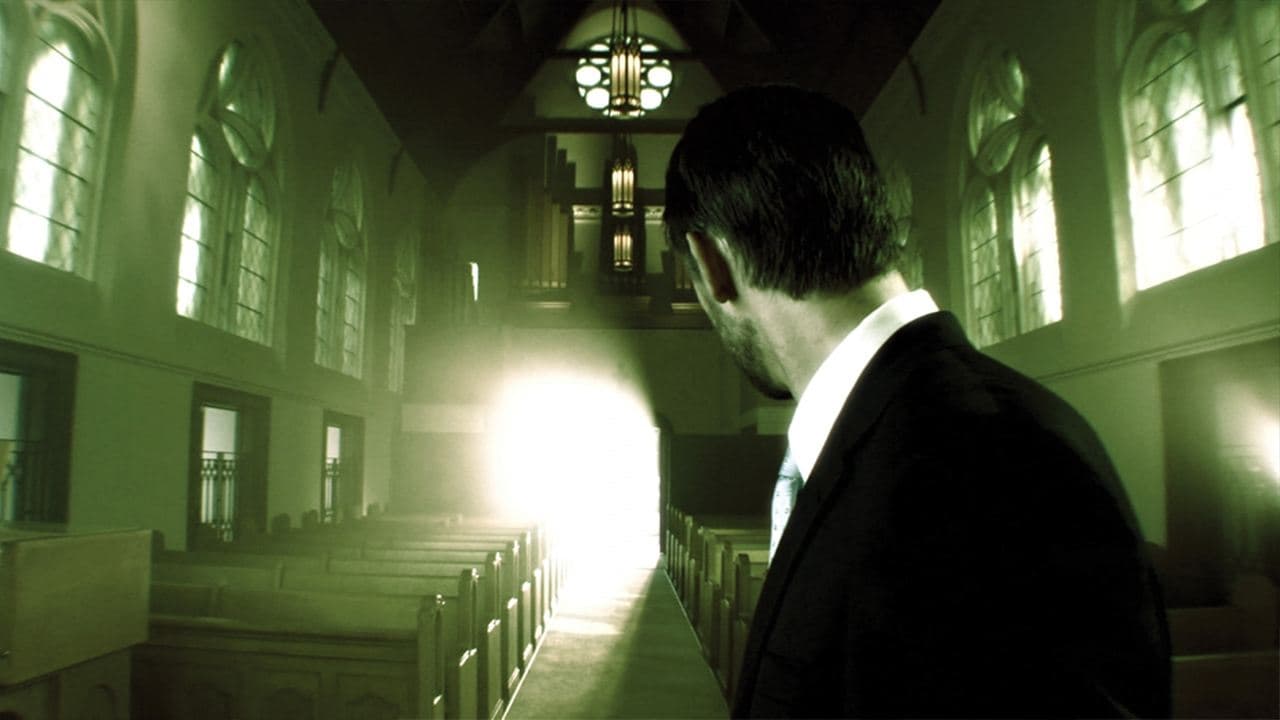
After seventeen years spent largely as a word-of-mouth cult artifact circulating on home video, Jamin Winans' dream-world thriller Ink has at last been projected for a British audience at the London Film Festival - and Jack O'Connell, who introduced the screening, did not hide his enthusiasm for the film's long, strange trip to the big screen.
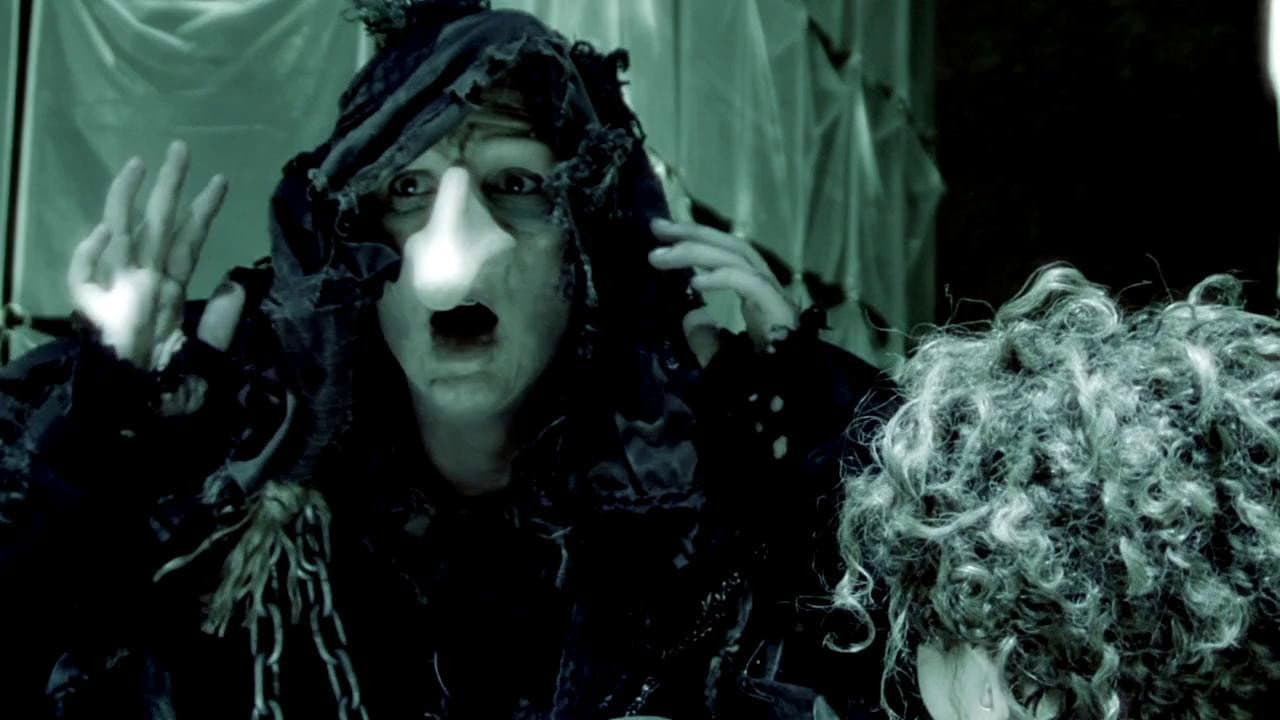
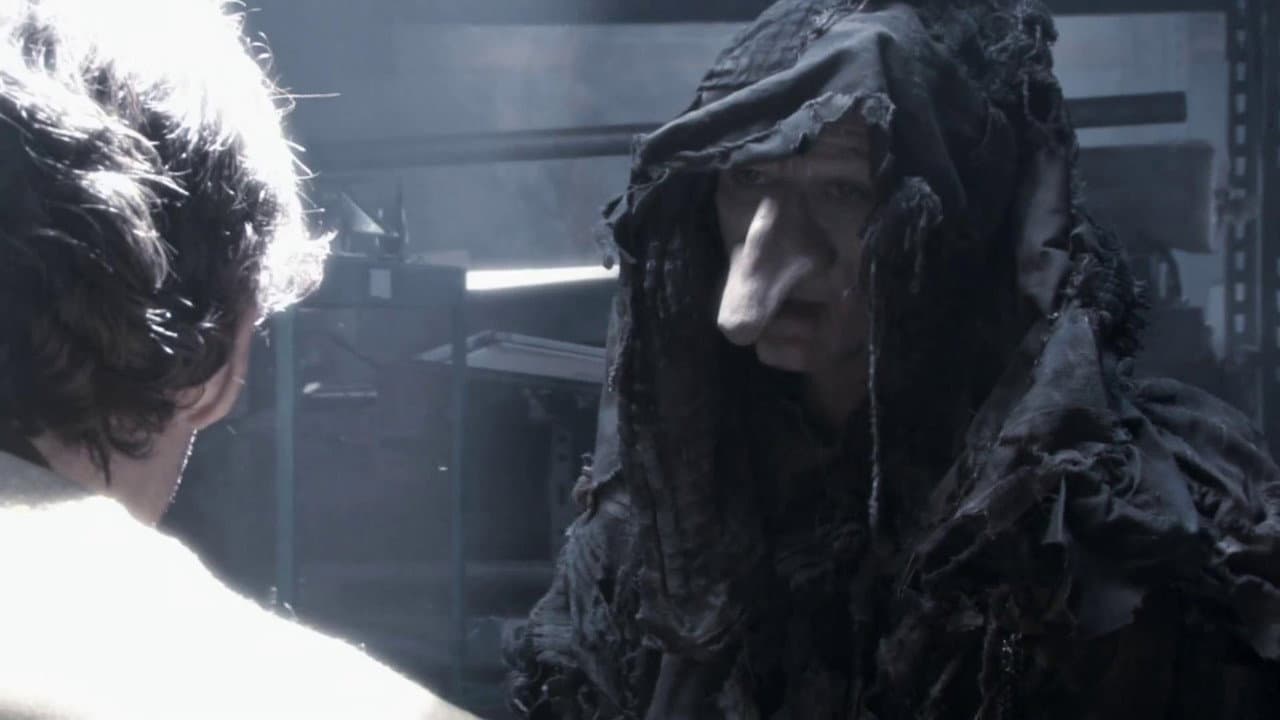
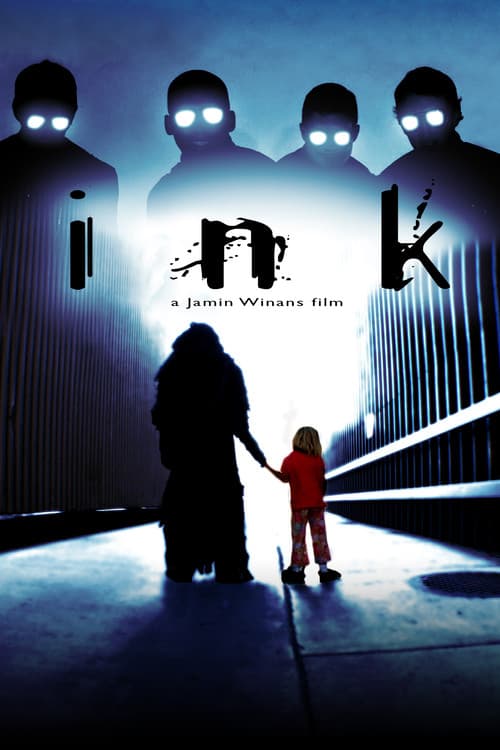
The 2009 action-fantasy, written and directed by Winans, follows invisible forces that hold sway over people while they sleep. A mercenary known as Ink, operating on what amounts to a literal nightmare assignment, abducts the spirit of eight-year-old Emma within the dream realm. To rescue her, the dream-givers commit everything they have to the mission - and the rescue effort ultimately turns on salvaging the soul of Emma's father, a man left tragically broken.
O'Connell, appearing at the festival to present the film, described the opportunity as a rare chance to watch a project that had been close to his heart since he first encountered it. He noted that Ink was made on a shoestring and built outside the studio system, which he said made its continued life with viewers all the more satisfying. "There's no machine behind this one," he told the audience, in remarks delivered in English. "It survived because people kept telling other people about it."
That survival story is the film's real biography. Ink opened on January 23, 2009, with a cast led by Christopher Soren Kelly as John, Jessica Duffy as Liev, and Quinn Hunchar as Emma. Jeremy Make plays Jacob, Jennifer Batter appears as Allel, Eme Ikwuakor plays Gabe, Shelby Malone is Sarah, and Steve Sealy rounds out the ensemble as Ron. The picture runs 106 minutes and carries a modest 6.325 out of 10 rating on TMDb - a score that understates the devotion of its admirers, many of whom discovered it after its theatrical run had already ended.
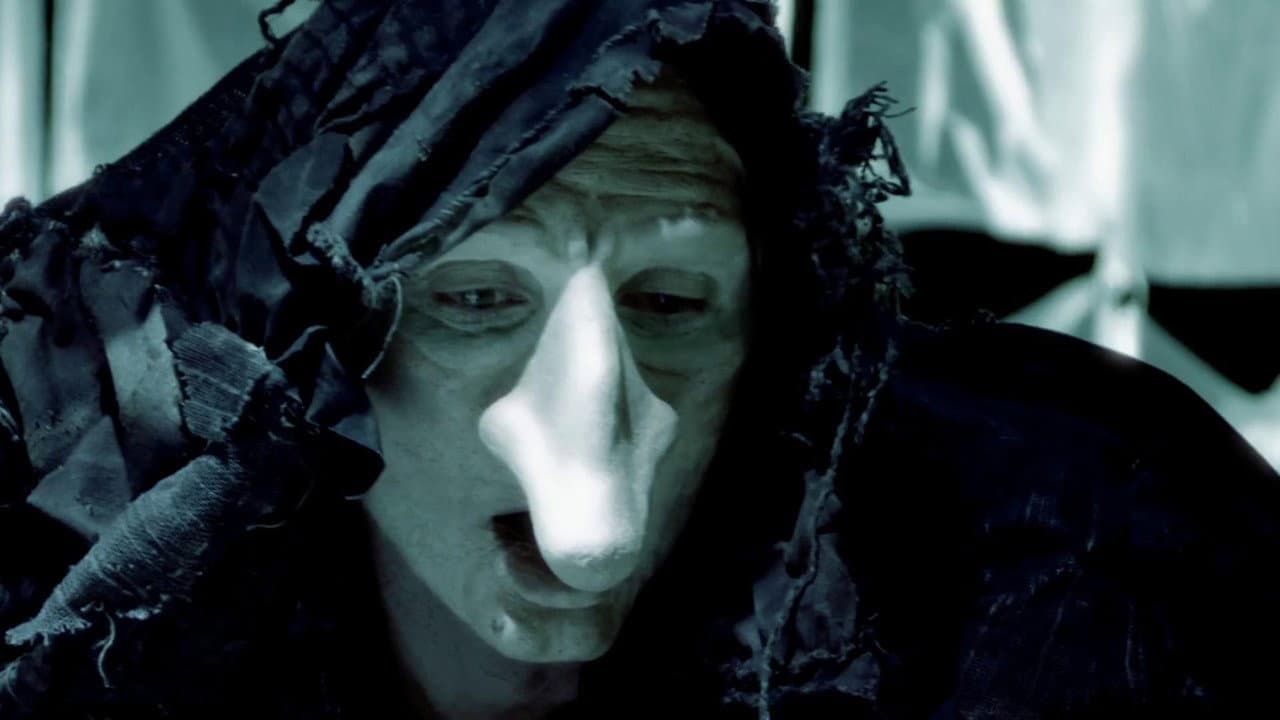
Winans shot the film in his native Colorado with a small crew and a budget that would not cover a single day of photography on a typical Hollywood production. What the film lacks in scale it offsets with invention: its dream sequences were assembled through practical effects, handmade costumes, and editorial sleight of hand rather than visual-effects spending. That approach has aged well, lending the film a tactile, handmade quality that digital spectacle rarely matches.
For the festival audience, the screening amounted to a homecoming of sorts - not to a country, but to the format the filmmakers always intended. Ink was built for a darkened room and a crowd, and its London reception suggested that the film's theatrical life may not be entirely behind it.
O'Connell, for his part, was candid about why the film continues to resonate. He argued that its emotional engine - a father's fracture and the possibility of repair - gives the fantasy stakes that pure genre exercise cannot supply. "It's a film about saving someone who doesn't think they're worth saving," he said. "That's why it stays with people."
He also pushed back gently on the idea that Ink is a curiosity from a bygone era of independent filmmaking. If anything, he suggested, its methods are worth studying now. "They had no money and no permission," he said. "They just had an idea they refused to let go of."
Whether the London screening leads to wider repertory bookings remains to be seen, but the festival slot has already renewed conversation around the film among viewers who had never encountered it in a theater. For a title that spent years being passed hand to hand, that is no small development.
Ink remains a landmark of DIY genre filmmaking - a 106-minute action-fantasy that asks what we owe the people we love even when they have given up on themselves. On this evidence, its audience is still finding it, one screening at a time.
Source: The Hollywood Reporter