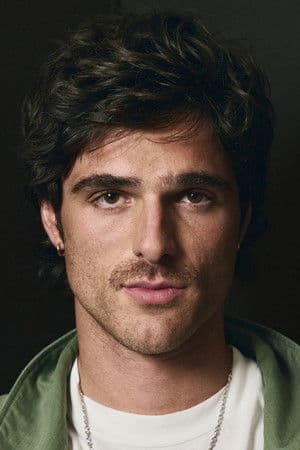
Jacob Elordi is opening up about a period of his life when he feared something was seriously wrong with his mind - and credits a John Cassavetes film with helping him see that he wasn't alone. The actor said he once worried he was in the grip of a mental breakdown until a viewing of the filmmaker's work shifted his perspective, describing the experience as one that "made me feel a lot less insane and alone."
Elordi, one of the most in-demand young performers of his generation, did not specify exactly what he was going through at the time, nor did he identify a single triggering event. But his account is a reminder that the films an actor admires off-screen can shape how they understand their own emotional life as much as the roles they take on. The actor's remarks bring together two subjects that rarely sit side by side in Hollywood conversation: the pressures of life in the public eye and the quiet, personal comfort that older, resolutely independent cinema can provide.
Cassavetes, who died in 1989, built a reputation as one of the most uncompromising voices in American independent film. His movies are known for their raw, improvisational energy and for characters who often seem to be unraveling in real time. Rather than smoothing over awkwardness or turning difficult emotions up for effect, Cassavetes tended to let his actors sit inside discomfort, which gives his work a documentary-like intimacy that can feel unnerving and consoling at the same time. It is that quality, apparently, that reached Elordi when he needed it.
The Australian actor's honest reflection is notable in a moment when more public figures are speaking openly about mental health - though Elordi's framing was less about a diagnosis than about the isolating feeling that comes from struggling alone in your own head. Finding evidence of the same messy, confused experience on screen can be a powerful corrective to that isolation, and Elordi's comment captures exactly that turn: seeing his own turmoil reflected back at him helped shrink a problem that had felt unmanageably private.
For younger performers, the stress can be especially acute. Early career success brings sudden visibility, a punishing press cycle and a schedule that rarely leaves room to process much of anything. That Elordi would find reassurance in a director who specialized in exposing what people usually keep hidden is fitting. Cassavetes' trademark was emotional honesty at its most uncomfortable; he treated confusion and vulnerability not as a failure but as the raw material of drama. Watching that approach can be its own kind of validation, particularly for someone whose job requires constant emotional openness while his private life is being scrutinized.
It's worth remembering that no one is obligated to share what they've been through, and Elordi hasn't offered a detailed account of whatever he was facing at the time. His comment lands as a genuine aside rather than a declaration about his health - and it stands on its own without needing more. It also quietly underscores how much mental health language has entered casual conversation, with people as comfortable invoking the idea of a breakdown as they are discussing a film that helped them through one.
At its core, this is a small, human story: an actor under a lot of pressure found relief where he might not have expected it, in a decades-old film by a director who never chased mainstream approval. For Elordi, the value of that discovery wasn't aesthetic so much as emotional, and the phrase he used - "less insane and alone" - is blunt in a way that feels earned rather than performed. It is also a useful reminder for audiences that the films we dismiss as difficult or slow might be exactly what someone else needs on a hard day: proof that what they're feeling isn't unique, and that someone else has been there too.
Source: The Hollywood Reporter