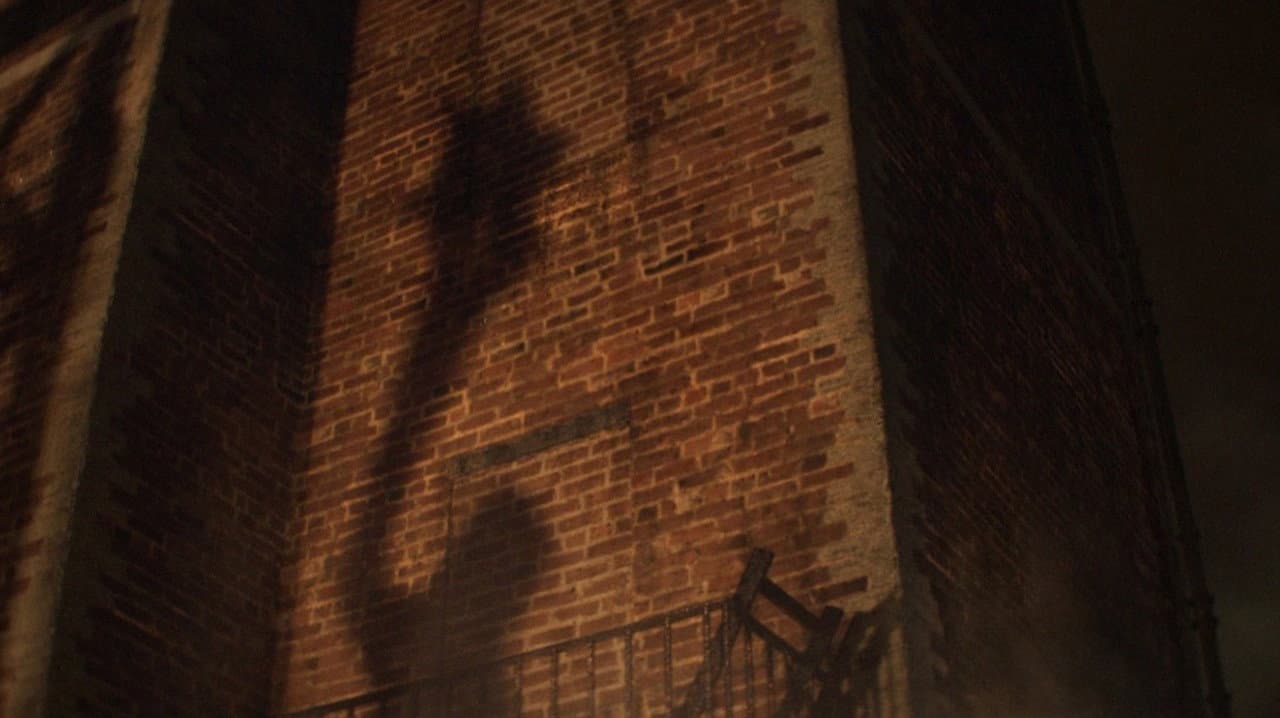
James Gunn isn't in the habit of letting a snarky comment slide, and the writer-director made that clear again this week when a fan on social media questioned the very existence of DC Studios' upcoming Clayface movie. The exchange, which unfolded across a handful of posts, turned a routine promotional beat into a referendum on why anyone would greenlight a solo film about a Batman villain best known for being, well, a pile of mud.
"Who asked for a 'Clayface' movie?" the user wrote, a gripe that has become something of a genre in its own right whenever a comic-book property with a thinner marquee profile gets a release date. Gunn's reply was swift and unbothered, and rather than ignore it, he leaned into the logic that has guided his stewardship of the studio: the audience doesn't have to ask first for a story to be worth telling.
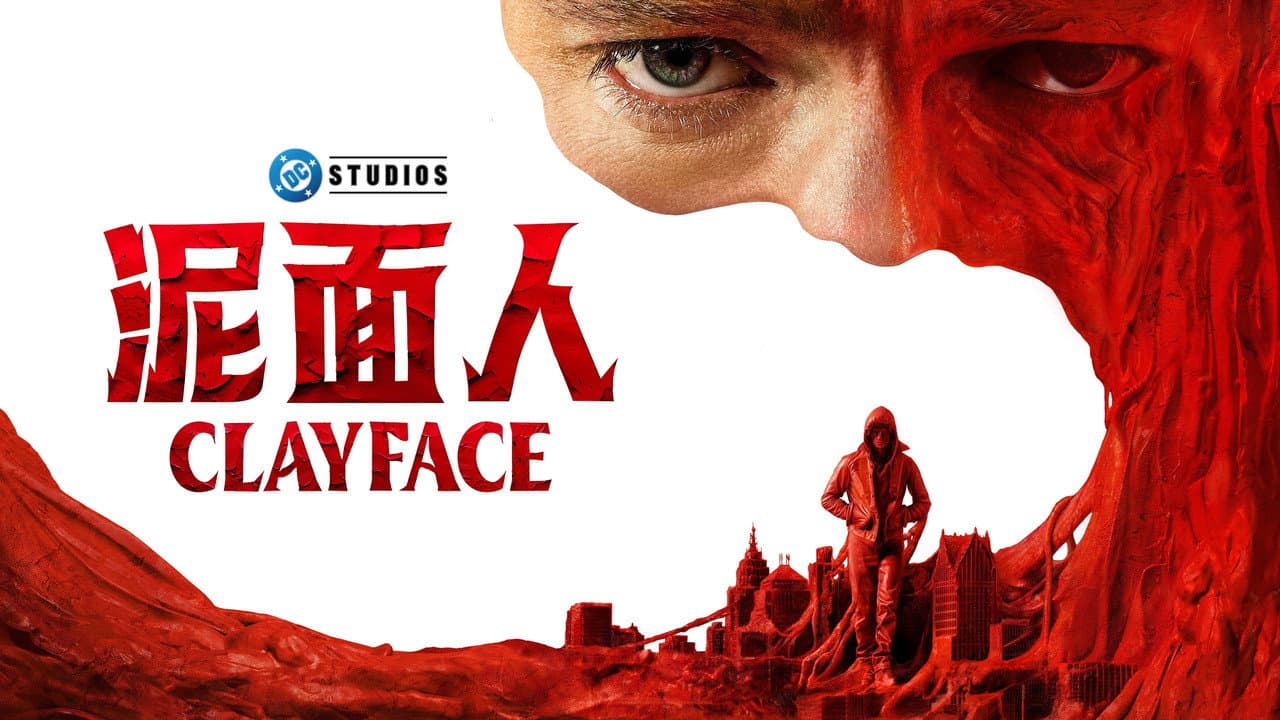
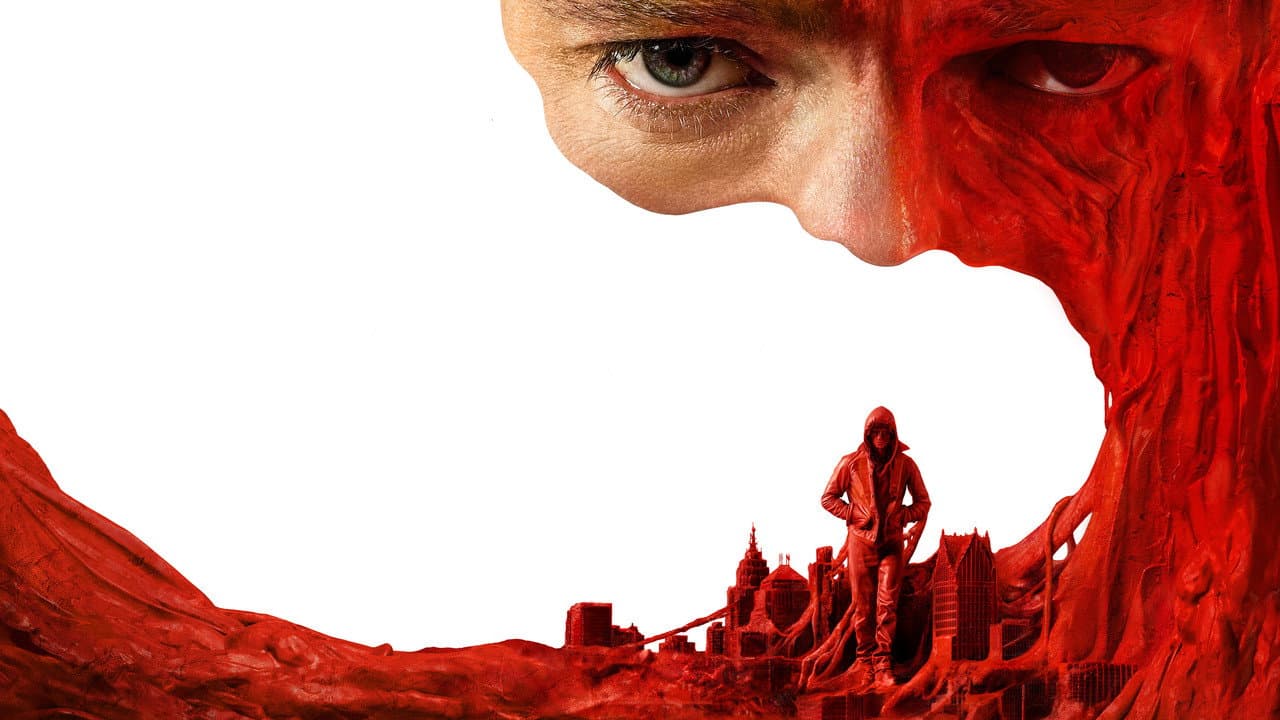
Whether that logic holds up will be tested on October 21, when Clayface arrives in theaters under the direction of James Watkins. The film is a horror-thriller with science-fiction elements, an unusual tonal cocktail for a comic-book adaptation and one that signals DC is willing to color outside the lines as it builds out a slate that can't lean on Batman and Superman alone.
A Leading Man With Everything to Lose
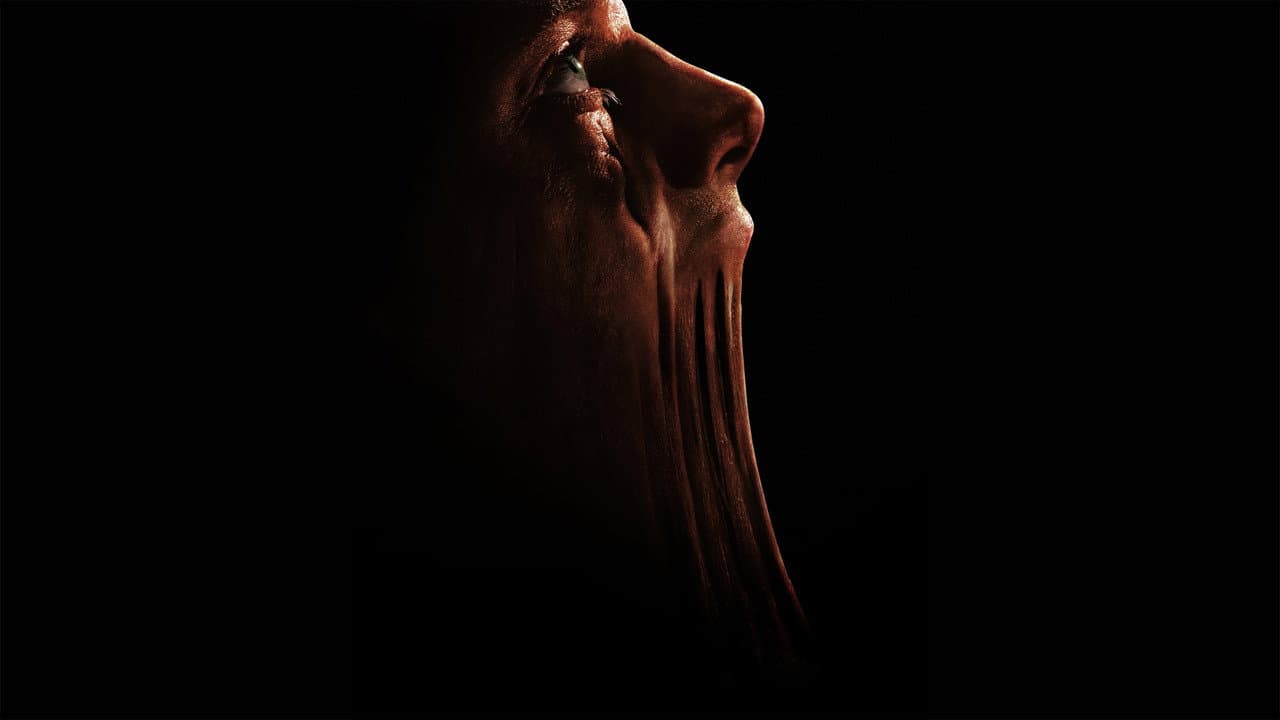
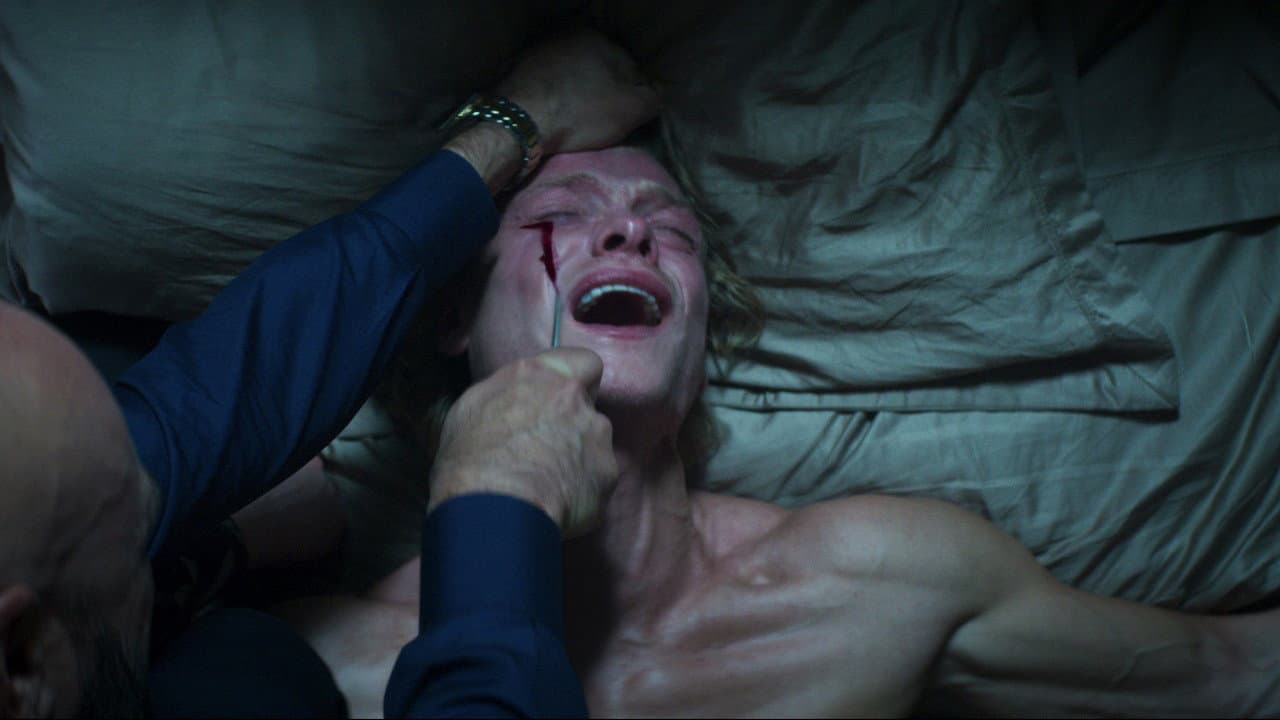
The official synopsis paints a far grimmer portrait than the cartoonish shape-shifter some viewers may remember from animated series past. Matt Hagen, played by Tom Rhys Harries, is a Gotham street kid who claws his way to Hollywood stardom. That ascent ends abruptly when a local crime boss's actions leave him horribly disfigured. Abandoned by his team and stripped of everything he built, Hagen turns to a cutting-edge treatment that restores him to his former self.
The miracle comes with a price. The procedure also destabilizes his grip on reality, sending him spiraling down a path of all-consuming revenge. That premise places the film closer to a body-horror tragedy than a traditional superhero origin story, and it explains why the project first surfaced as a screenplay with a darker reputation before it became a piece of the studio's theatrical puzzle.
Harries leads a cast that includes Naomi Ackie as Caitlyn Corr, Max Minghella as John Borrelli, and Eddie Marsan, alongside David Dencik, Francesca Corney, Ruby Sear as Theresa, and Wil Coban as Bones. The ensemble is heavy on character actors rather than household names, a choice consistent with a film that appears to be trading on atmosphere and transformation rather than star wattage.
At 108 minutes, Clayface is a comparatively lean entry for the genre, and its placement in late October suggests the studio sees the horror-adjacent material as seasonal counter-programming rather than a tentpole. The film's English-language, Hollywood-produced credentials keep it squarely within the studio system, even as its genre blend and R-leaning subject matter push against the family-friendly expectations that often define comic-book releases.
Why Gunn Keeps Answering the Question
Gunn's decision to engage rather than deflect is notable given how often the "who asked for this" argument gets lobbed at any project without a built-in fanbase. His response fits a broader pattern of using his own platform to make the case that unfamiliar titles are features, not bugs, of a healthy slate. The strategy carries risk: every reply invites more replies, and a director with production responsibilities across an entire universe has limited hours in the day.
Still, the exchange generated exactly the kind of attention a mid-budget genre film needs in a crowded marketplace. Clayface has no established franchise momentum behind it, no legacy cast, and no obvious merchandising hook. What it has is a director known for tense, grounded thrillers, a lead actor stepping into a physically demanding dual role, and a premise that promises disfigurement, delusion, and vengeance in roughly equal measure.
Early indicators of audience reception remain essentially blank. The film currently sits at 0/10 on TMDb, though that figure reflects the absence of a meaningful number of ratings rather than any verdict from viewers, since the movie has not yet reached theaters.
What happens after October 21 will settle the argument Gunn has been having in public. If Clayface connects, the "who asked for this" jab becomes a footnote and the film becomes evidence for the studio's willingness to gamble on the odd corners of its catalog. If it doesn't, the question will be asked again, louder, about whatever comes next. For now, Gunn has offered his answer in the only currency he controls: a release date and a story he believes is worth telling.
Source: The Hollywood Reporter