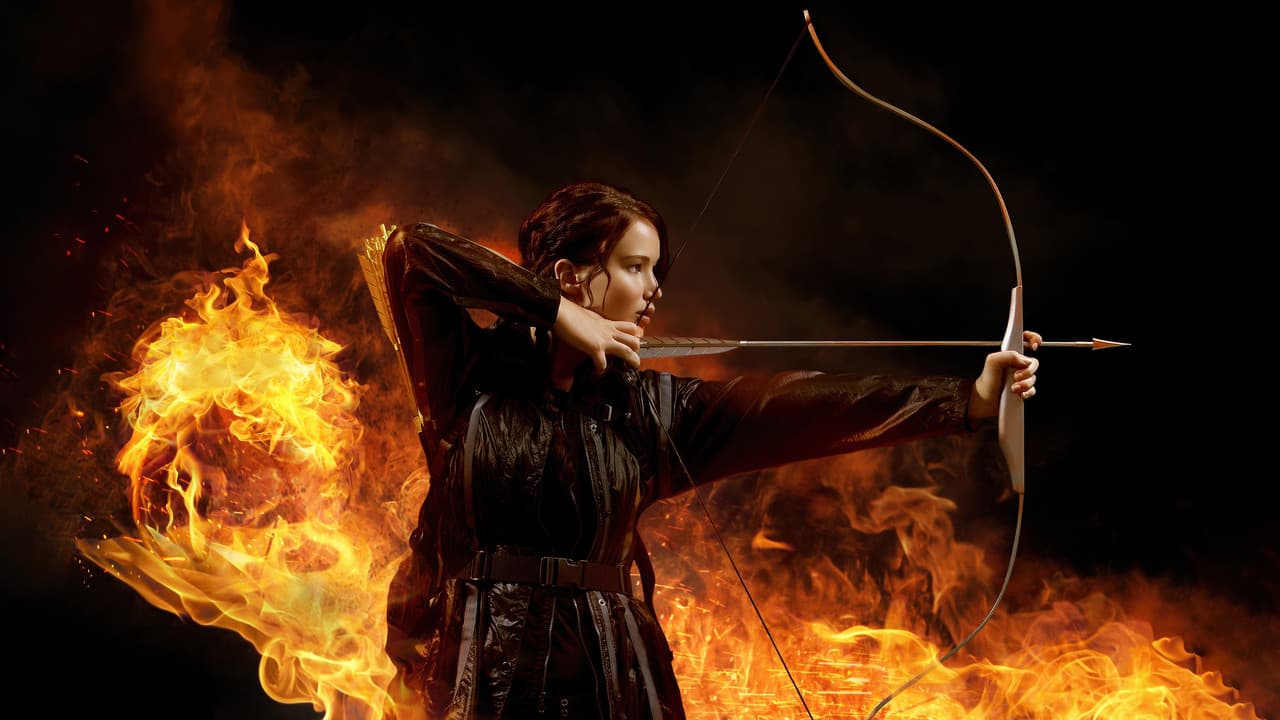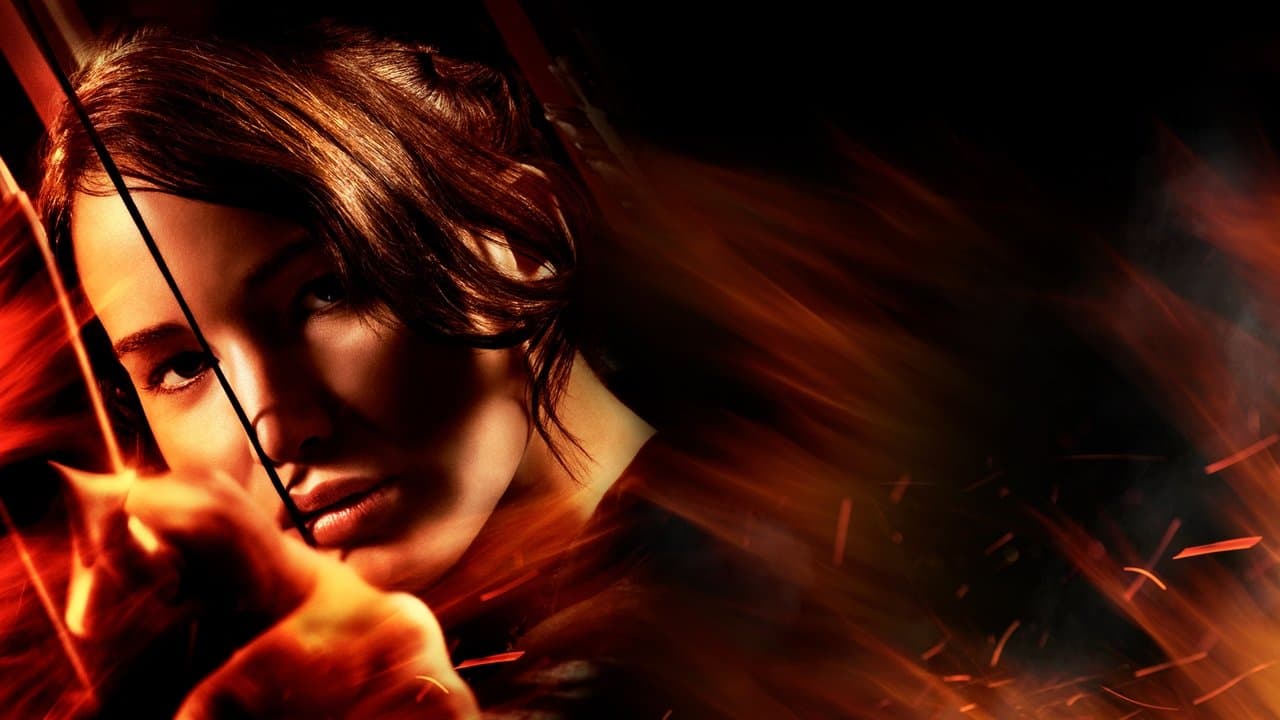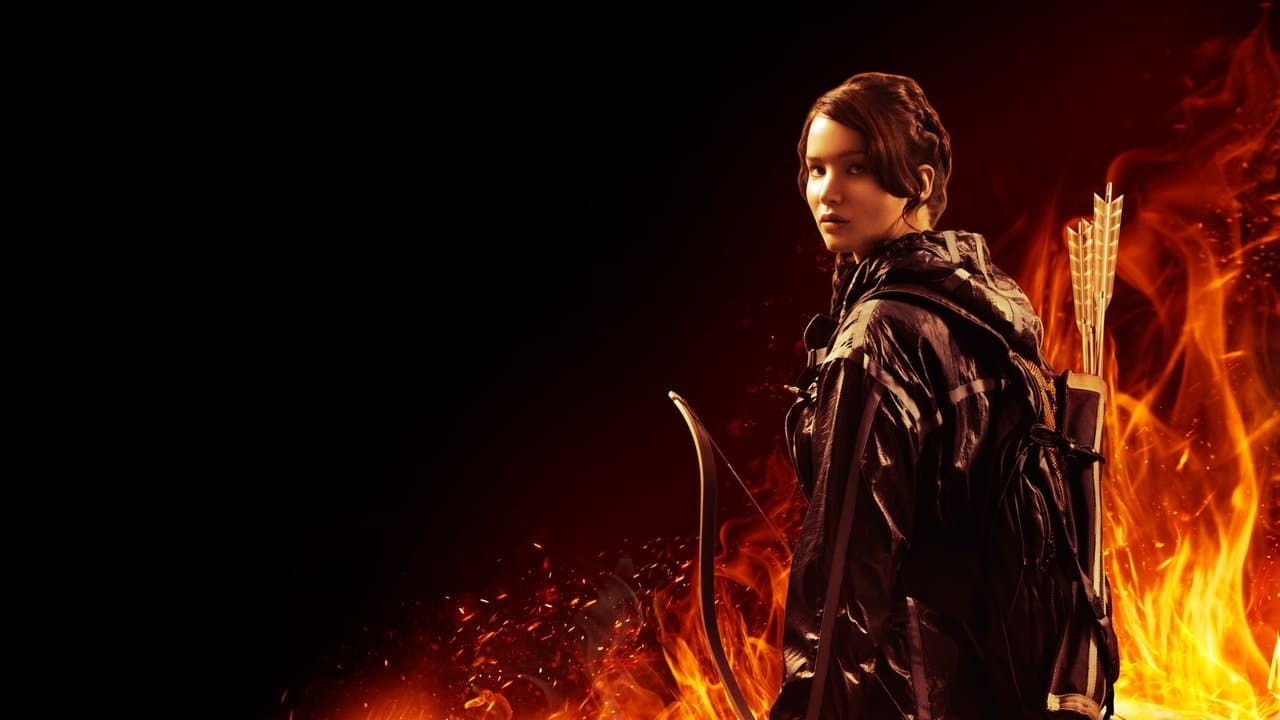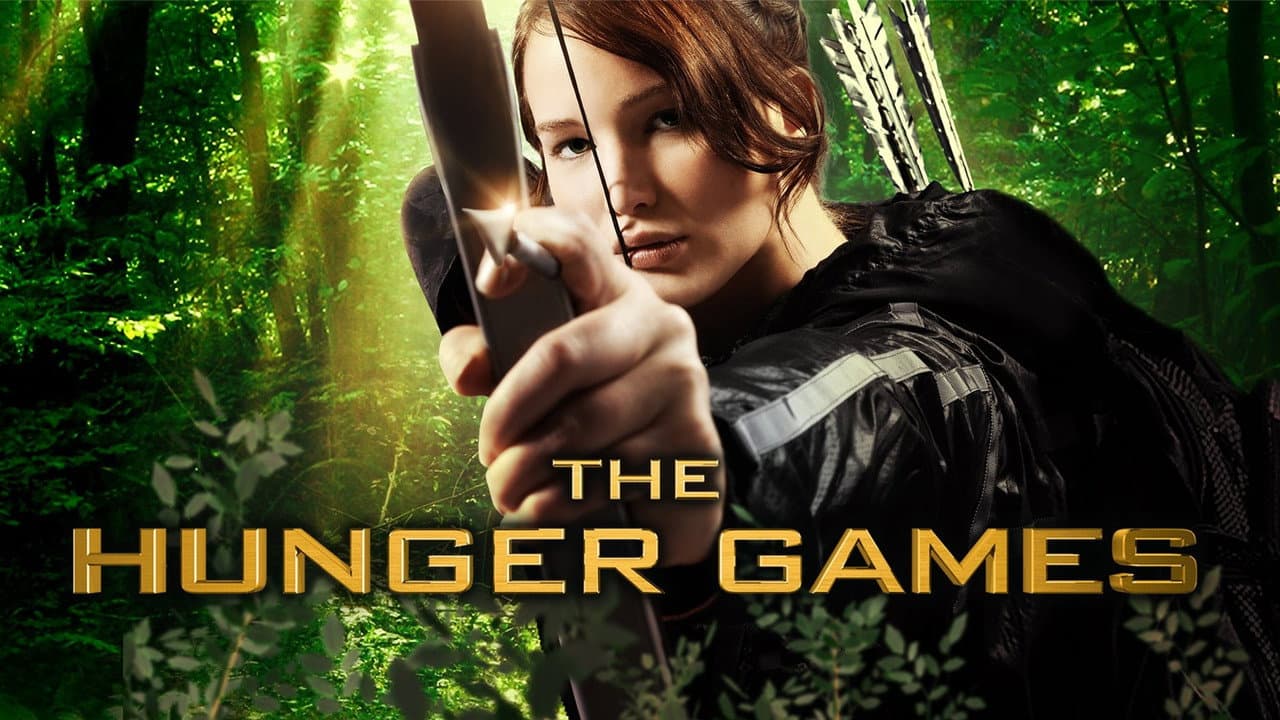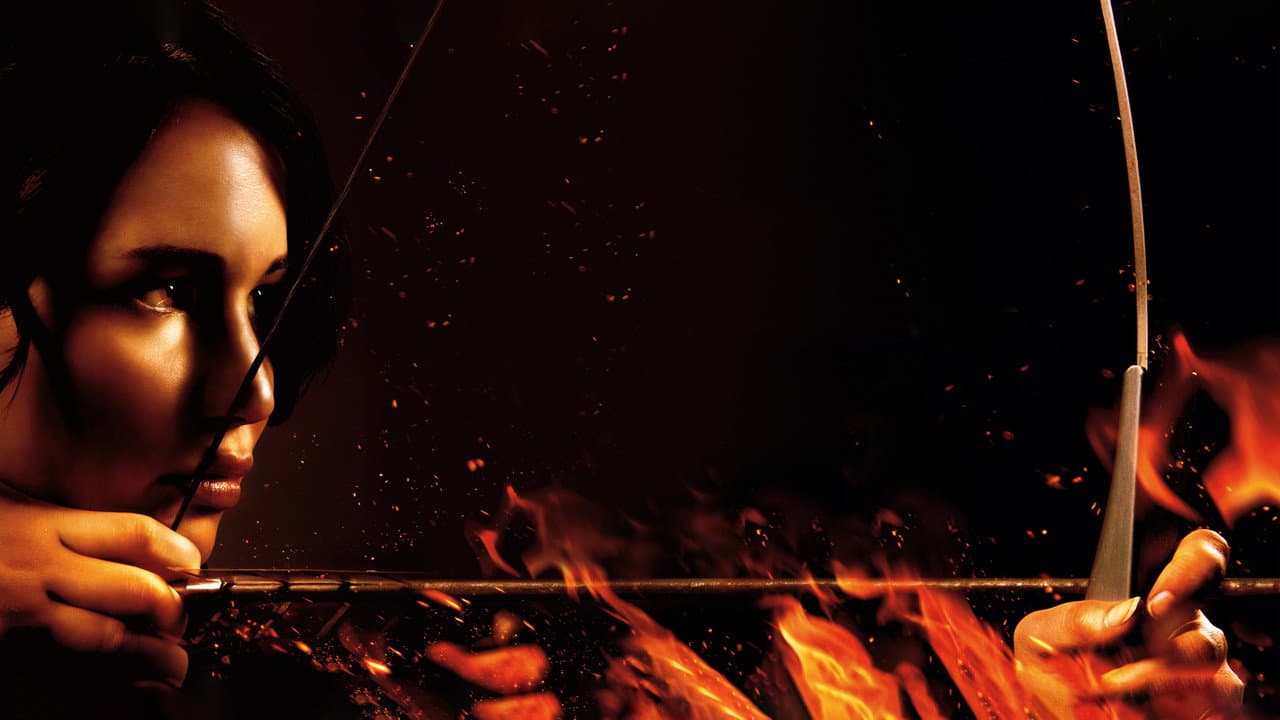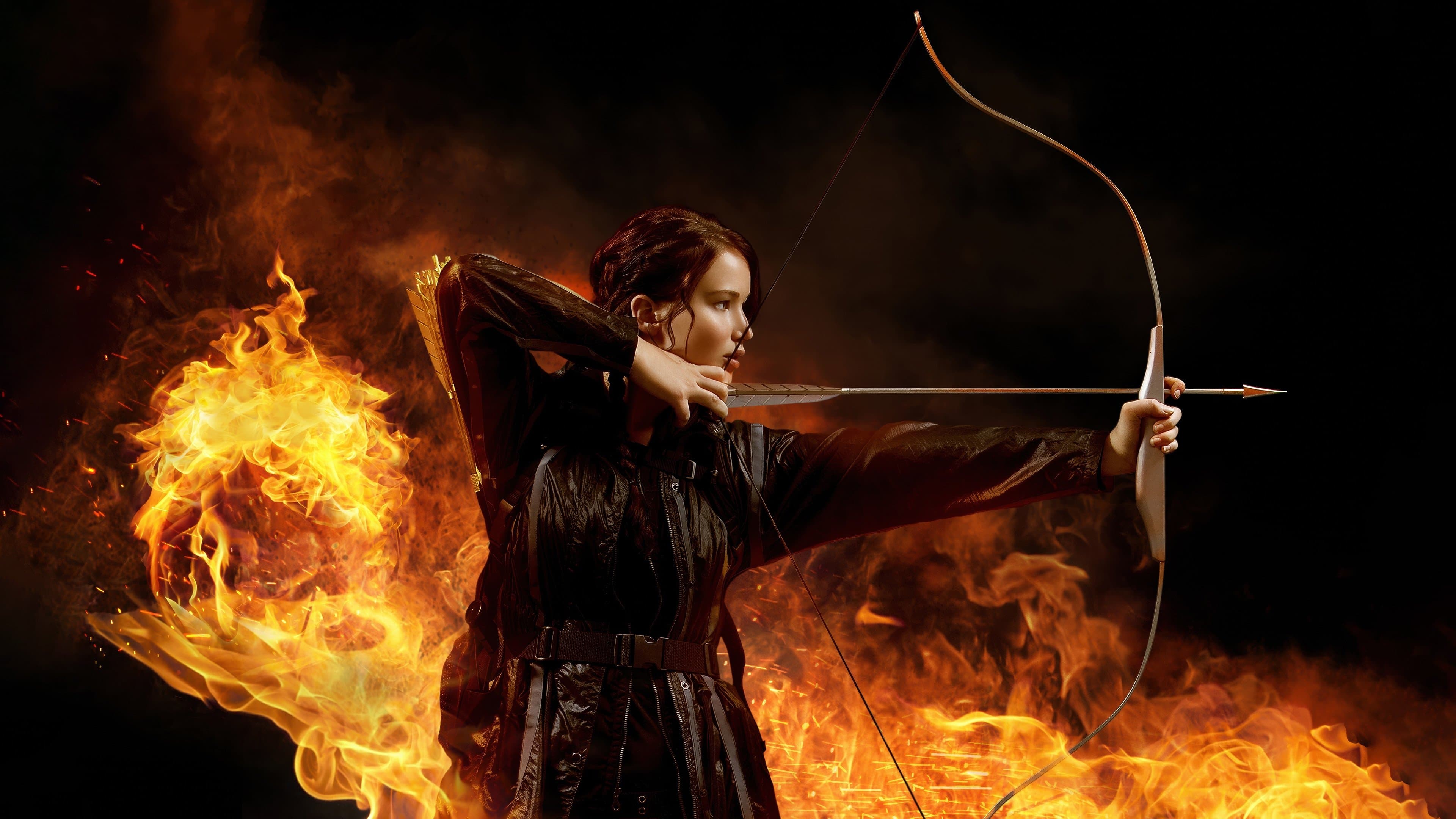
Jennifer Lawrence suspects that the bow and arrow she wielded as Katniss Everdeen in The Hunger Games may no longer be in her possession. The Oscar-winning actress has said she believes the prop was taken at some point, an admission that puts an unexpected question mark over a piece of memorabilia tied to one of the most successful studio franchises of its era.
Lawrence played the role that made her a household name in Gary Ross's 2012 adaptation of Suzanne Collins's novel. The film, released on March 12, 2012, with a runtime of 142 minutes, introduced audiences to the dystopian nation of Panem, where the Capitol compels each district to offer up two young tributes for a televised fight to the death. Her character volunteers to take her younger sister's place, a decision that anchors the story's themes of survival and defiance.
A Prop at the Center of a Beloved Performance
The bow is inseparable from Katniss in the public imagination. Archery is the character's defining skill and the visual signature of the series, and the weapon became one of the more recognizable objects in early-2010s popular culture. That makes the apparent disappearance of a screen-used piece a curious footnote for fans who associate the prop with Lawrence's breakout performance.
The film's ensemble remains familiar to audiences more than a decade after release: Josh Hutcherson as Peeta Mellark, Liam Hemsworth as Gale Hawthorne, Woody Harrelson as Haymitch Abernathy, Elizabeth Banks as Effie Trinket, Lenny Kravitz as Cinna, Stanley Tucci as Caesar Flickerman and Donald Sutherland as President Coriolanus Snow.
A Franchise That Endured
Critical and audience response to the original film has held steady over time, with a TMDb rating of 7.227/10 and an IMDb rating of 7.2/10. Those scores speak to a movie that landed with both viewers and reviewers, a combination that helped turn a young-adult science fiction property into a four-film Hollywood franchise. The 2012 release blended science fiction, adventure, action and thriller elements, a genre mix that broadened its appeal beyond the book's readership.
Lawrence's remark also highlights an often overlooked reality of blockbuster filmmaking: the physical objects actors handle on set are studio assets, and their movements after production wraps are not always carefully tracked. Props are routinely retained for archives, loaned for exhibitions or, in some cases, simply misplaced. When a performer forms a close attachment to a character, the loss of a keepsake can carry personal weight, particularly for an actor whose career was transformed by the part.
Memorabilia and the Value of the Tangible
Screen-used items from major franchises routinely draw attention from collectors, and the Hunger Games bow would be a significant artifact for any fan or archive. Reports of a missing prop tend to stir interest in a film's physical legacy, reminding audiences that the objects seen on screen have lives of their own once cameras stop rolling.
For Lawrence, whether the bow surfaces again may matter less than the memory of the role itself. Katniss was the part that carried her from acclaimed independent work into the center of a global franchise, and the performance remains a reference point in discussions of how a young-adult adaptation can be elevated by a lead actor's commitment.
No further details about when or where the prop might have gone missing have been confirmed. USA Film News will update this story if additional information becomes available.
Source: The Hollywood Reporter