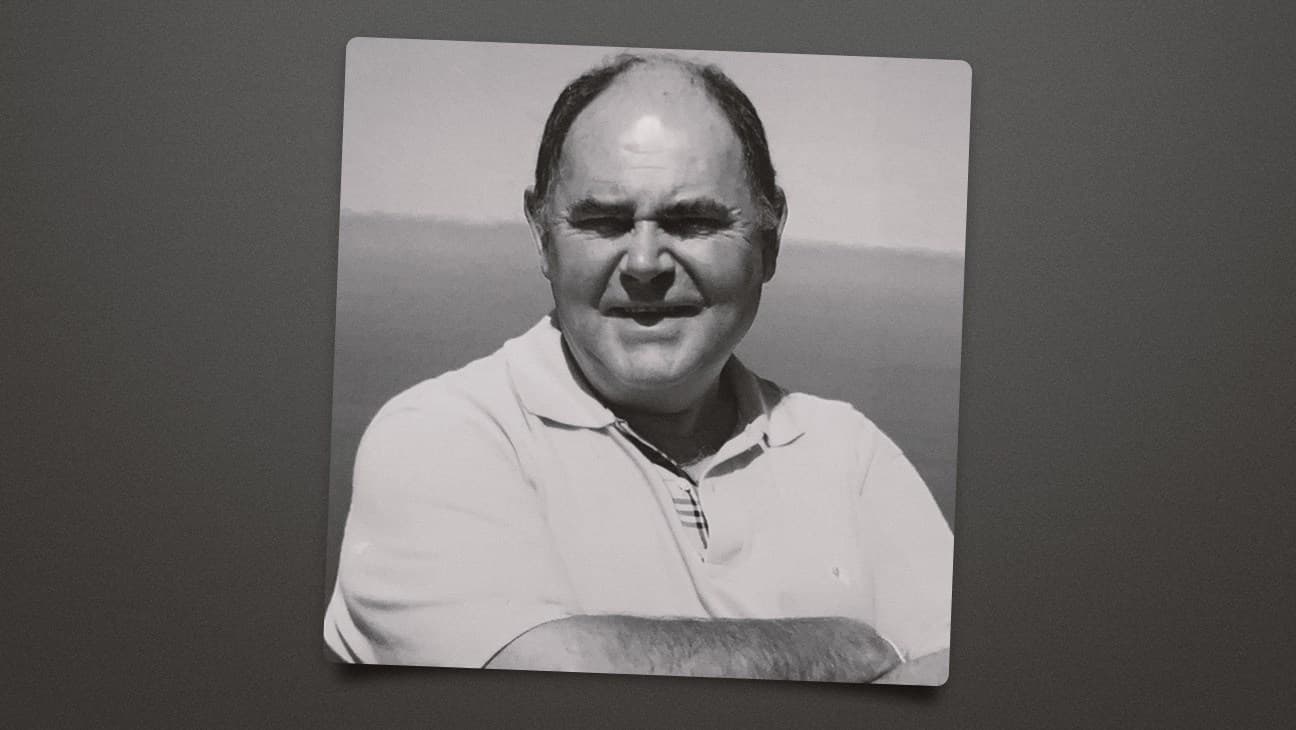
Jeremy Conway, the talent agent whose client roster included Anthony Hopkins and Brian Cox, has died at the age of 87, according to the news of his passing reported on Tuesday. A fixture of the international representation business for decades, Conway built a reputation as a quietly formidable negotiator who guided the careers of some of the English-speaking stage and screen's most respected actors.
Conway's name was not one that appeared on marquees, but within the industry it carried weight. He represented Hopkins across a long stretch of a career that moved from classical stage work in Britain to Hollywood prominence, and he counted Cox among his clients as well. Both men are known for the kind of lengthy, award-laden careers that depend on steady, long-term representation rather than short-term dealmaking.
A full accounting of Conway's client list was not immediately available, and details of his life before he entered the representation business were not part of the news of his death. What is clear is the company he kept professionally: two actors who between them have won Academy Awards, worked with major directors on both sides of the Atlantic, and remained in demand into their later years.
A Career Built on Client Loyalty
Agents in Conway's tier tend to be measured by the durability of their relationships, and Hopkins and Cox were both clients he held for extended periods. That kind of longevity is unusual in a business where representatives change almost as often as projects do. It suggests an approach built on patience and on reading careers over the long term.
Hopkins, born in Wales, trained at the Royal Academy of Dramatic Art and spent years in British theatre and television before crossing into American film. His range runs from Shakespeare to blockbuster franchise work, and he has remained a prolific presence well into his eighties. An agent steering that kind of career must navigate between prestige projects and commercial ones, and Conway did so for years.
Cox, born in Scotland and likewise a veteran of the British stage, has combined a busy film career with a run of high-profile television roles in recent years. His work spans everything from historical drama to genre material, a range that reflects a client willing to take risks and an agent willing to let him.
Conway's passing was felt among those who worked alongside him. Tributes from the representation community emphasized his discretion and his commitment to the people he represented, qualities that are rarely publicized but are widely valued inside the business.
A Generation of British-Born Representation
Conway's career unfolded during an era when London-based agents became central to the careers of British actors working in Hollywood. Talent once funneled through a handful of major American agencies increasingly found representation closer to home, and agents with strong relationships on both sides of the Atlantic became indispensable.
That generation of representatives became instrumental in the steady flow of British and Irish performers into American film and television. Conway belonged to that tradition, and his clients' careers illustrate the pattern: stage-trained actors whose early work was in the United Kingdom, and whose later credits are international in scope.
The role demands diplomatic skill as much as deal-making. An agent who manages a long career must balance a client's artistic ambitions against commercial pressures, advise on which roles to pursue and which to decline, and maintain relationships across studios, producers, and casting directors. For clients of Hopkins' and Cox's stature, the job also involves protecting a reputation built over decades.
Career Guidance Beyond the Deal
The survivors and family of Conway were not publicly detailed in the news of his death, and no information about funeral arrangements was immediately available. It was also not immediately clear which projects he had been actively negotiating at the time of his passing.
What is not in doubt is the footprint Conway leaves in a profession that operates largely out of sight. Agents rarely give interviews about their own work and almost never claim credit for their clients' achievements. Their success shows up in casting announcements, contract terms, and the steady presence of an actor in the industry decade after decade.
For Hopkins and Cox, Conway was part of the machinery behind long careers that have included major awards and a wide range of roles. His death closes a chapter in the representation of two of the most recognizable actors of their generation.
Conway is remembered by colleagues as a steadfast and principled advocate, the sort of representative whose influence is acknowledged quietly by those who knew him. In an industry quick to celebrate the visible, his career stands as a reminder that much of what happens on screen begins with a phone call made on an actor's behalf.
Source: The Hollywood Reporter