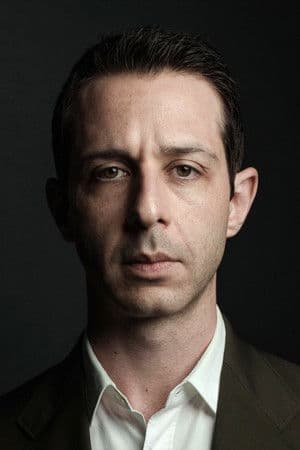
Jeremy Strong has never been especially interested in making things easy for himself, and he is not about to start now. The actor, long associated with the most immersive reaches of method acting, said this week that he feels no obligation to defend or apologize for the approach that has come to define his public reputation, framing it plainly as a tool rather than a personality trait.
"I don't need to apologize for it," Strong said, according to remarks that have circulated widely. "It's in service of the material."
The statement is vintage Strong: blunt, unadorned, and pointedly indifferent to the debate that has trailed him for years. Few working actors have inspired as much commentary about process as the man who spent years disappearing into the role of Kendall Roy on Succession, a performance that earned him an Emmy and a reputation for a kind of total commitment that colleagues and critics alike have described as unusually intense.
Strong's insistence that the method serves the work rather than the ego cuts against the most common criticism leveled at actors who practice it. Detractors have long argued that extreme preparation and in-character behavior on set can be self-indulgent, creating friction for castmates and crews who must work around a performer's choices. Strong's framing inverts that complaint: for him, the sacrifice is not a bid for attention but an obligation tied to the script, the director's vision, and the story being told.
A debate that keeps returning
The conversation around method acting tends to flare up in cycles, usually when an actor describes staying in character between takes, adopting an accent off-camera, or otherwise blurring the boundary between performance and daily life. Strong has been at the center of that conversation more than once, and his willingness to speak about it without apology has made him something of a lightning rod.
What is notable about his latest comments is how little they concede. He does not offer a defense of method work in general, nor does he suggest that his own approach should serve as a template for others. He simply declines to treat it as something requiring contrition. That stance reflects a broader attitude Strong has displayed throughout his career: a preference for the work over the discourse surrounding it.
Actors who train in this tradition typically describe the technique as a means of accessing truthful behavior rather than a stunt. The aim, in theory, is not to become difficult but to become responsive, to react as the character would rather than as the performer might. Whether audiences can detect the difference on screen is a separate question, and one that has never been settled.
Why it matters beyond one actor
Strong's comments land at a moment when the industry is rethinking a great deal about how productions are run, from working hours to on-set conduct. In that environment, questions about any acting approach that places heavy demands on those around a performer carry extra weight. Strong's answer, essentially, is that the demands are justified by the end result.
That answer will not satisfy everyone, and he appears untroubled by that prospect. For an actor whose career has been built on a willingness to go further than most, the absence of apology reads less like defiance than consistency.
There is also a practical dimension to the discussion. Method acting, however it is defined, has produced some of the most memorable performances in the medium's history, and it has also generated anecdotes that make the practice sound exhausting for everyone involved. Both things can be true, and Strong seems content to let the work make the argument.
Whether his position changes the broader conversation is doubtful. The debate over how far an actor should go tends to resurface whenever a particularly committed performer speaks, and it tends to fade as soon as the next compelling performance arrives. What Strong has done is restate, in characteristically plain terms, where he stands.
For now, the actor is offering no retreat and no apology. He is describing a method as a means to an end, and leaving it at that.
Source: The Hollywood Reporter