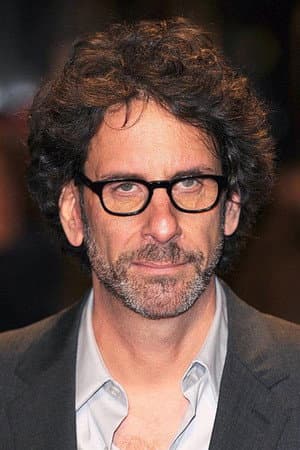
Joel Coen has never been a filmmaker who volunteers his opinions on the business of Hollywood. So when he does, the industry tends to listen. Speaking this week about the wave of consolidation that has reshaped the studio landscape over the past few years, the Oscar-winning writer-director offered a blunt defense of competition as the engine that keeps ambitious, offbeat films alive. "Competition is what produces opportunities for different kinds of movies," Coen said, summarizing a view that runs against the prevailing logic of the merger era, in which scale and cost-cutting are typically pitched as the path to stability.
His remarks land at an awkward moment for the majors. The past several years have brought one corporate marriage after another, and each round has been followed by the same ritual: promises of synergy, followed by leaner slates, smaller specialty arms, and fewer buyers willing to take a chance on a project without an obvious built-in audience. Coen's point is that this shrinking field of buyers isn't merely a problem for balance sheets. It narrows the range of stories that get made at all. When only a handful of companies control the pipeline from development to release, the incentive to differentiate disappears, and with it the healthy rivalry that once pushed executives to gamble on unfamiliar material rather than retreat to familiar formulas.
Coen is, of course, an unusual messenger for that argument. He and his brother Ethan spent decades operating inside the studio system on their own terms, building a body of work that straddled art house and mainstream without ever quite belonging to either camp. Their films earned critical acclaim and awards attention while resisting the tidy genres that make marketing easy. That career is itself a case study in what Coen is describing: a pair of filmmakers who found room to work because someone, somewhere, was willing to compete for their pictures rather than simply replicate whatever had worked the year before.
A Reunion on the Horizon
The director also used the occasion to tease what many fans have been waiting for since the brothers publicly stepped back from their long partnership. A reunion film with Ethan is in the works, Coen confirmed, though he kept details close to the vest. He offered no title, no cast, no timeline, and no hint of what genre or scale the project might take. For a filmmaker known for guarding his projects until they are ready, the reticence was expected. The mere confirmation is likely to be enough to stir interest across the industry, given how closely the Coen name is tied to a particular strain of American cinema that has become harder to find on studio calendars.
The brothers' separate paths in recent years have only sharpened curiosity about what a joint return might look like. Each has pursued solo work that drew respectful reviews while inevitably being measured against the films they made together. A new collaboration would carry the weight of that shared history, and it would arrive in a marketplace markedly different from the one that greeted their earlier releases. That context is presumably not lost on Coen, whose comments about competition and opportunity suggest he sees the two subjects as connected: the kinds of movies that get financed, and the kinds of filmmakers who get to make them.
A Warning With a Track Record Behind It
There is a temptation to read Coen's remarks as nostalgia, the complaint of a veteran pining for a golden age. But the argument is more practical than sentimental. Independent distributors and specialty labels have historically functioned as the farm system for the broader business, developing talent and testing ideas that larger studios later adopt. When consolidation thins that layer, the effects show up years later in a homogenized theatrical landscape, where the mid-budget adult drama and the eccentric auteur project become endangered species. Coen's framing flips the usual corporate narrative on its head: rivalry, not consolidation, is what keeps the ecosystem diverse and, ultimately, healthy.
Whether his reunion with Ethan will embody that principle remains to be seen. Coen gave no indication of when the project might surface or how it will be financed, and he declined to characterize its place in the current climate. What is clear is that one of American cinema's most distinctive voices has chosen this moment to say out loud what many in the business privately worry about. In an era when the number of gatekeepers keeps falling, his reminder that competition breeds variety reads less like a complaint and more like a warning, delivered with the quiet assurance of someone who has spent a career proving the point.
Source: Variety