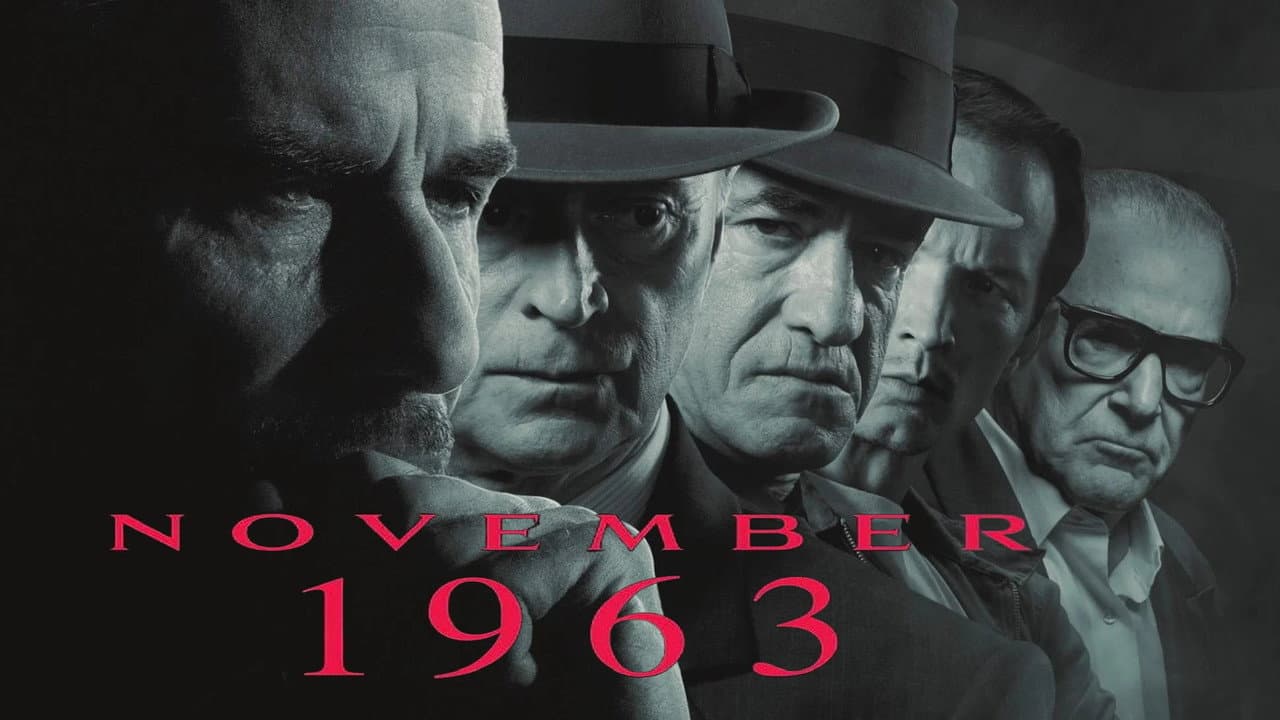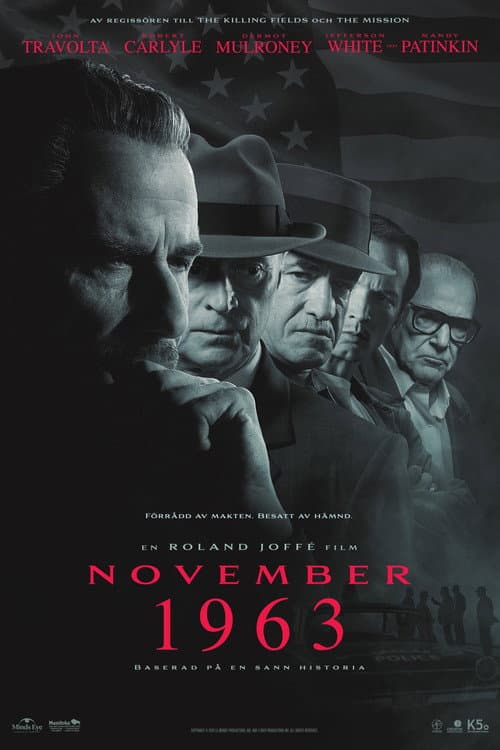
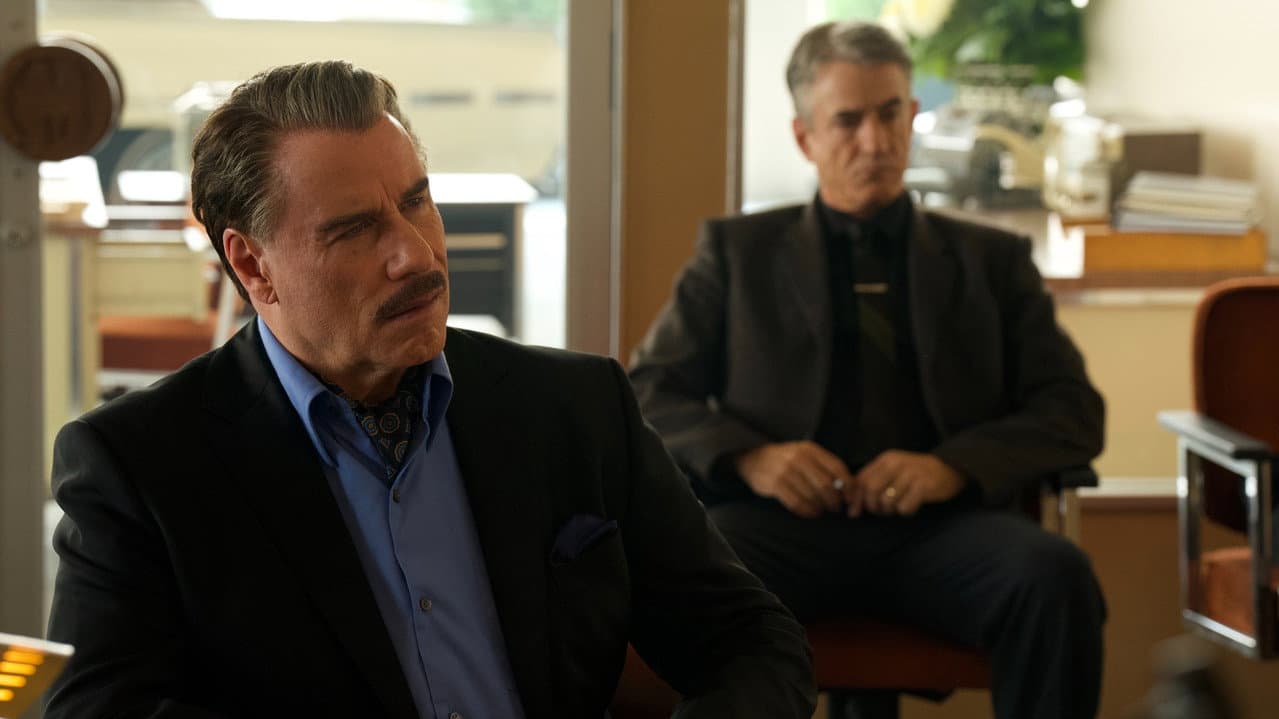
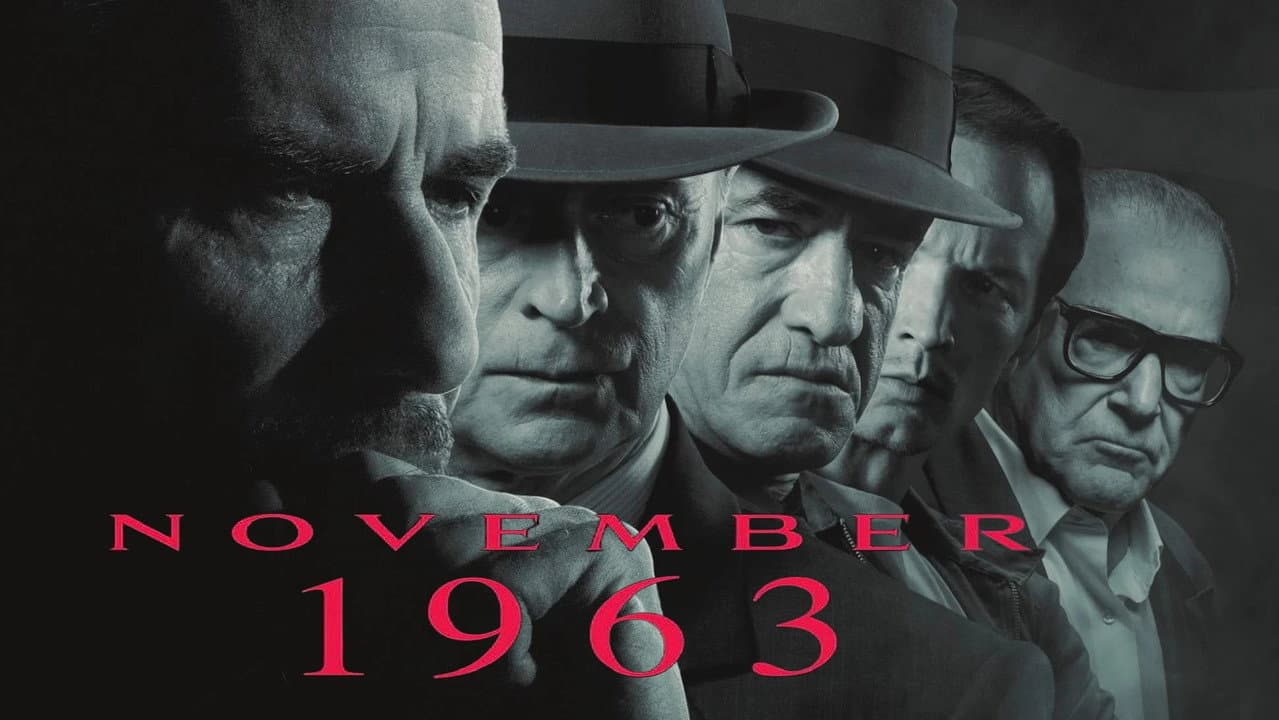
John Travolta has said that playing mob figure Johnny Roselli in the new conspiracy thriller "November 1963" gave him a jolt of recognition he did not expect - not of the man, but of something darker behind the role. The actor told USA Film News that when he studied footage and photographs of Roselli, he came away shaken by the impression the mobster left on him. "I went, 'Oh my God, he's the devil,'" Travolta said, describing the moment the character's menace registered.
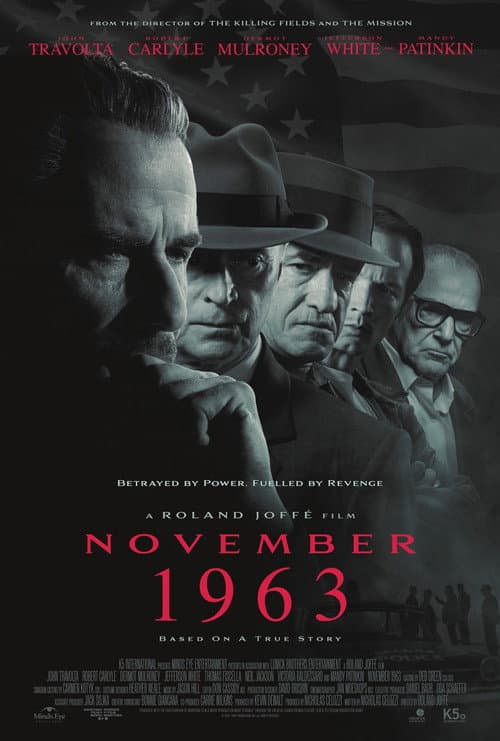
"November 1963," directed by Roland Joffé, arrived in theaters on November 20 and runs 120 minutes. It is an English-language Hollywood production in the crime, thriller and drama genres. The film currently holds a 5.75 rating out of 10 on TMDb.
The movie builds its story around a claim about the road to the White House. Before John F. Kennedy's election in 1960, according to the film's premise, his father Joe Kennedy sought help from mob boss Sam Giancana and the Chicago Outfit to secure a win for his son. Once Kennedy was in office, the narrative continues, the national organized crime syndicate found itself under intense pressure from Attorney General Bobby Kennedy. The mob treated that as a betrayal and answered with what the film frames as the ultimate act of revenge: the assassination of the 35th President on November 22, 1963.
The film tells this account through the eyes of Pepe, Sam Giancana's brother, who was present during the key planning stages. His vantage point is meant to lay out the tangled circumstances and the mob's direct role in arranging the assassination.
A Star-Studded Roster of Historical Figures
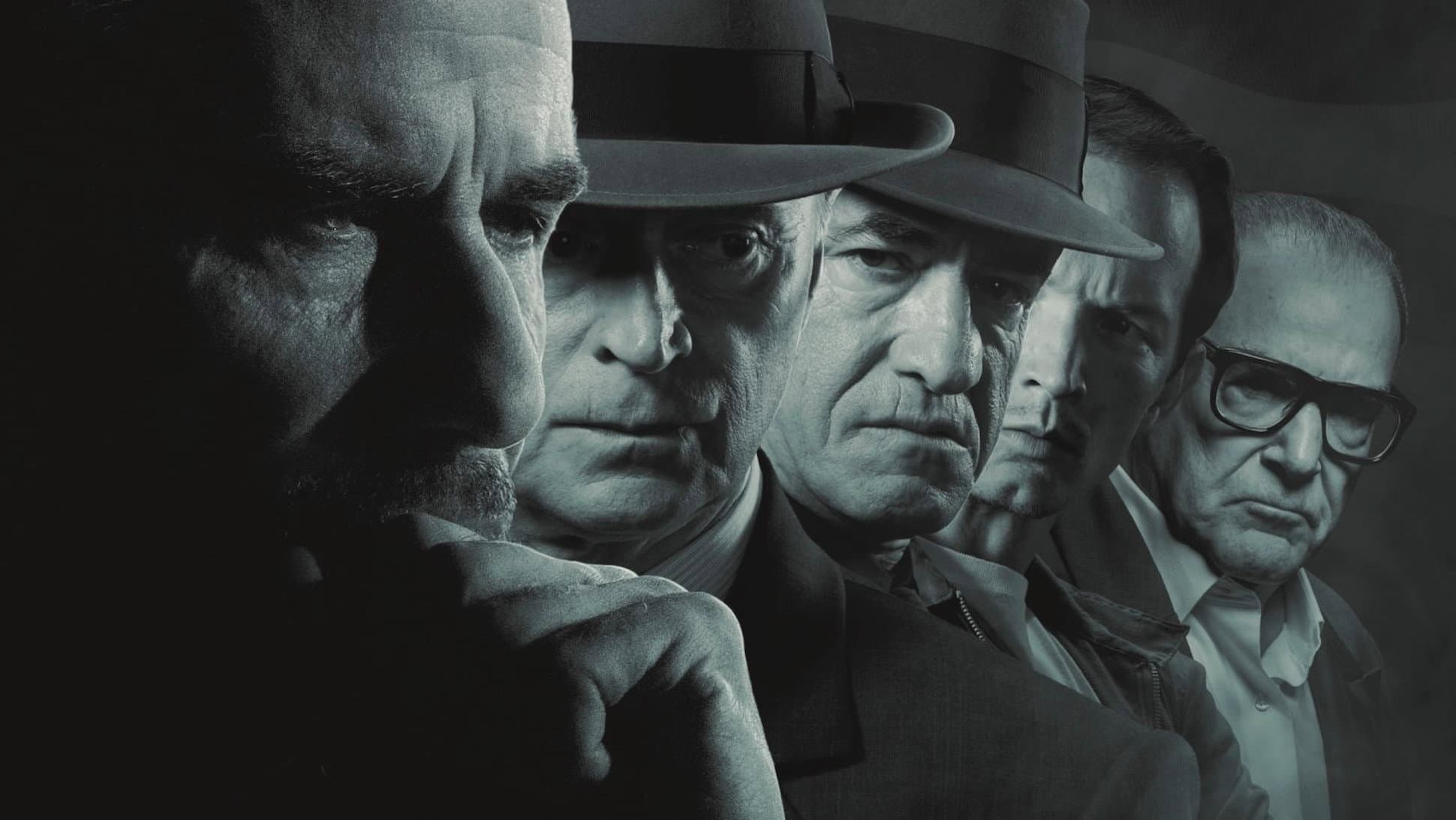
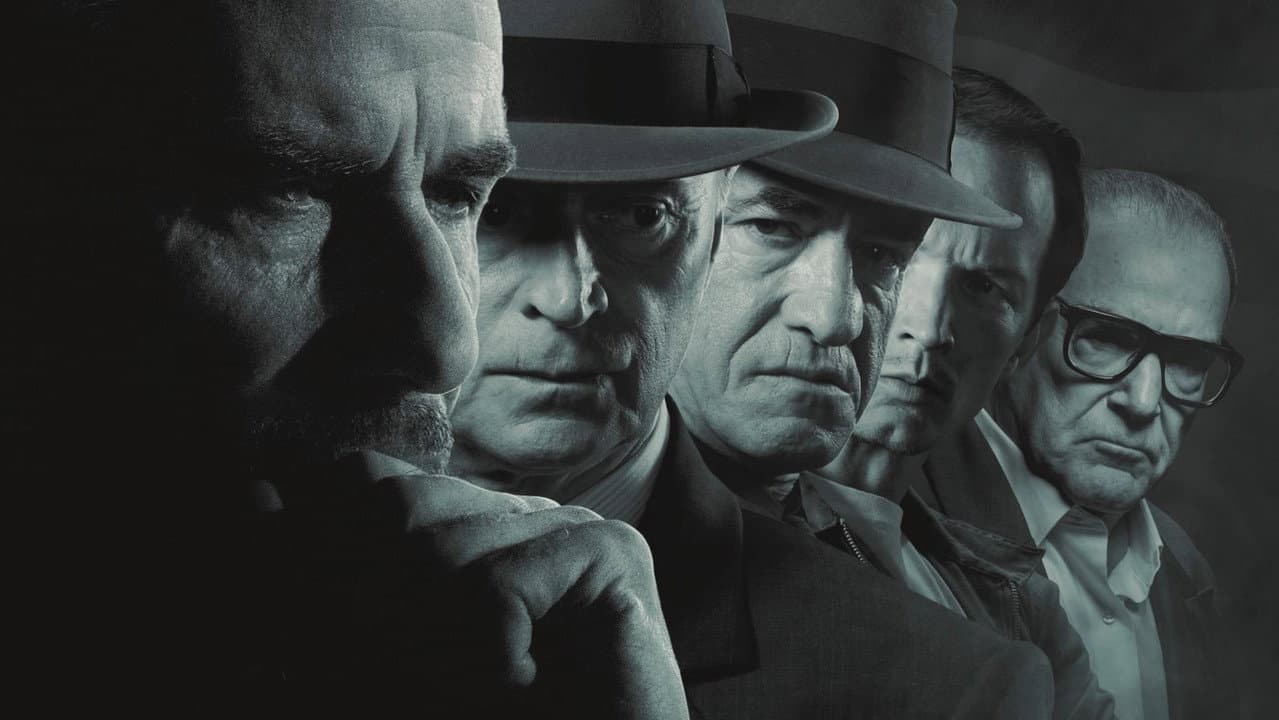
Travolta leads a large ensemble cast in "November 1963." Robert Carlyle plays Jack Ruby, Dermot Mulroney appears as Chuckie Nicoletti, and Jefferson White takes the role of Lee Harvey Oswald. Mandy Patinkin portrays Anthony Accardo, Thomas Fiscella plays Sam Giancana, Neil Jackson is Tippian, and Victoria Baldesarra rounds out the cast as Kandy Barr.
For Travolta, the part of Roselli joins a long list of screen criminals and antiheroes, but his remarks suggest this one landed differently. His description of encountering the man's image as a revelation - the devil, in his words - points to how much of the performance rests on conveying quiet, unsettling power rather than overt menace.
A Director Known for Serious Historical Drama
Joffé, who directed "November 1963," built his reputation on weighty historical material, and the film's mob-and-politics premise fits that profile. The picture places its central conspiracy within a meticulously detailed reconstruction of the early 1960s, moving between the Kennedy White House, the corridors of the Justice Department and the criminal underworld that the film says helped put Kennedy in office and later turned on him.
The subject matter remains one of the most contested chapters in American history, and the movie stakes out an unambiguous position. Rather than treating the assassination as an open question, "November 1963" presents the mob's involvement as fact and dramatizes the mechanics of the plot from inside the syndicate.
A Cold Reception So Far
Audience reaction, as reflected in the TMDb score, has been lukewarm. A rating of 5.75 suggests a divided response rather than a clear embrace, and the film's mixture of star power and inflammatory subject matter has yet to translate into broad enthusiasm among viewers who have logged their opinions.
That may matter less to the film's supporters than the chance to revisit a defining national trauma through a specific and provocative lens. For Travolta, the experience of embodying Roselli clearly left its mark. His account of studying the mobster and recognizing something diabolical in him is, in its way, an argument for the film's approach: that these figures were not abstract historical names but human beings capable of terrible decisions, and that playing one of them can be a confrontation as much as a performance.
"November 1963" is now playing in theaters.
Source: Variety