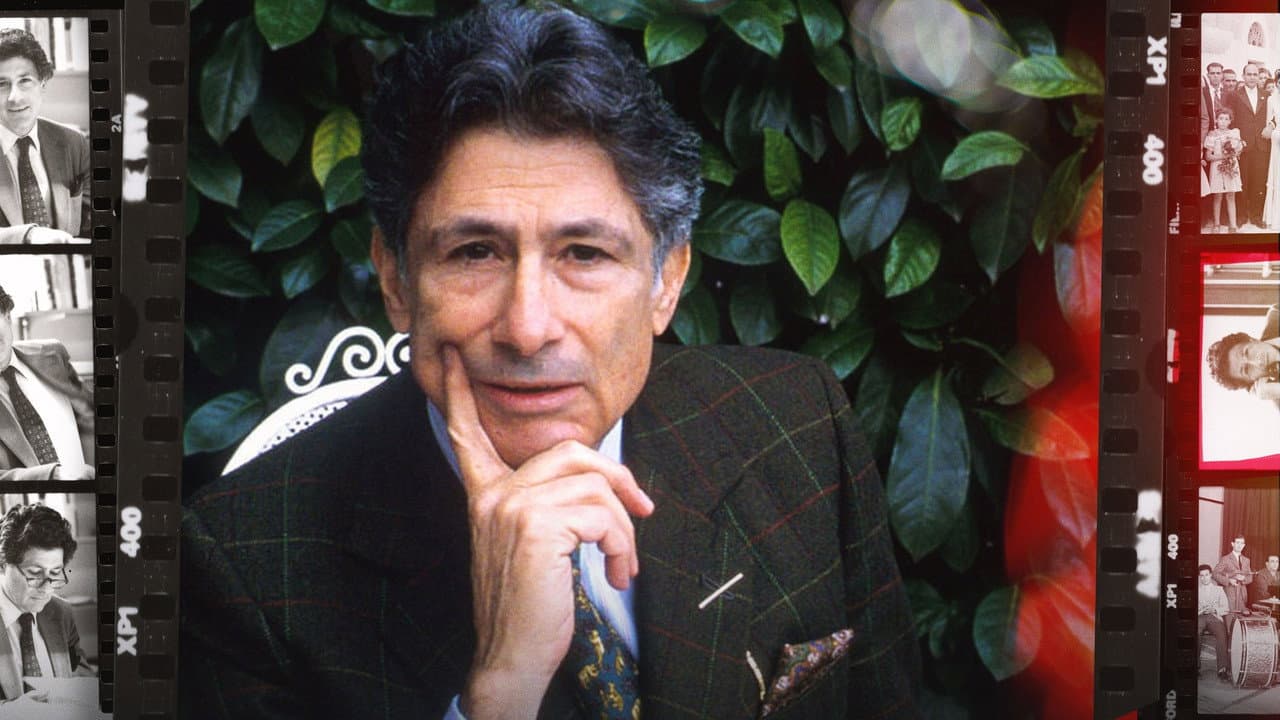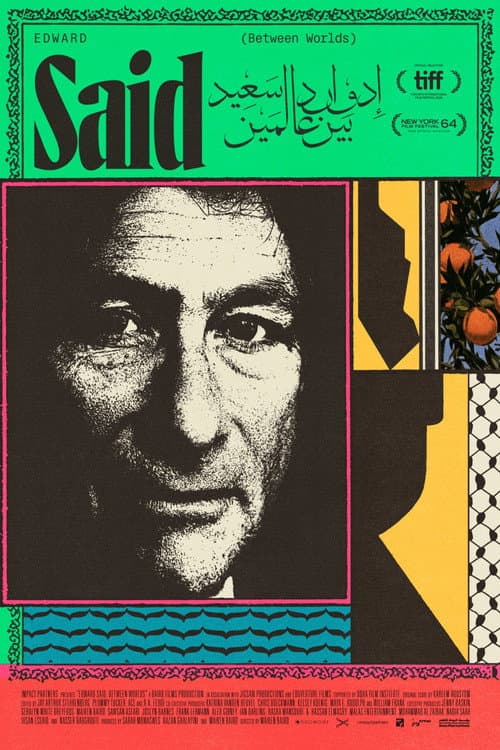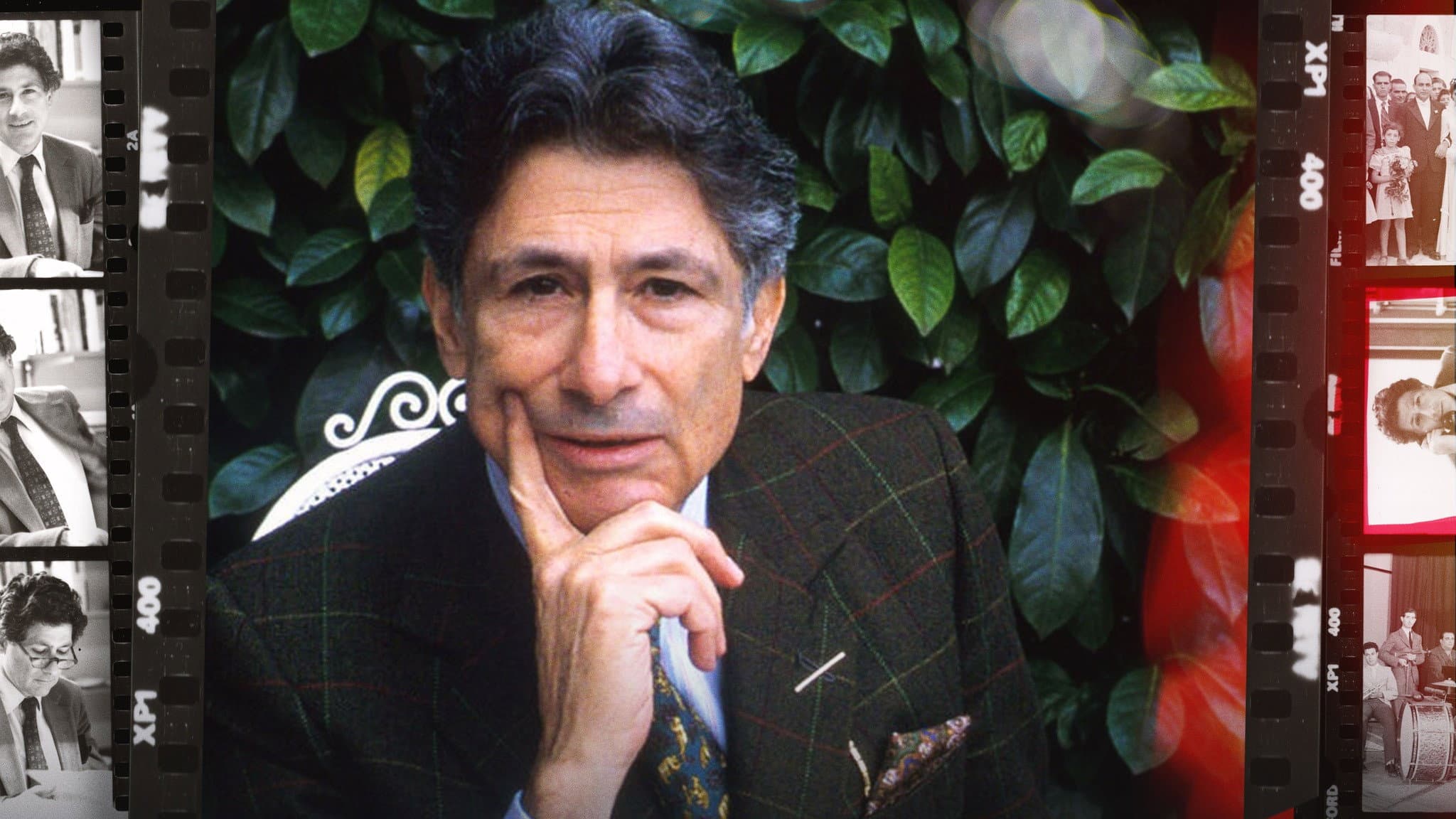
Kino Lorber has acquired U.S. rights to "Edward Said: Between Worlds," Maiken Baird's all-archival documentary about the Palestinian-American intellectual, the distributor announced Monday. The deal, which USA Film News has confirmed, hands the New York-based label domestic theatrical and home-entertainment rights to a film that has drawn strong notices on the festival circuit and now heads toward a stateside rollout.
The 107-minute documentary, which first screened on September 12, 2026, traces Said's life and thought entirely through archival material, with no fresh interviews or reenactments. The approach lets Said, who died in 2003, speak in his own recorded voice across decades of lectures, broadcast appearances and home footage, a method Baird has said was central to the project from its earliest stages.
"Edward Said: Between Worlds" arrives with an unusual split in its public reception data: IMDb users have rated it 8.2 out of 10, while TMDb currently logs a 0/10 rating, a figure that generally reflects an absence of logged votes rather than critical judgment. Kino Lorber has not announced a specific U.S. release date or the number of theaters it plans to target.
A Life Spent Crossing Borders
Said's biography resists easy summary, and the film's title points to the tension at its center. Born in Jerusalem in 1935 and raised largely in Cairo, he came to the United States for his education and spent most of his academic career at Columbia University, where he taught comparative literature for four decades. His 1978 book "Orientalism" reshaped how scholars in several fields approached the study of the Middle East and remains among the most cited works of criticism published in the postwar era.
He was also, for much of his adult life, a prominent and polarizing voice on Palestinian politics, serving on the Palestine National Council while frequently breaking with its leadership. He wrote about music with the same seriousness he brought to literature, collaborating with Daniel Barenboim on a series of lectures and on the West-Eastern Divan Orchestra, the ensemble the conductor founded with him in the 1990s. Diagnosed with leukemia in 1991, Said continued teaching and writing until his death in New York at 67.
That range, from literary theory to piano criticism to political polemic, is the terrain the documentary is said to cover. Its exclusivity status as a project has been closely held, and Kino Lorber's announcement did not detail which archives the filmmakers drew from or whether the Said estate cooperated. Baird is credited as director.
Kino Lorber's Documentary Track Record
For Kino Lorber, the pickup continues a pattern of acquiring nonfiction work with literary and intellectual subjects for the U.S. market. The company has built a reputation for handling documentaries and restored classics that might struggle in a crowded commercial field, leaning on art-house theatrical runs and physical-media editions to reach audiences. A documentary about a literary critic, even one as publicly visible as Said, fits that profile.
The absence of a formal U.S. release plan leaves open whether Kino Lorber will pursue an awards-qualifying run this season or position the film for a broader spring launch. The September festival bow, roughly two months before Monday's deal, is a typical interval for a title that screens for buyers and critics before locking distribution.
What Comes Next
With the acquisition signed, attention turns to how Kino Lorber will frame the film for American audiences, many of whom know Said's name from "Orientalism" without knowing the contours of his personal history. The archival construction means the documentary carries no talking heads to contextualize its subject, placing the burden of narration on Said's own recorded words and on the editing choices that assemble them.
A theatrical date, a trailer and any festival encore screenings are expected to follow in the coming weeks, though the distributor has not committed to a timeline. For now, the deal marks the latest chapter in a slow, steady afterlife for Said's ideas, and a bet by Kino Lorber that a portrait built entirely from the past can still find a paying audience in the present.
Source: The Hollywood Reporter