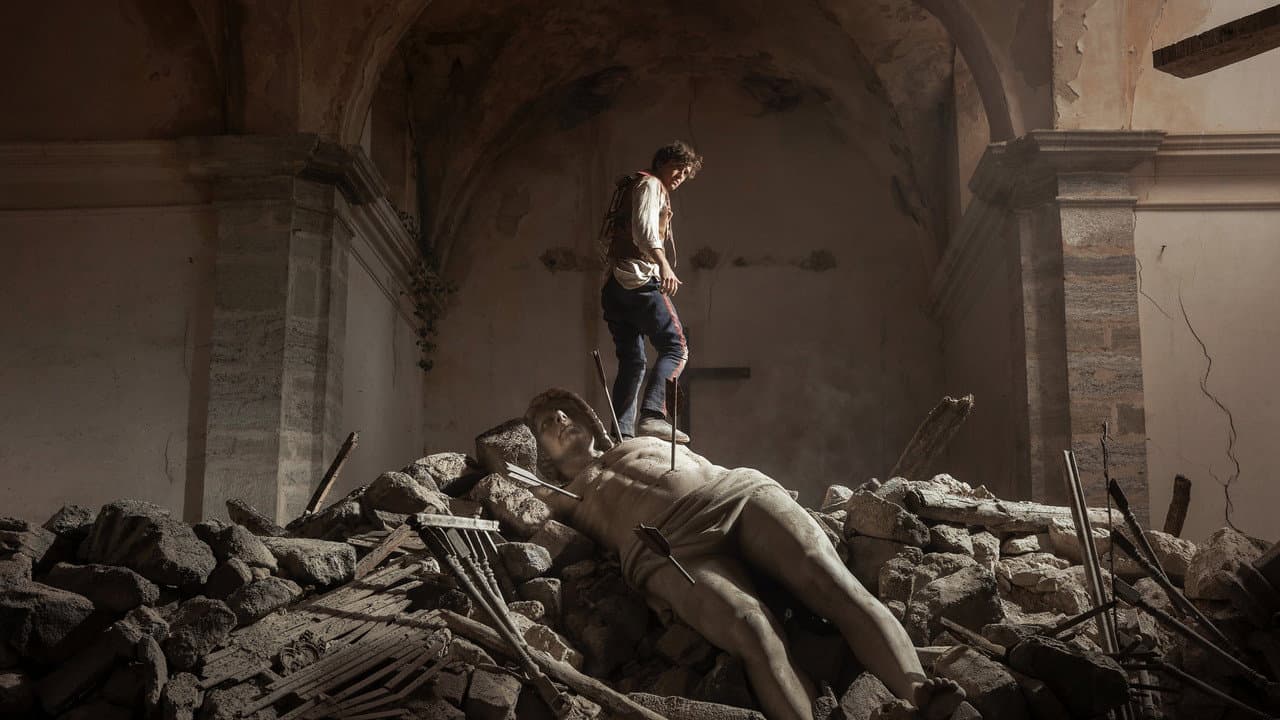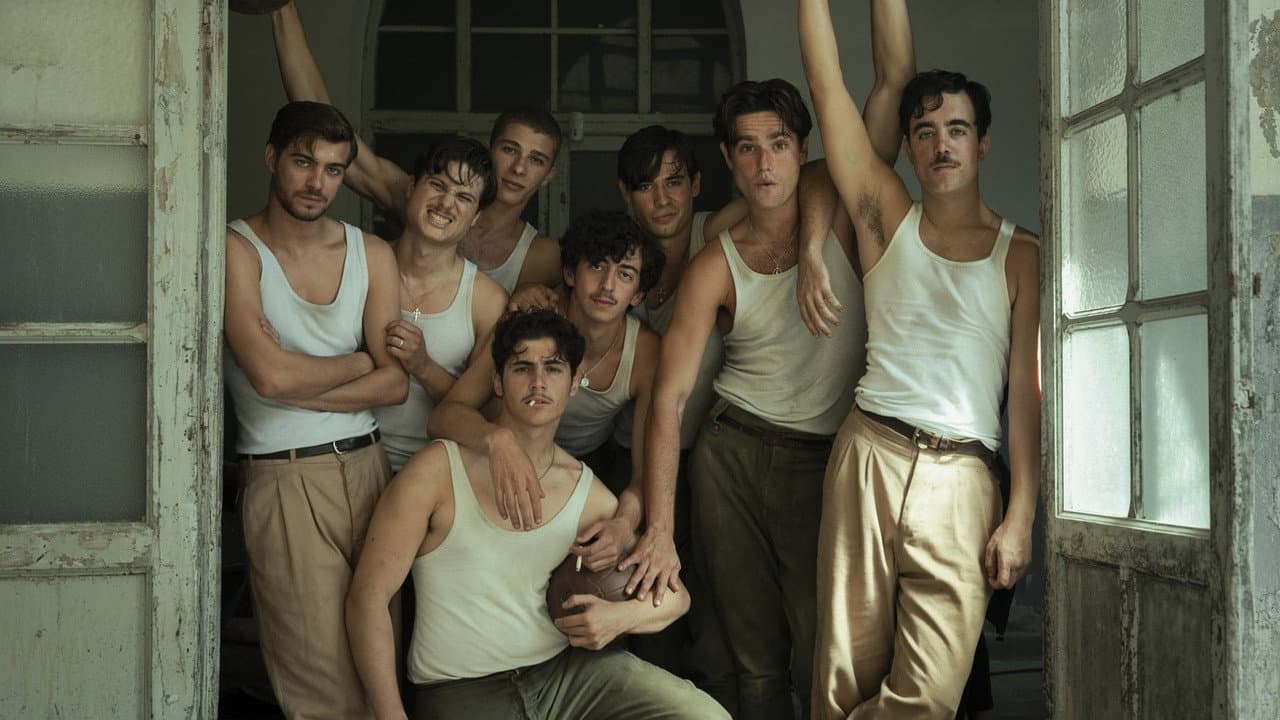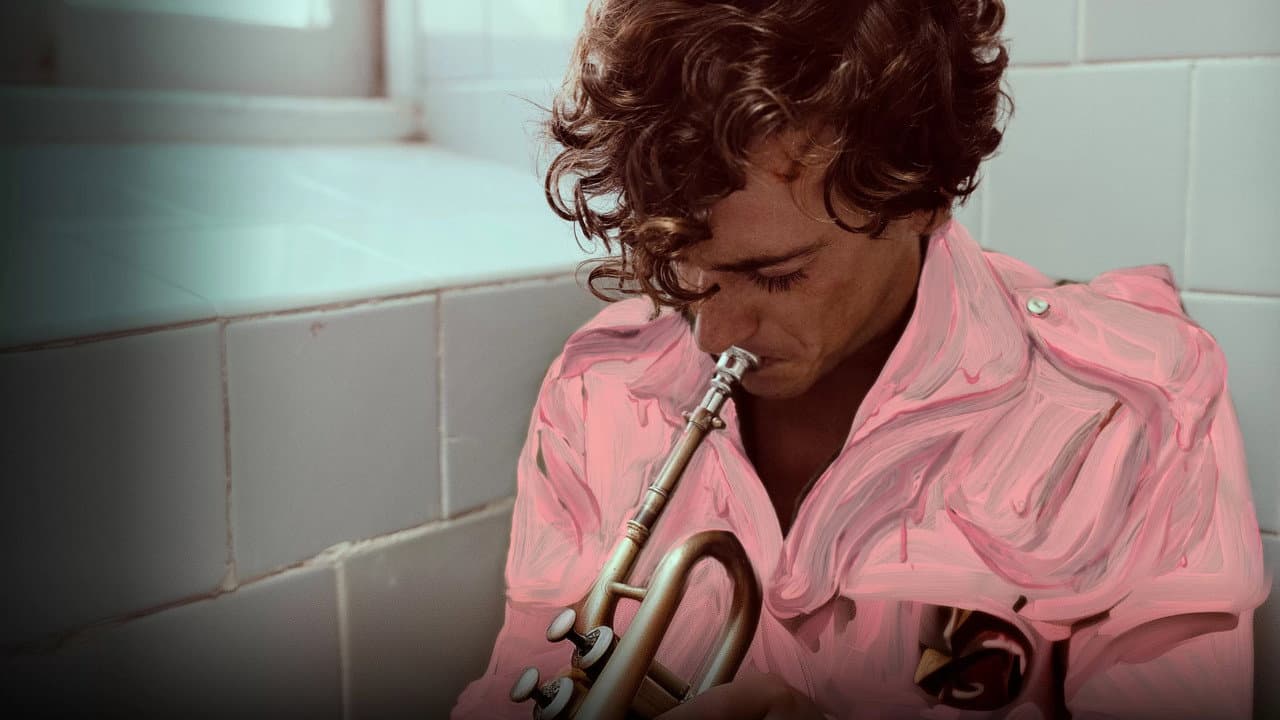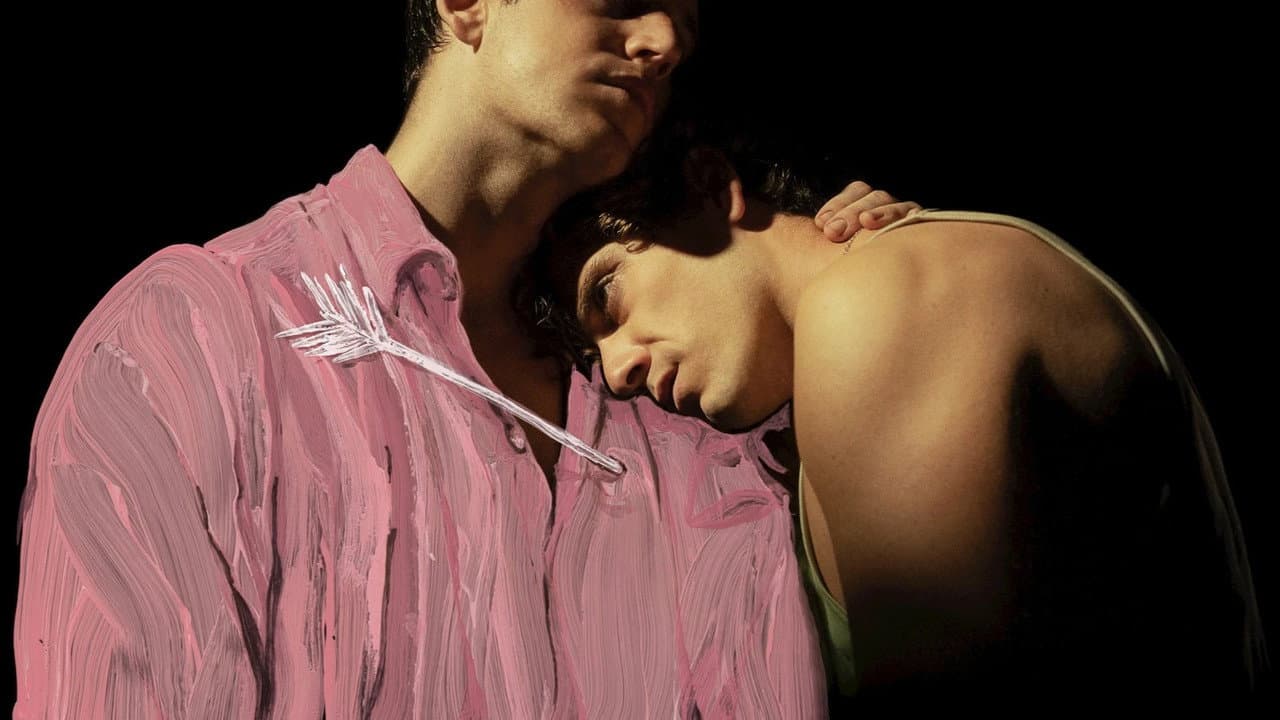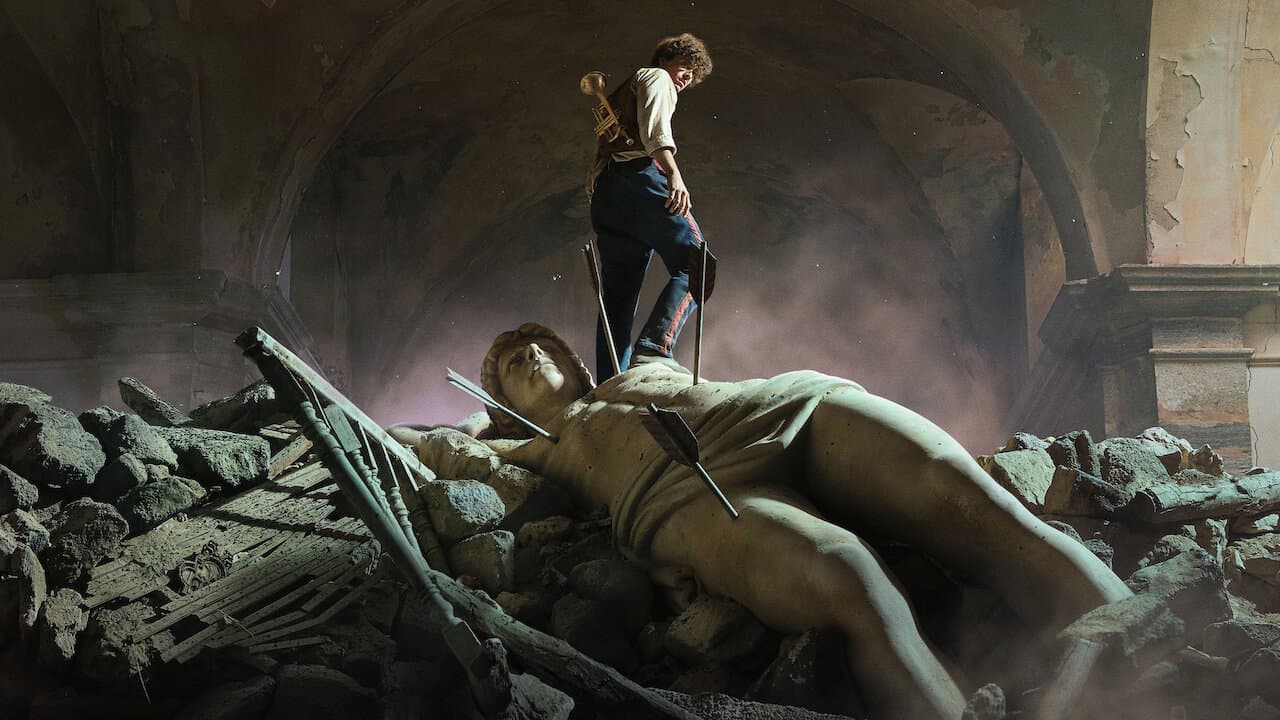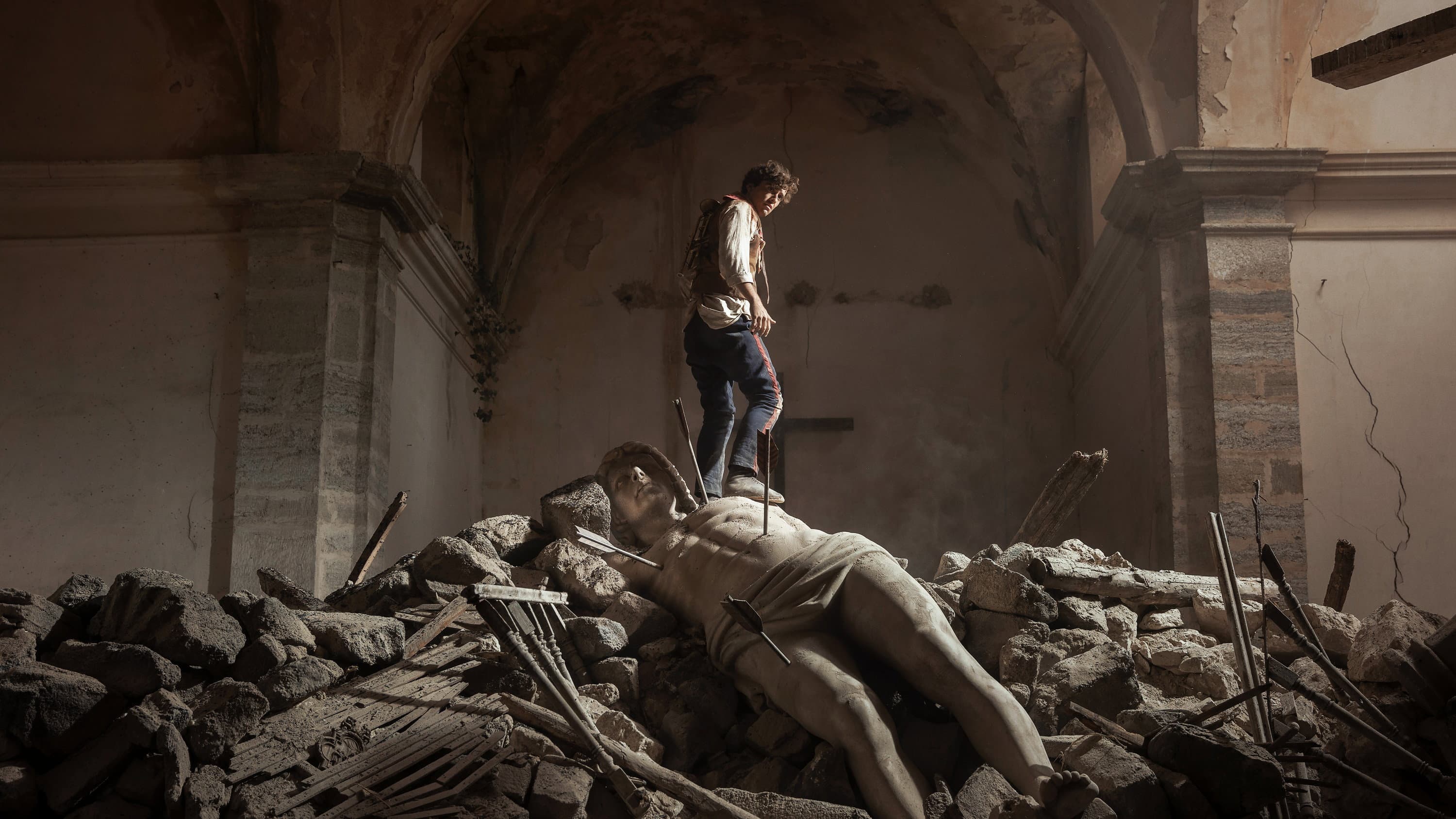
With the 2026 awards season now in full swing, one of the most closely watched below-the-line races is taking shape around Javier Ambrossi's "La Bola Negra," a Spanish-language period drama whose costume work spans three separate decades and could give the Academy its most ambitious design showcase of the year. The film, released on September 25, 2026, has drawn strong notices from audiences and critics alike, currently sitting at 8/10 on TMDb and 7/10 on IMDb, and awards watchers say the wardrobe department's feat of dressing three distinct eras is exactly the kind of achievement voters in the Costume Design branch have historically rewarded.
"La Bola Negra" runs 159 minutes and follows the intertwined lives of three men across three different eras - lives bound together by sexuality and desire, by pain, and by legacy. That structure gives the film's designers an unusually wide canvas: three timelines, each requiring its own silhouette, fabric vocabulary and social register, all while maintaining visual continuity across a single narrative. Costume branches tend to favor films where clothing does narrative work rather than merely decorating a scene, and this premise appears built for that kind of scrutiny.
Three Eras, One Wardrobe Narrative
The film's genre positioning - drama with war elements - suggests at least one of its eras unfolds against a period of conflict, a setting that traditionally demands meticulous attention to uniforms, civilian dress under scarcity, and the worn textures of daily life in wartime. The other eras, by contrast, presumably call for more polished period dressing, and the contrast between them is precisely what awards strategists believe can set a costume campaign apart. Voters respond to range, and a single film that moves its cast through three fully realized worlds offers that range in a way few competitors can match.
Ambrossi, best known for his work in Spanish-language film and television, directs a cast that mixes emerging talent with established international names. Guitarricadelafuente plays Sebastián, Miguel Bernardeau plays Rafael, Carlos González plays Alberto, and Milo Quifes plays Carlos - the four men whose lives anchor the film's interlocking structure. Lola Dueñas appears as Teresa, while Penélope Cruz plays Nené Romero and Glenn Close plays Isabelle Durand, two roles that costume watchers will be studying closely. Julio Torres rounds out the principal cast as Juan Pablo. The presence of Cruz and Close, both of whom have long histories of awards-season visibility, gives the film's design campaign recognizable faces around which to build its narrative.
The Competition and the Campaign Ahead
Costume Design is a branch that rewards both spectacle and intimacy, and pundits expect this year's field to include the usual mix of fantasy epics and finely observed period pieces. "La Bola Negra" occupies a distinctive middle ground: it is a serious drama with war elements rather than a blockbuster, but its three-era structure gives it a visual scope that smaller period films often lack. The film's Hollywood backing and international cast could help it stay visible through the long months of guild screenings and precursor awards that shape the final nominee list.
For now, the film's ratings suggest a warm reception rather than a phenomenon, which means any costume nomination will likely depend on how effectively the campaign frames the wardrobe as essential storytelling. Strategists point out that voters in this category frequently cite films where a character's clothing evolves alongside their circumstances, and a narrative about desire, pain and legacy across generations would seem to offer exactly that opportunity. Whether the Academy embraces all three eras - or sees them as one cohesive achievement - may be the central question of this particular race.
The film remains in theaters and on the awards circuit conversation as voters begin their screening season. "La Bola Negra" is a Spanish-language drama from Hollywood, directed by Javier Ambrossi, with a runtime of 159 minutes.
Source: Variety