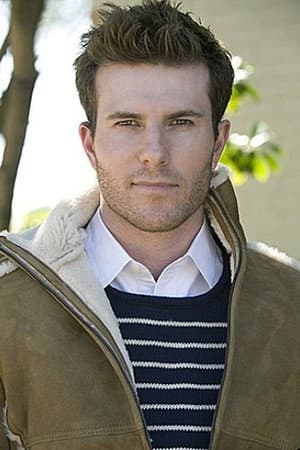
Lance Broadway, the former professional baseball pitcher who later carved out a second career as a character actor with a memorable turn in the action thriller "Olympus Has Fallen," has died at 43. News of his death circulated Thursday, drawing tributes from former teammates and a small circle of filmmakers who had cast him in supporting roles after his athletic career ended. A cause of death was not immediately disclosed.
Broadway's path to Hollywood ran through the minor leagues, an unusual detour that gave him a late start in an industry that prizes youth. He threw professionally for several seasons before injuries and roster moves closed the door on his playing days. Rather than leave sports entirely, he drifted toward the camera, taking small roles that leaned on his physical presence and the easy authority he had learned on a pitcher's mound. That quality, directors said, made him a natural fit for soldiers, agents and security personnel.
A Brief but Memorable Screen Presence
His most widely seen part came in "Olympus Has Fallen," the 2013 White House siege picture starring Gerard Butler. Broadway appeared in a supporting role among the film's large ensemble, and although his screen time was limited, the film's broad audience brought him a level of recognition he had not enjoyed as a ballplayer. He followed it with scattered television appearances and independent features, working steadily if not spectacularly.
Those who worked with him described a performer who treated a two-line part with the same preparation he once gave a starting assignment. He was known to arrive early, stay late and ask questions about blocking and camera placement that veteran crew members found endearing rather than tiresome. Casting directors who knew his background often brought him in for roles that required a believable physicality, and he rarely turned them down.
"It was never about the size of the part for Lance," said one producer who worked with him on a lower-budget action film, speaking on condition of anonymity because the family had not yet issued a formal statement. "He wanted to be useful on set. He understood that a movie is a group effort in a way that a lot of actors never quite grasp."
From the Mound to the Soundstage
Broadway's transition from athletics to acting was gradual and, by his own account in later interviews, humbling. He took classes, auditioned for student films and accepted unpaid work to build a reel. The discipline that had once governed his training regimen carried over into a new craft, though the results came more slowly than he had hoped. He was candid about the frustration of starting over in his thirties, and equally candid about the satisfaction of landing a role on his own merits rather than on the strength of his name.
Former teammates remembered him as a competitor who kept clubhouses loose, and several took to social media to express shock at the news. One described him as "the same guy in a Hollywood green room that he was in a minor league bus," a remark that captured the unpretentious streak friends said he never shed.
A Quiet Legacy
Broadway never became a household name, and he seemed at peace with that. In a rare interview a few years ago, he described acting as a second act he had not planned but had come to love, and he spoke warmly of the craftspeople and bit players who make large films function. It is a sentiment that now reads as something of a professional epitaph: a man who understood that the spotlight is not the only place where meaningful work gets done.
He is survived by family and a wide network of friends across two very different professions, each of which will remember him for the same qualities - steadiness, good humor and a willingness to show up.
Funeral arrangements were not immediately announced.
Source: The Hollywood Reporter