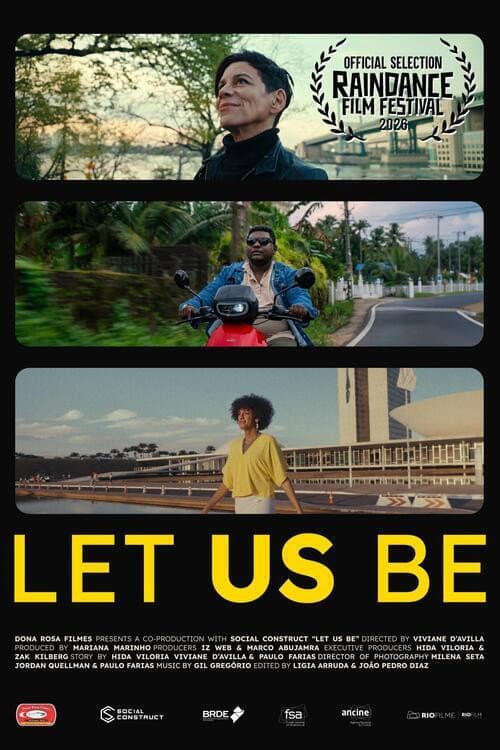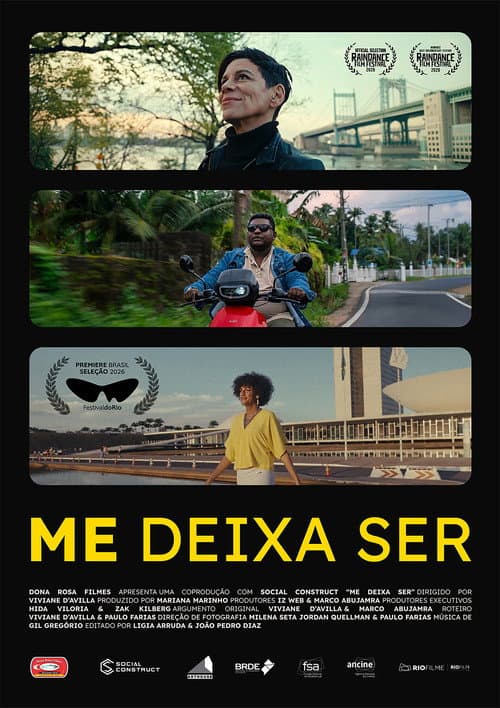
Off The Fence, the production and distribution outfit whose credits include the Oscar-winning documentary “My Octopus Teacher,” has come aboard “Let Us Be,” the new documentary from director Viviane D’Avilla, USA Film News has learned exclusively. The company is backing the project as it heads toward its showcase at the Rio Film Festival, giving the film a significant boost at a pivotal moment in its rollout.
The 89-minute documentary, completed and released earlier this year on June 20, 2026, takes an intimate look at the lives of intersex people - those born with sex anatomy that does not fit typical male or female definitions - across India, Brazil, and the United States. Through a series of personal stories, D’Avilla’s film examines the continuing human rights fight against non-consensual surgeries performed on intersex children, while also challenging the rigid binaries that shape how sex and gender are commonly understood.
According to the film’s official description, “Let Us Be” invites viewers to rethink the norms imposed on bodies and identities, offering a meditation on autonomy, dignity, and the beauty of human diversity.
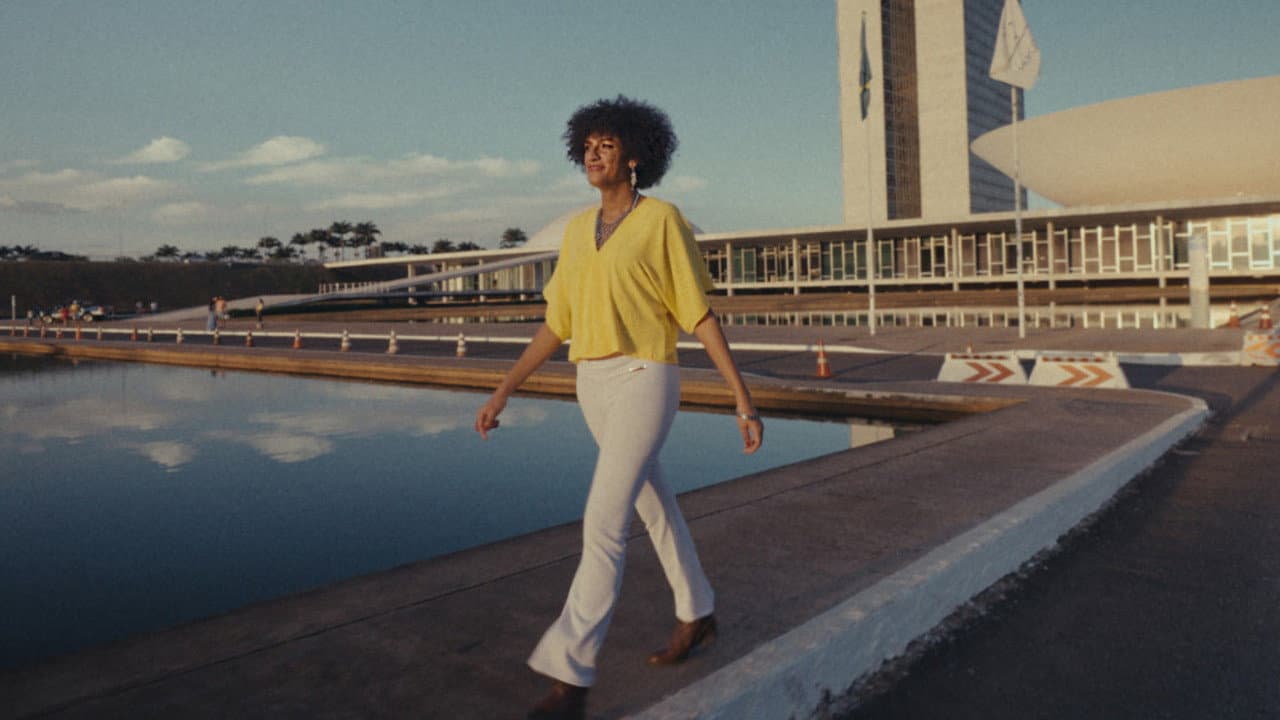
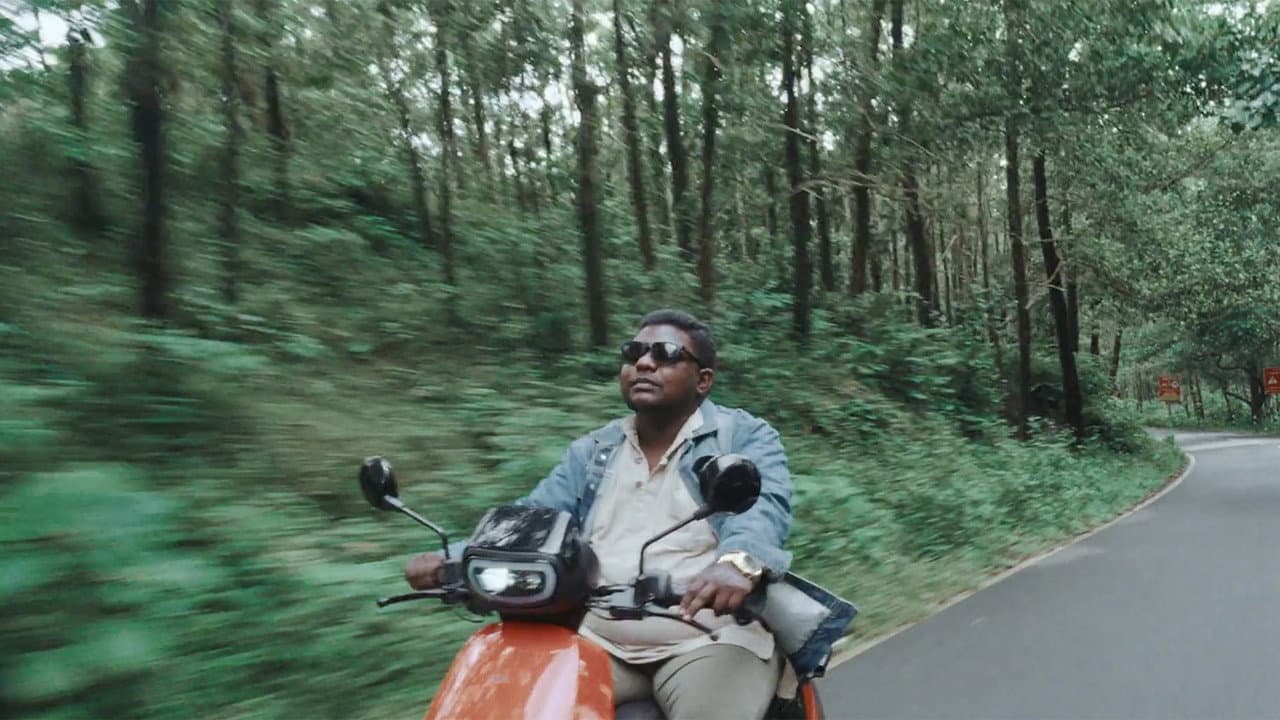
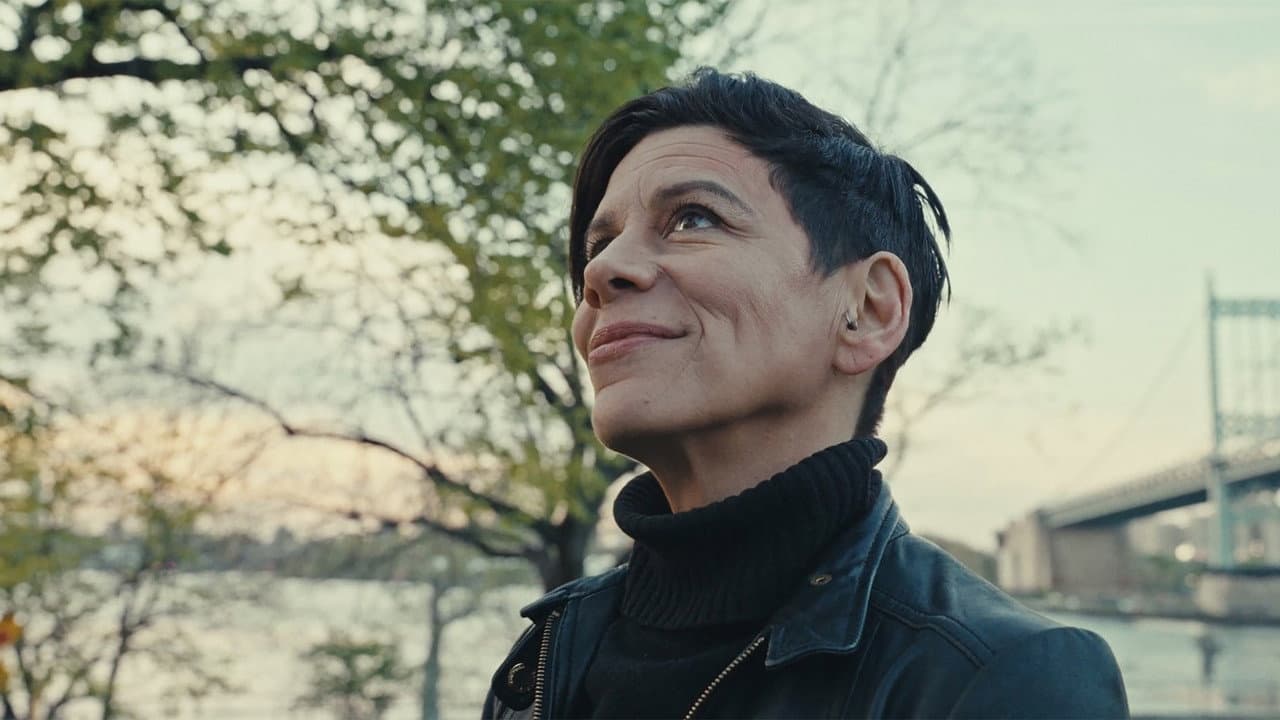
The documentary’s ensemble includes Hida Viloria, Carolina Iara, Aanandh Rajappan, Lyss Ball, and Tiger Devore, figures drawn from intersex advocacy and community circles. Their participation underscores the film’s commitment to centering first-person experience over outside commentary, a strategy that has become a hallmark of the most acclaimed nonfiction work of recent years.
D’Avilla directs from a position of long engagement with the subject. The project’s three-country scope allows it to trace how medical protocols, legal frameworks, and cultural attitudes toward intersex bodies diverge across South America, South Asia, and North America - and where they uncomfortably converge.
Off The Fence’s Documentary Pedigree
The involvement of Off The Fence carries particular weight in the documentary space. The company is best known for “My Octopus Teacher,” the 2020 film that went on to win the Academy Award for Best Documentary Feature and became a global streaming phenomenon. That track record gives “Let Us Be” a level of institutional support that independent issue-driven documentaries rarely secure before a major festival berth.
For a film operating on a human rights front, that backing matters beyond financing. It can translate into distribution reach, festival strategy, and the kind of visibility that helps a documentary move from the niche advocacy circuit into broader public conversation.
The timing of the announcement, arriving just ahead of the Rio Film Festival, positions the documentary for a high-profile moment in a market that is directly relevant to its subject matter. Brazil is one of the three countries profiled in the film, and Rio offers a natural platform to amplify its Brazilian strand alongside its Indian and American threads.
A Growing International Conversation
“Let Us Be” arrives as intersex rights have gained increasing attention from international human rights bodies, which have repeatedly called for an end to medically unnecessary procedures on intersex children. Advocates argue that such surgeries, often performed before a child can consent, can cause lasting physical and psychological harm. The film places those arguments within the lived experience of its subjects rather than treating them as abstract policy disputes.
The documentary’s English-language production places it within the Hollywood industry pipeline, and its global subject matter gives it a reach that extends well past any single national audience. With a runtime of 89 minutes, it is built for theatrical festival slots and streaming platforms alike.
“Let Us Be” has yet to register audience ratings on major aggregation platforms, a common position for documentaries still in the early stages of their festival and distribution life. Off The Fence’s entry into the project suggests that phase is about to accelerate.
For D’Avilla, the film represents a convergence of intimate portraiture and structural critique. By following intersex individuals across three continents, she constructs a portrait that is at once deeply personal and unmistakably political - one that asks audiences to reconsider assumptions they may not have known they were carrying.
With Off The Fence now on board and Rio on the horizon, “Let Us Be” is poised to bring that question to a far larger audience than it could have reached on its own.
Source: Variety